Digable Planets Let Joy Reign at The Arvada Center
July 13, 2025Photos: Billy Thieme
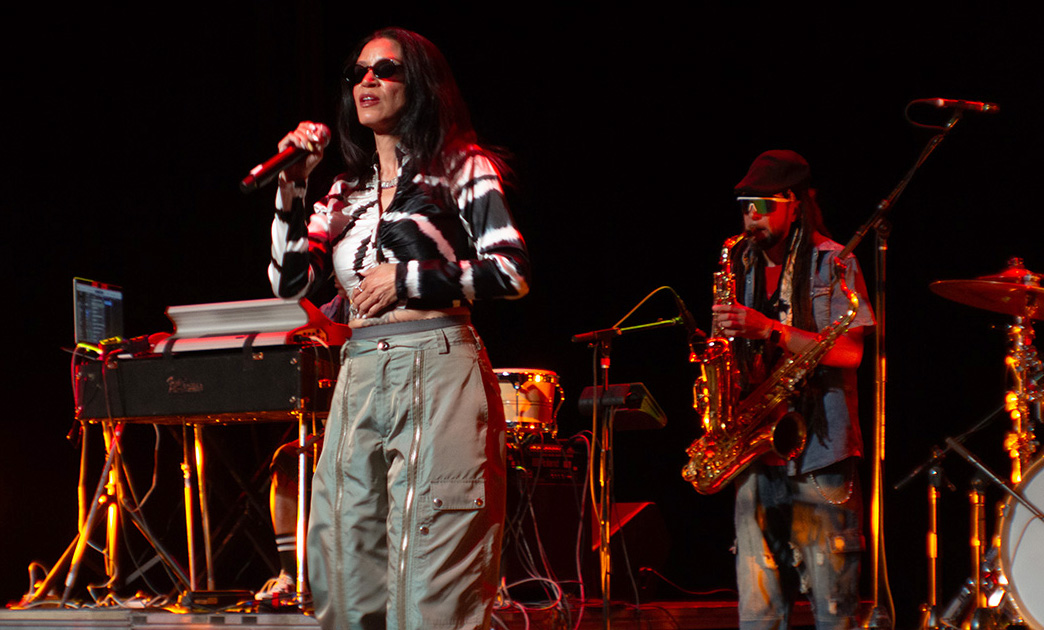
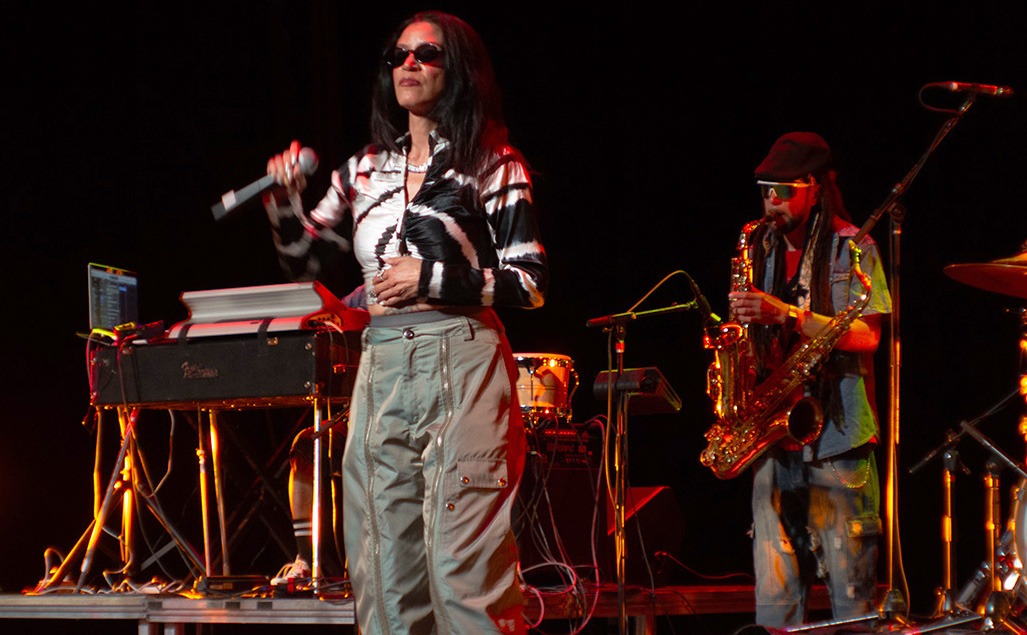
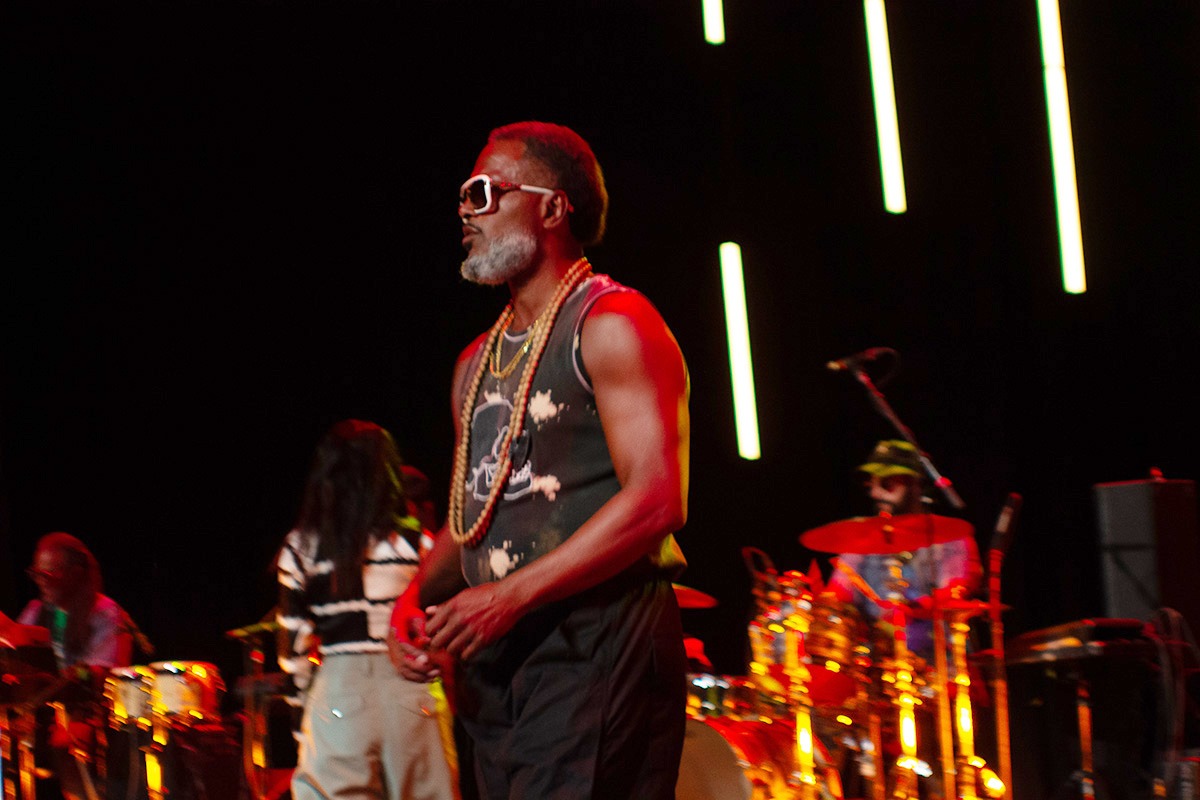
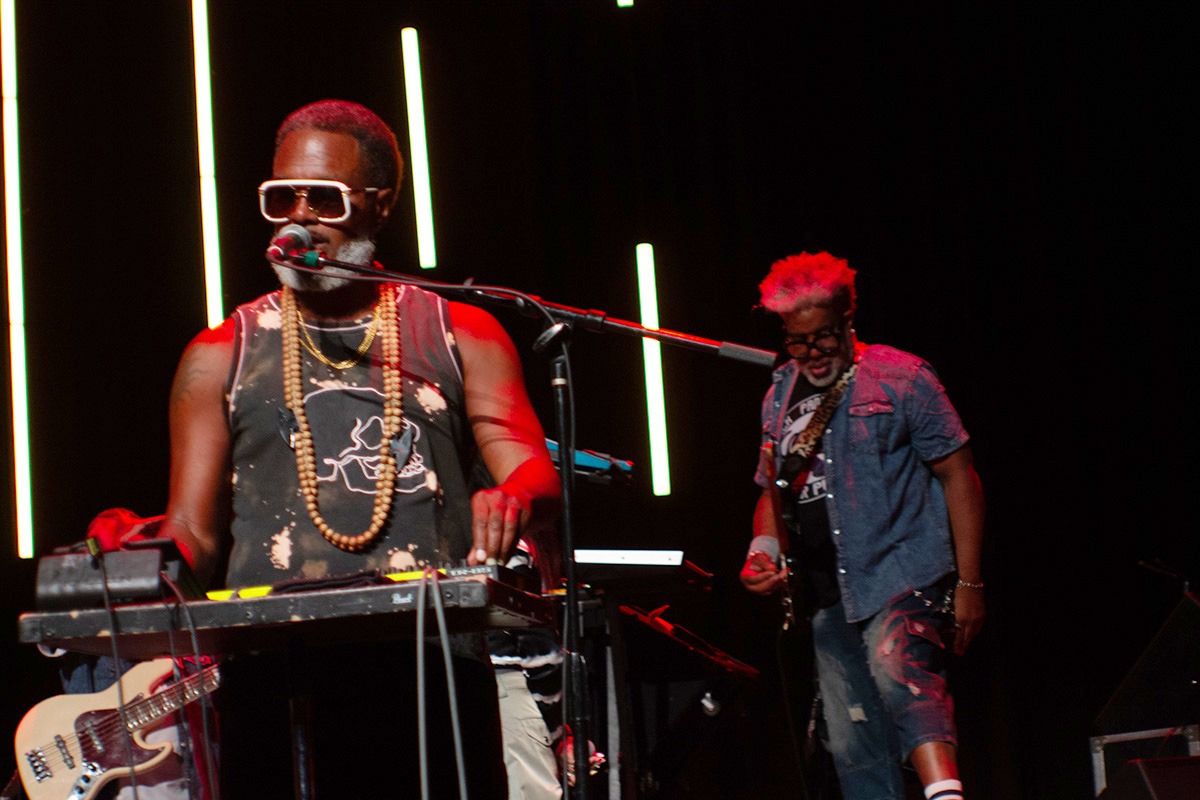
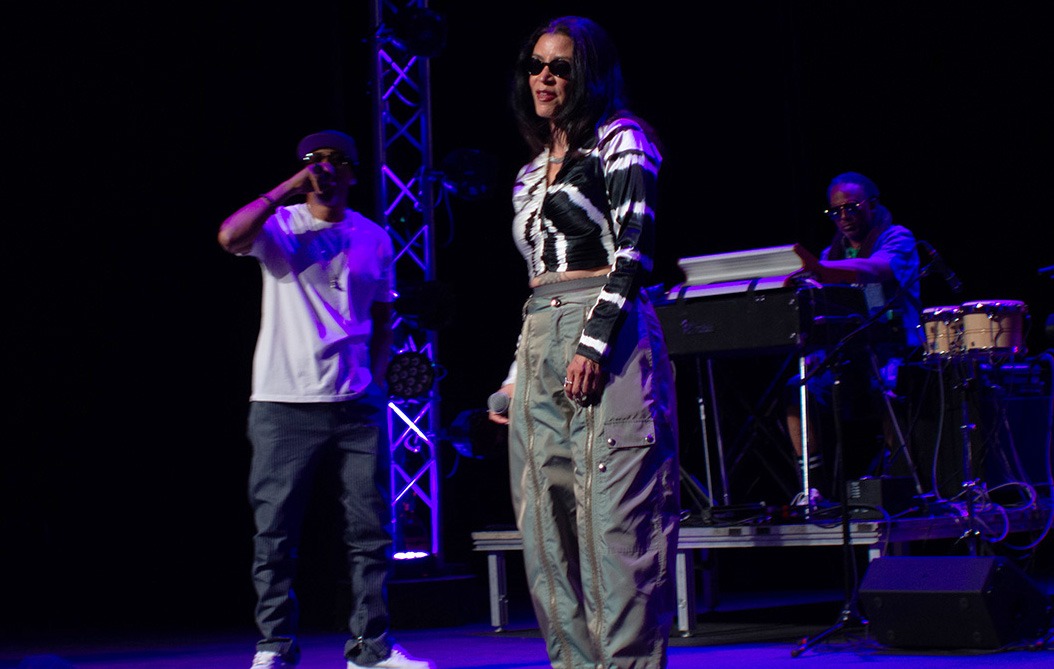
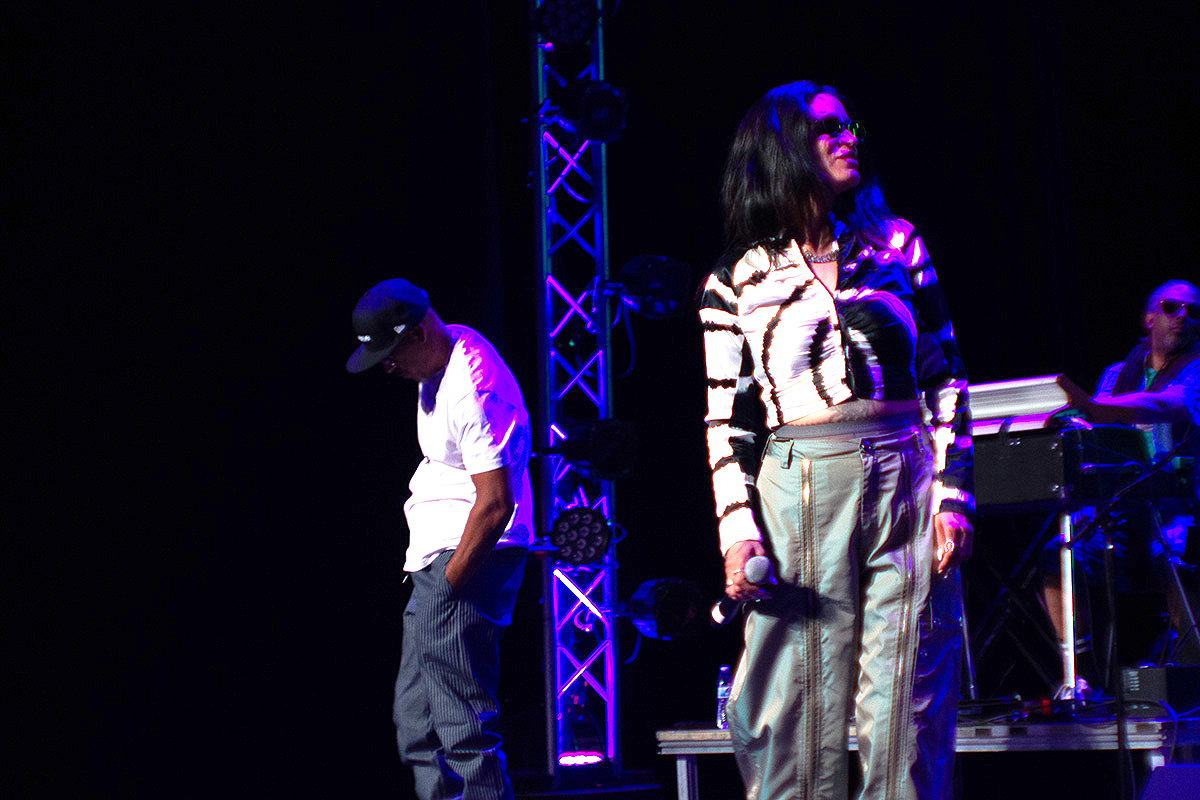
Digable Planets—Ladybug Mecca (Mary Ann Vieira), Butterfly (Ishmael Butler), and Doodlebug (Craig Irving)—took the outdoor stage at Arvada Center’s canopy‑topped amphitheater with an air of relaxed confidence last Wednesday night, in a cool, breezy evening that only got cooler as the trio and their band played. Decades into their career, their attitude was joyful, positive, cool, and assured, informing music that has always been grounded in jazz‑rap roots, but unburdened by nostalgia. They brought an uplifting message of unity and creativity, blending political awareness with playful wordplay. While their chemistry reflected years of friendship, their energy remained youthful—smoothly bridging generational gaps and making their 1990s material feel even more timeless.



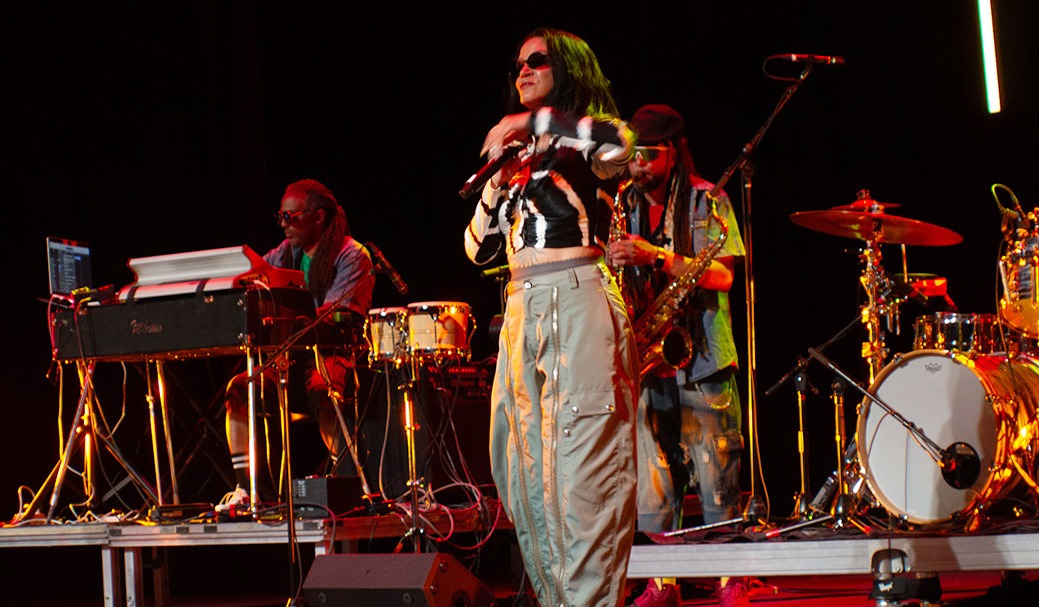
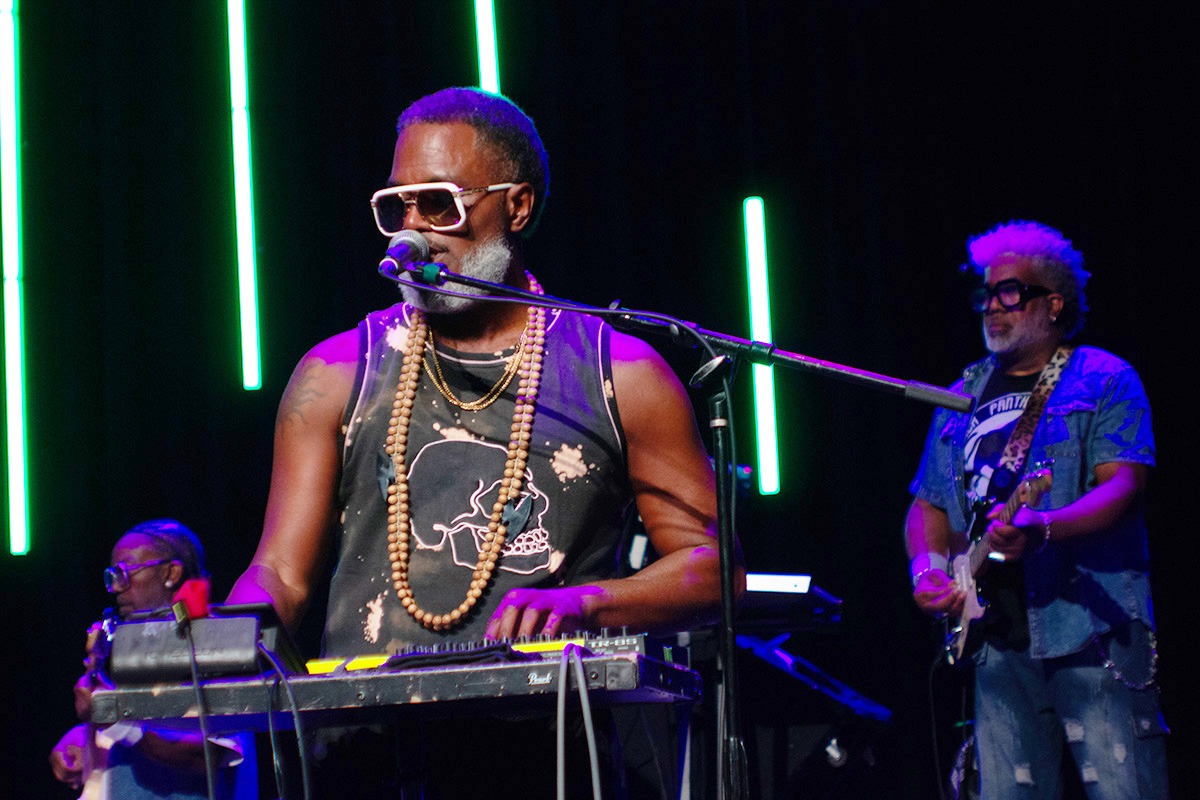
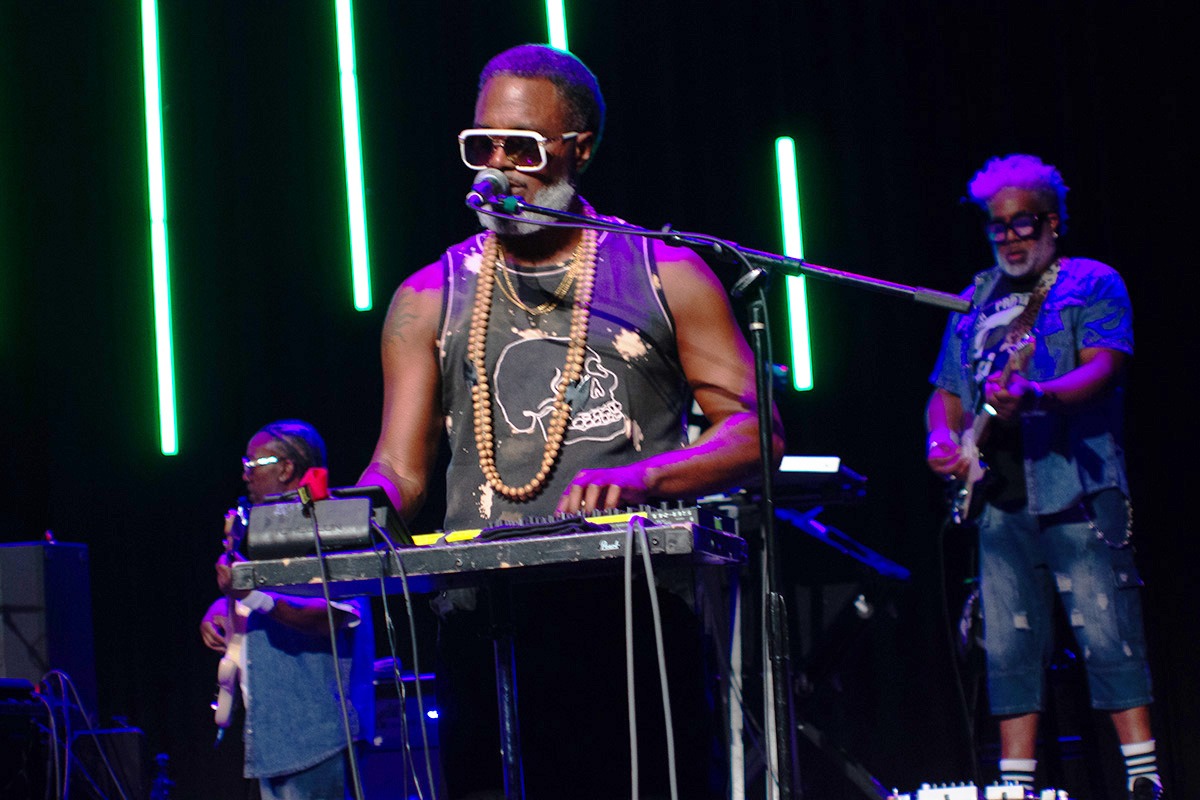
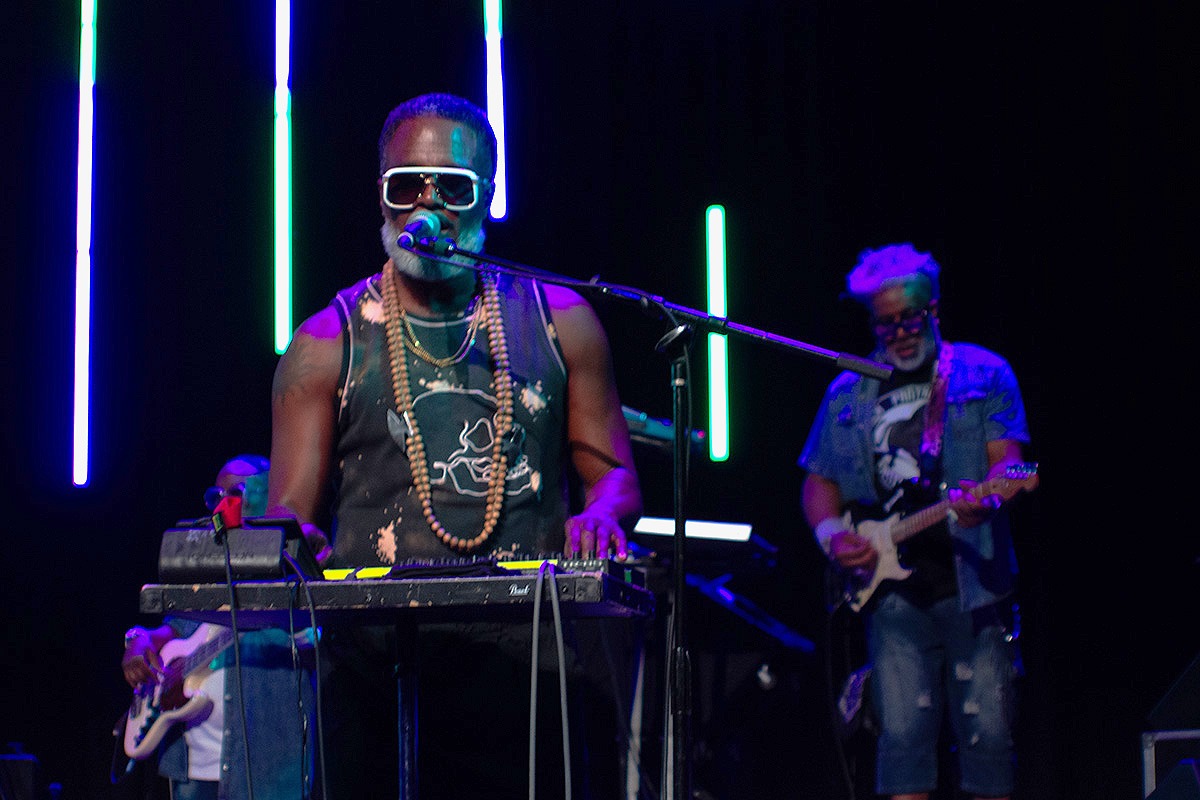
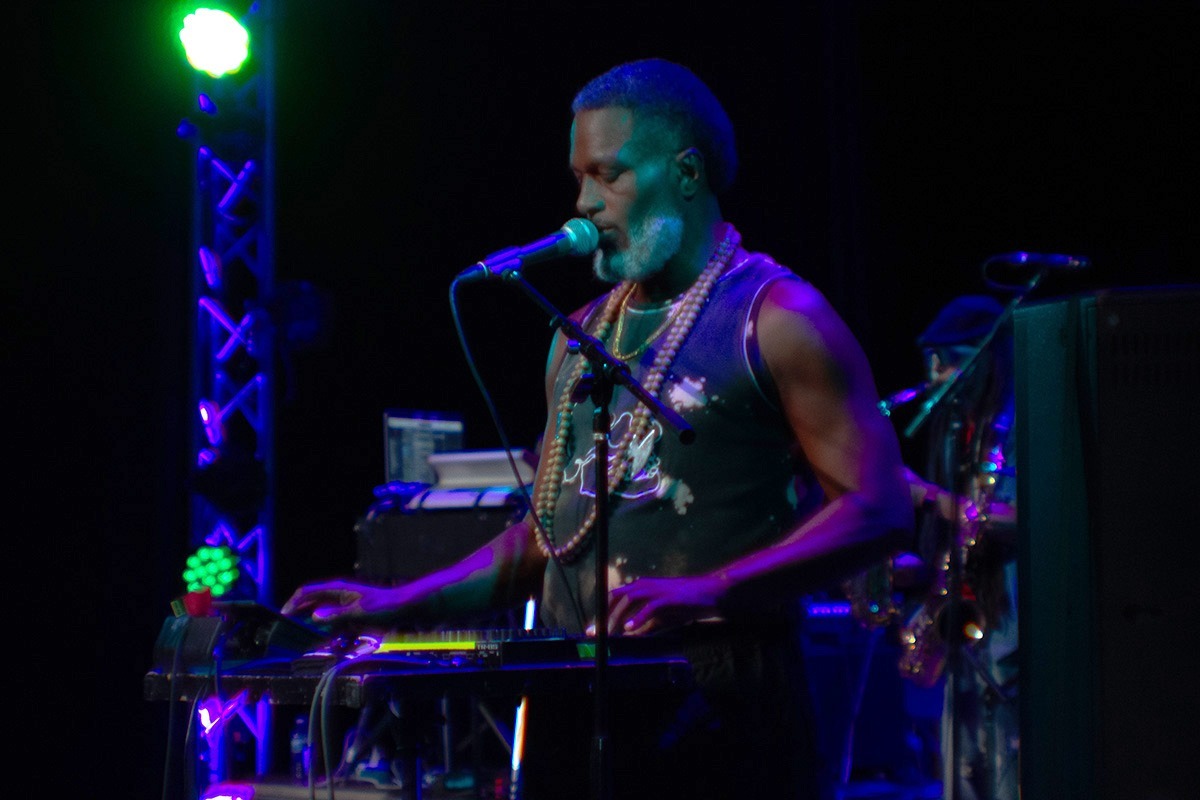
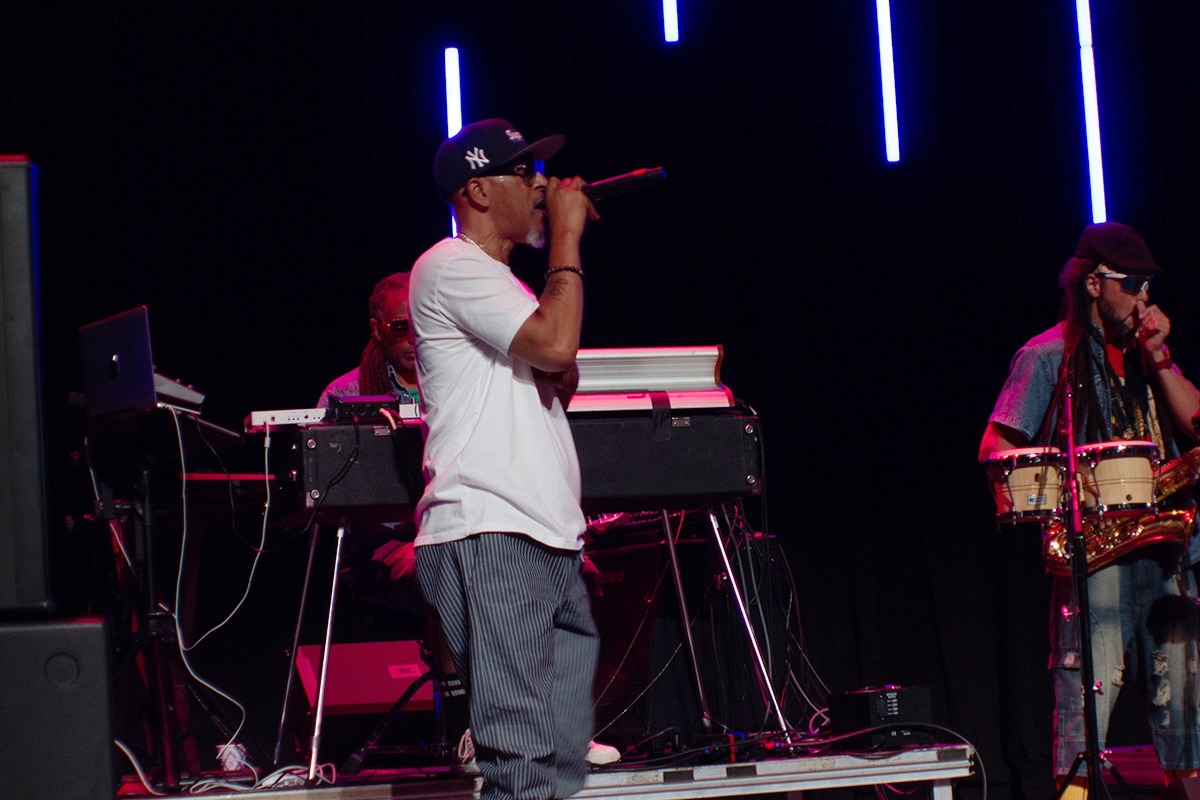

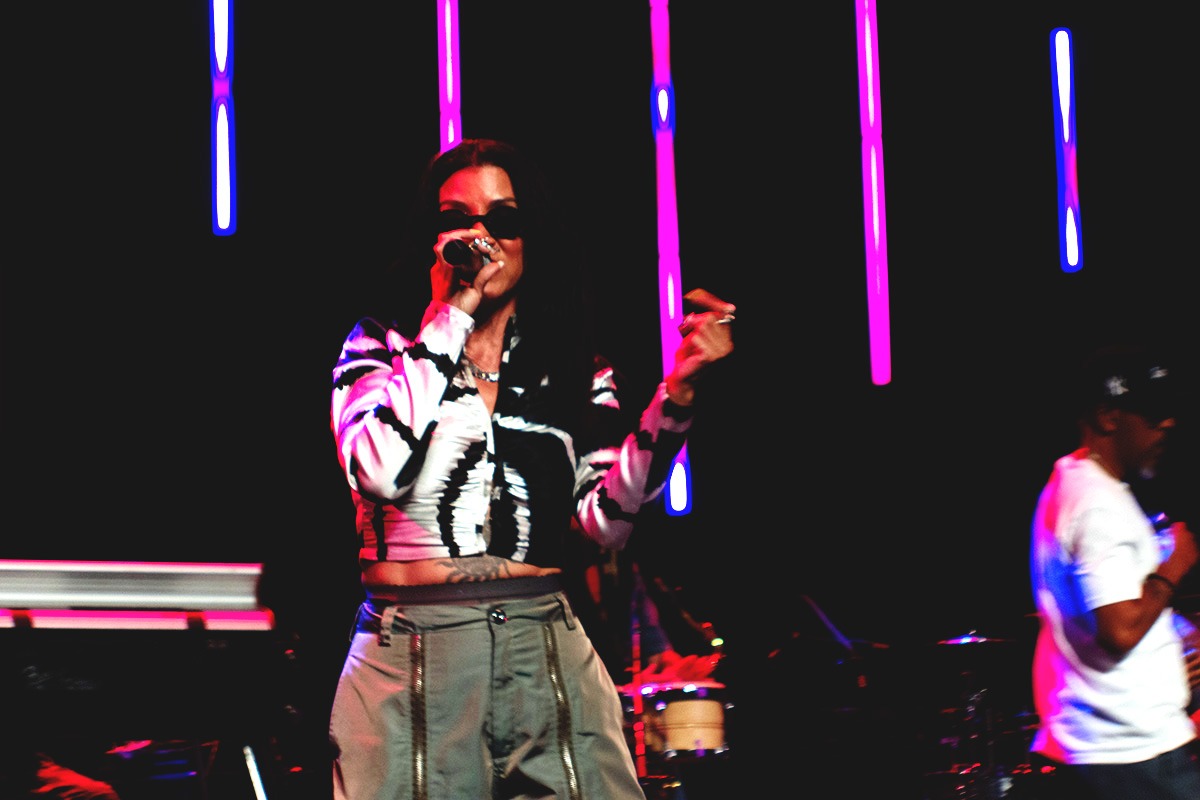
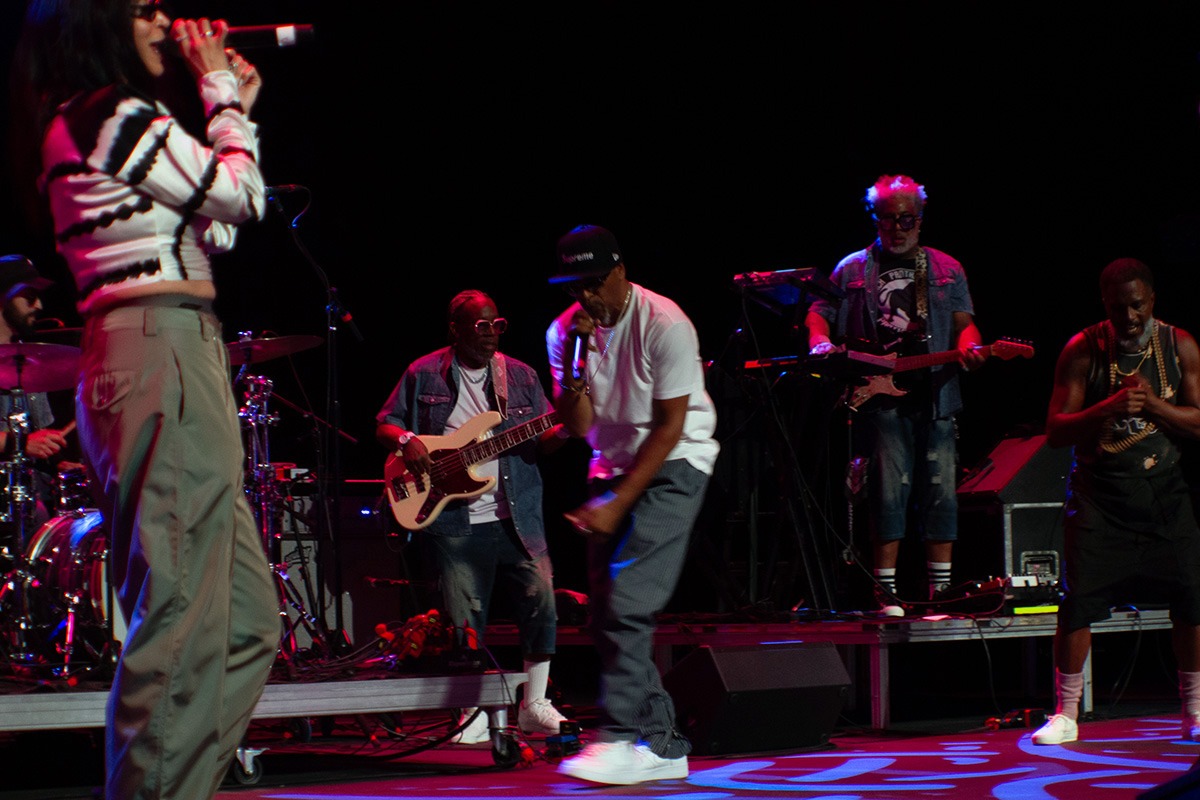



Their performance was timeless, in part thanks to seamless transitions: from mellow to funky, from introspective to celebratory.
The trio emerged first in silhouette, then in full view, greeted by cheers. A solo saxophone intro melted into a slow, smoky groove as Butterfly dropped lines from “It’s Good to Be Here,” easing us in with laid‑back flow and jazzy atmosphere. The trio and thier backing band delivered the signature jazz‑infused hip hop live they made popular in the ’90s—with saxophones, upright bass lines, muted trumpet tones, and jazzy keyboard accents woven behind the soft-spoken, powerful verses. Even staunch fans of the studio recordings commented afterward that the live instrumentation added depth and swing. The trio’s voices melded: Mecca’s clear rhythmic flow, Doodlebug’s theatrical delivery, and Butterfly’s textured, sometimes spoken-word cadence.
Their performance was timeless, in part thanks to seamless transitions: from mellow to funky, from introspective to celebratory. On “Nickel Bags”, the beat swung, the backup singers added smooth harmonies, making the all-too-familiar song new, not a museum piece, stuck in time. Even their older tracks sounded fresh; nothing came across as overly polished—everything retained its grit and soul.
Throughout the evening, the trio engaged with the audience in low-key, confident banter. After “What Cool Breezes Do”, they paused to describe how the Denver foothills breeze matched the lyrical themes—cool, fresh, liberating, joyful. Each member shared short stories or riffs from the road, but always with restraint: no meandering speeches, just enough context to feel intimate.
The stage presence felt communal, not grandiose—but comfortable, real. They weren’t chasing flash; they were delivering groove.
Across the night, the Planets exuded laid-back positivity. There was pride in their catalog, but no arrogance—only gratitude. They made it clear they regarded their fans and this moment as a celebration rather than a nostalgia tour. They joked about having aged but insisted their music had too: “We just marinated better,” one of the trio quipped.
The stage presence felt communal, not grandiose—but comfortable, real. They weren’t chasing flash; they were delivering groove. Their attitude was inclusive: at one point, Butterfly asked if it was everybody’s first time hearing that song live. Some raised hands; then they dedicated the next track to new fans and longtime doodleheads alike.
The impact of the Arvada Center’s intimate outdoor setup cannot be overstated–the crowd felt close-knit. The space’s acoustics held up well—musical detail traveled cleanly, and vocals were crisp. The evening air cooled nicely, enhancing the relaxed mood.
Footlight illumination shifted from golden sunset to subtle stage glow over the course of the set, creating a cinematic transition. It felt like watching a classic film under the stars. Concessions were nearby, but the focus stayed on the stage. Lawn seating and blankets added casual choreography: some danced, others nodded elbows to the beat, but most shared smiles.
Despite the smallish attendance, the crowd responded as if it was standing-room-only. There were spontaneous dance circles, call‑and‑response echoes on choruses, and heartfelt applause after each song. The vibe felt communal: long‑time fans swapped memories; newcomers absorbed the groove and nodded in appreciation. During slower songs like “Escapism”, there was respectful quiet, only to break into applause as Ladybug Mecca delivered her verse with measured poise.
At the close of “Rebirth of Slick (Cool Like Dat)”, the audience erupted—cheers, whistles, applause. The trio paused, soaking in the feeling, then came back for a brief two-song encore, likely revisiting “Pacifica’s” mellow horn lines and ending with “Time & Space” or another fan favorite. The encore ending was celebratory, peaceful, and uplifting—phone camera flashes, wide grins.
New Orleans favorites The Soul Rebels warmed up the audience with brass‑heavy funk and groove—preparing the crowd with infectious energy, tight horn arrangements, and brilliant covers that merged jazz, hip‑hop, and New Orleans soul. Their role was more than just opener—they set a groove that Digable Planets – and their fans – would ride into the night.