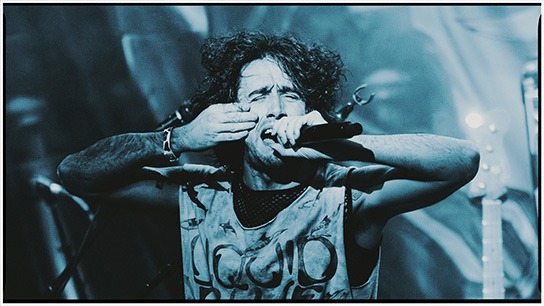
Machine Girl’s Cyberpunk Universe Unleashed @Summit Music Hall
April 4, 2026Photos: Béla Kershisnik
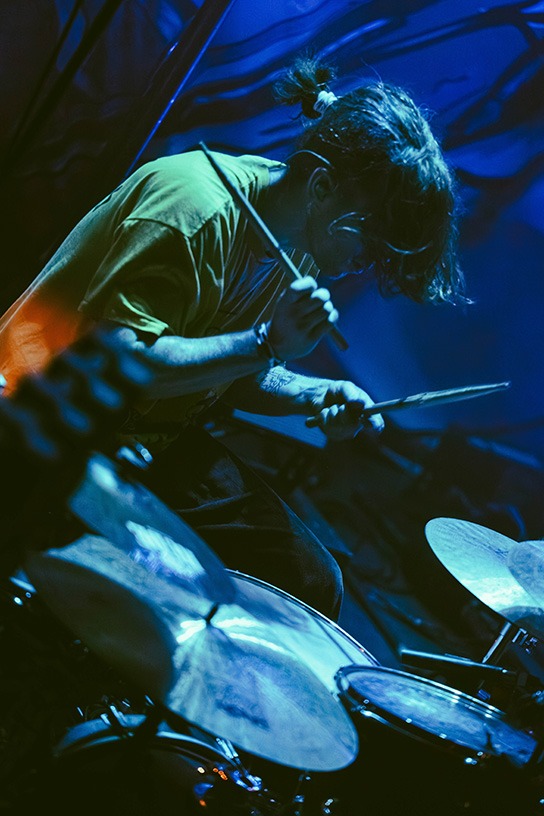
Machine Girl began in 2012 as Matt Stephenson’s solo project, with WLFGRL arriving in 2014 as the debut release. That solo era did not last long. Drummer Sean Kelly joined in 2015, and guitarist Lucy Caputi followed in 2024, turning the project into a fully realized band.
That evolution matters because Machine Girl’s sound resists easy categorization. Trying to pin the band to a single genre is a losing game; no two songs or albums sound exactly alike. Pulling from jungle, digital hardcore, industrial, and a long list of other influences, Machine Girl builds a sound that feels deliberately unstable in the best possible way. The lyrics are just as wide-ranging, often diving into themes many artists avoid, including identity, mental illness, and oppression.
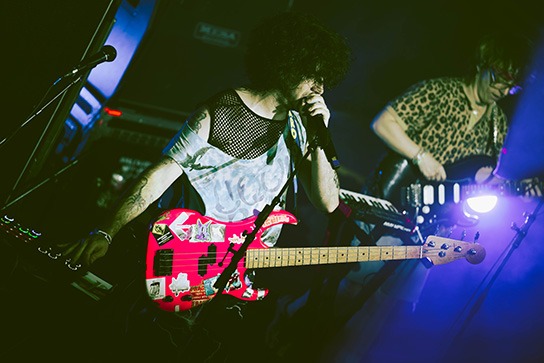
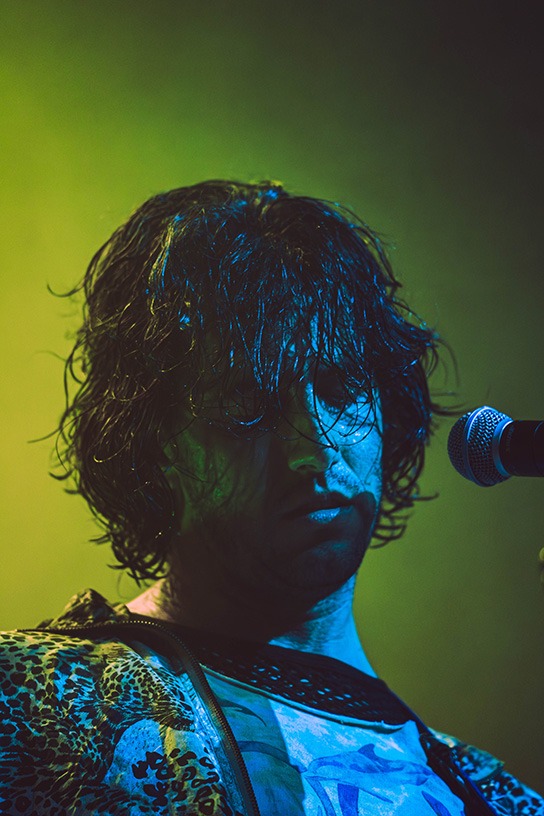

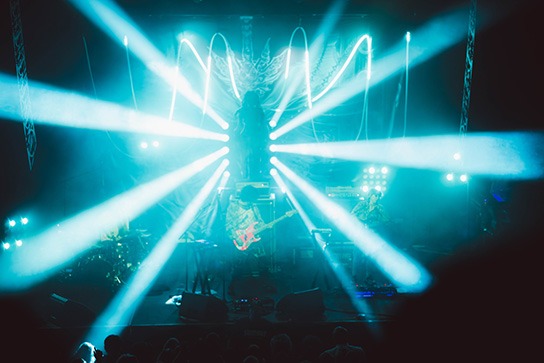



At its heaviest, Machine Girl fuses screamed vocals and abrasive, futuristic production with flashes of metal and punk. PsychoWarrior: MG Ultra X, the band’s most recent album, leans hard into that approach. Released in 2025, it delivers a punishing, confrontational sound without losing sight of the band’s more challenging lyrical concerns. Menacing guitar riffs and relentless drums collide with production that sounds ripped from a cyberpunk nightmare, giving the record its unsettling pulse.
The lyrics push that tension even further, warning about the decay of human thought, invoking philosophy, expressing regret, critiquing consumerism, and forcing listeners to stare down their own values. The result is a uniquely inappropriate strain of cybergrind that is beautiful, furious, grotesque, and weirdly exhilarating. Naturally, Machine Girl took that 2025 monstrosity on the road for a 2026 tour.
By the time the tour reached Summit Music Hall in Denver, tickets were already scarce across major resale and concert platforms. That demand tracks with Machine Girl’s eccentric and intensely loyal young fanbase, which now hovers near the one-million mark. Openers Sextile, an electronic-punk and post-punk duo, and LustSickPuppy, an industrial, digital-hardcore-adjacent hip-hop solo project, were ideal fits for the bill. Both acts matched the headliner’s sense of chaos and helped set the tone for a set that was aggressive, energetic, and gloriously unorthodox.
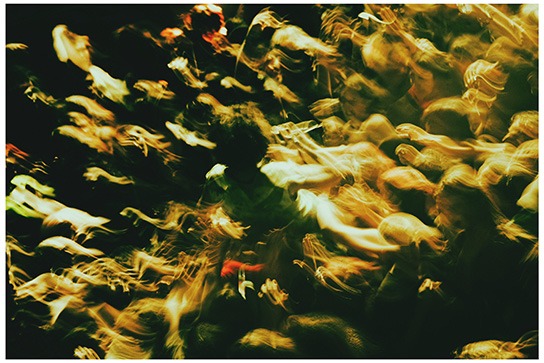
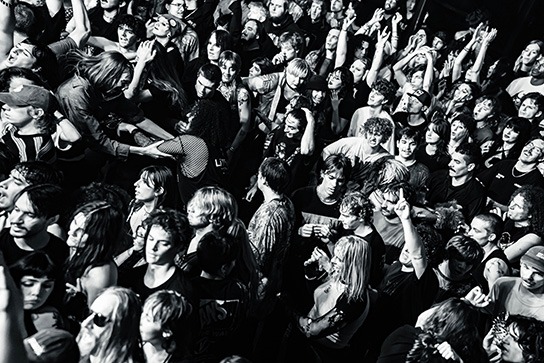
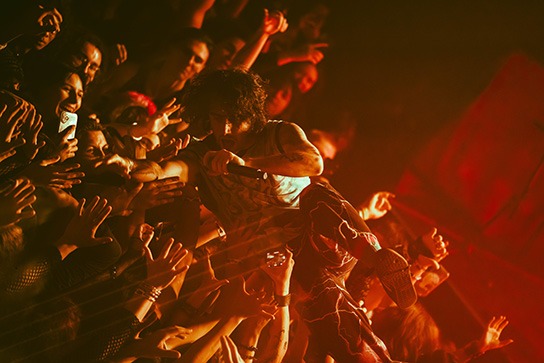
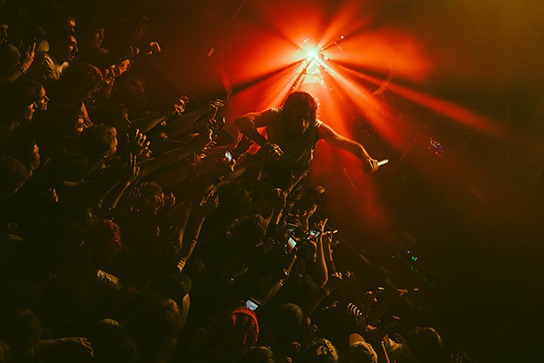
The crowd inside Summit was not violent, but it was relentlessly enthusiastic. Fans never stopped moving, many dressed in alternative rave gear and corpse-like makeup that fit the night’s aesthetic perfectly. From the opening sets onward, the room felt feverish, and that energy never let up once Machine Girl took the stage.
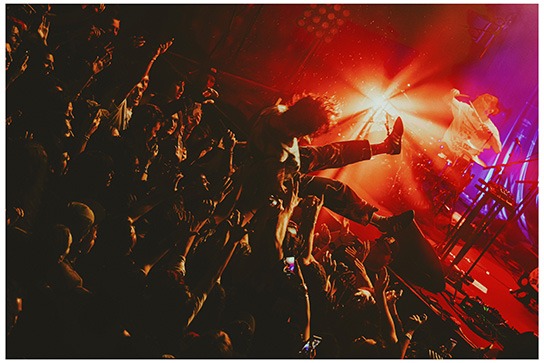
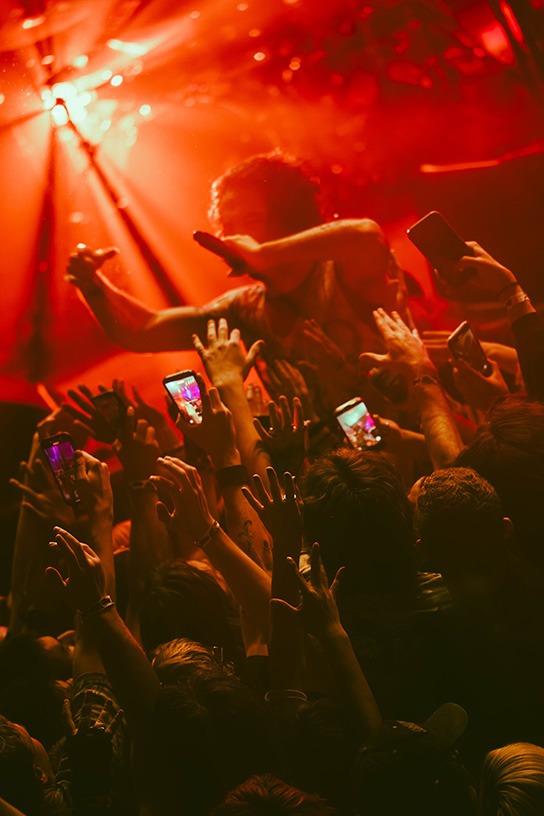
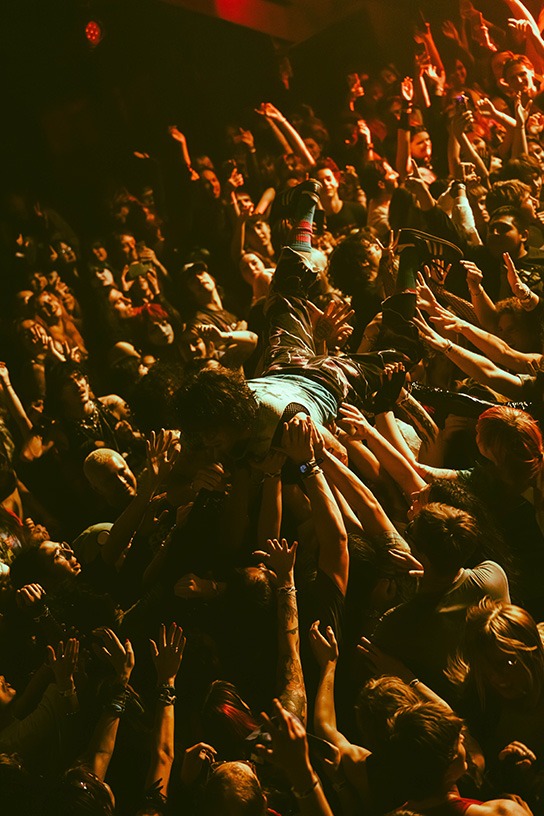
Stephenson, Machine Girl’s frontperson, somehow managed to match and maybe even outpace the audience’s energy. Throughout the set, they stayed in near-constant contact with the crowd, whether by speaking directly to them or physically throwing themselves into the room. Stephenson told the audience how much the band loves its fans, then backed that up by diving into the crowd around six times to dance and crowd-surf. At one point, they even hugged fans, a genuinely warm gesture that stood out in a set otherwise built on abrasion and frenzy.
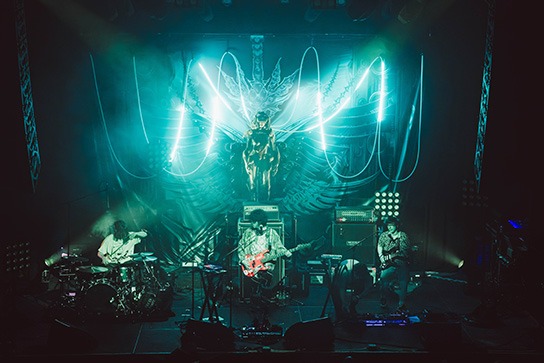
Visually, the performance leaned fully into cyberpunk dystopia. Glowing tubes hung behind the band, shifting through colors and patterns that made the stage feel half-organic and half-machine. A physical statue resembling the cyborg version of the MG Ultra Kid stood beside them, while floodlights and light bars fired off sporadic flashes from multiple points onstage. A rough, tattered art piece echoing PsychoWarrior’s cover hung against the back wall, reinforcing the set’s decayed, futuristic mood. The full design made the album’s aesthetic feel tangible.
Overall, Stephenson, Kelly, and Caputi delivered one of the more singular live experiences to hit Denver in recent memory. The performance felt open to everyone, regardless of age, gender, or sexuality, without losing any of its edge. Between the stage presence, the visual design, and the band’s sheer musical force, Machine Girl created a live atmosphere that stood apart even in a city already saturated with raves, noise, and beautifully strange nights out.