Insane Clown Posse Turn Summit Music Hall into a Sticky, Screaming Family Reunion
October 28, 2025Photography: Béla Kershisnik
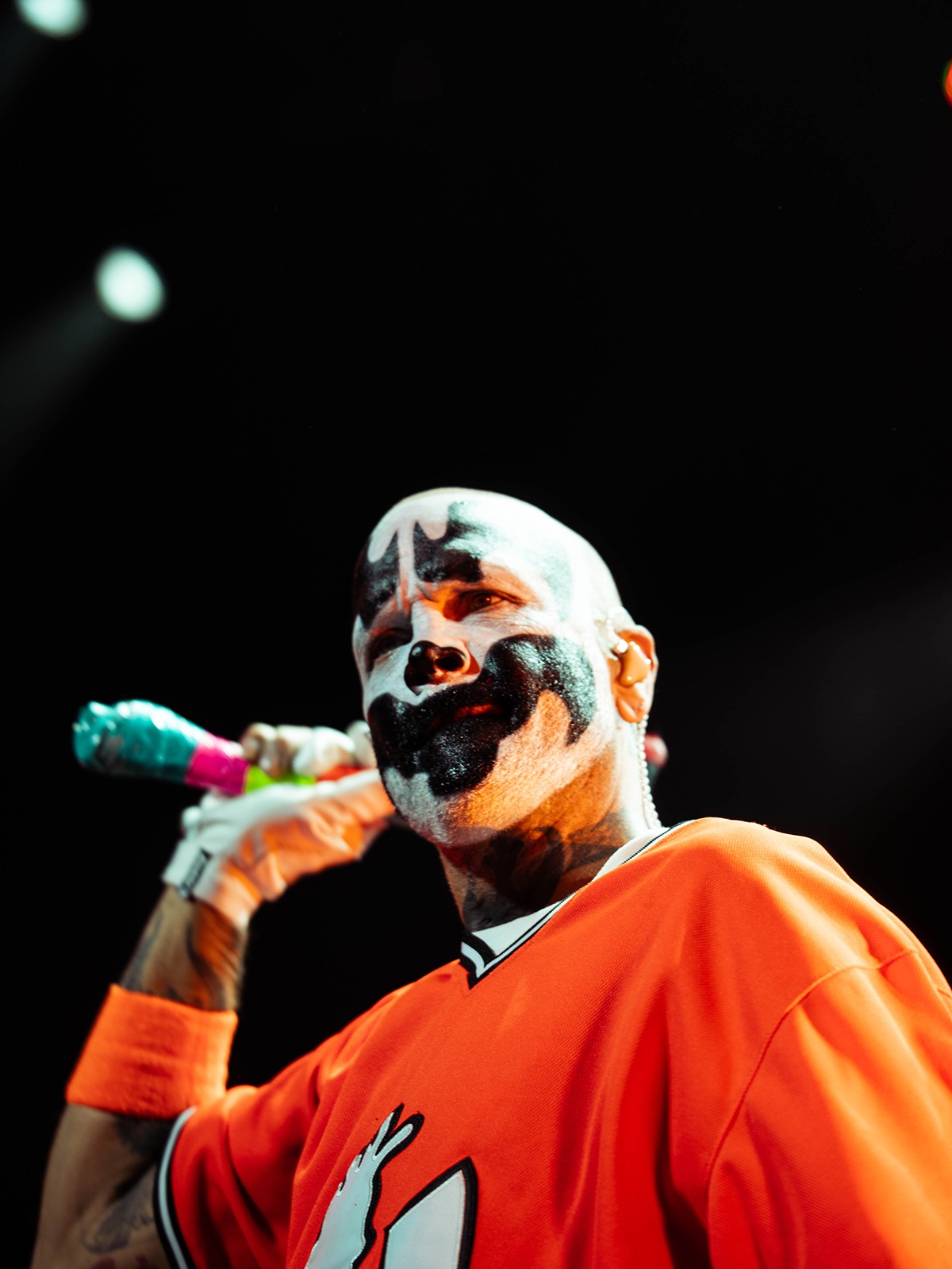
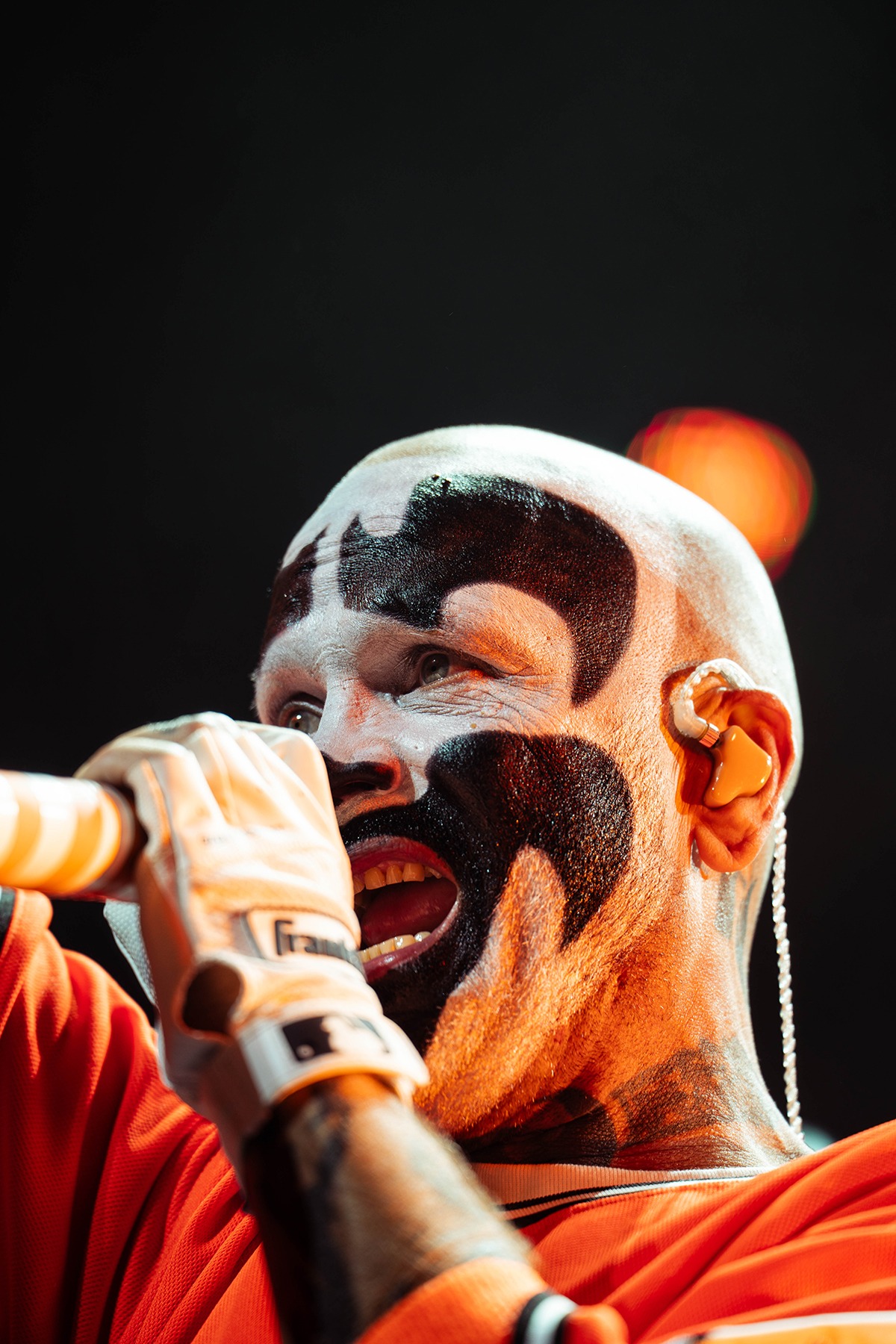
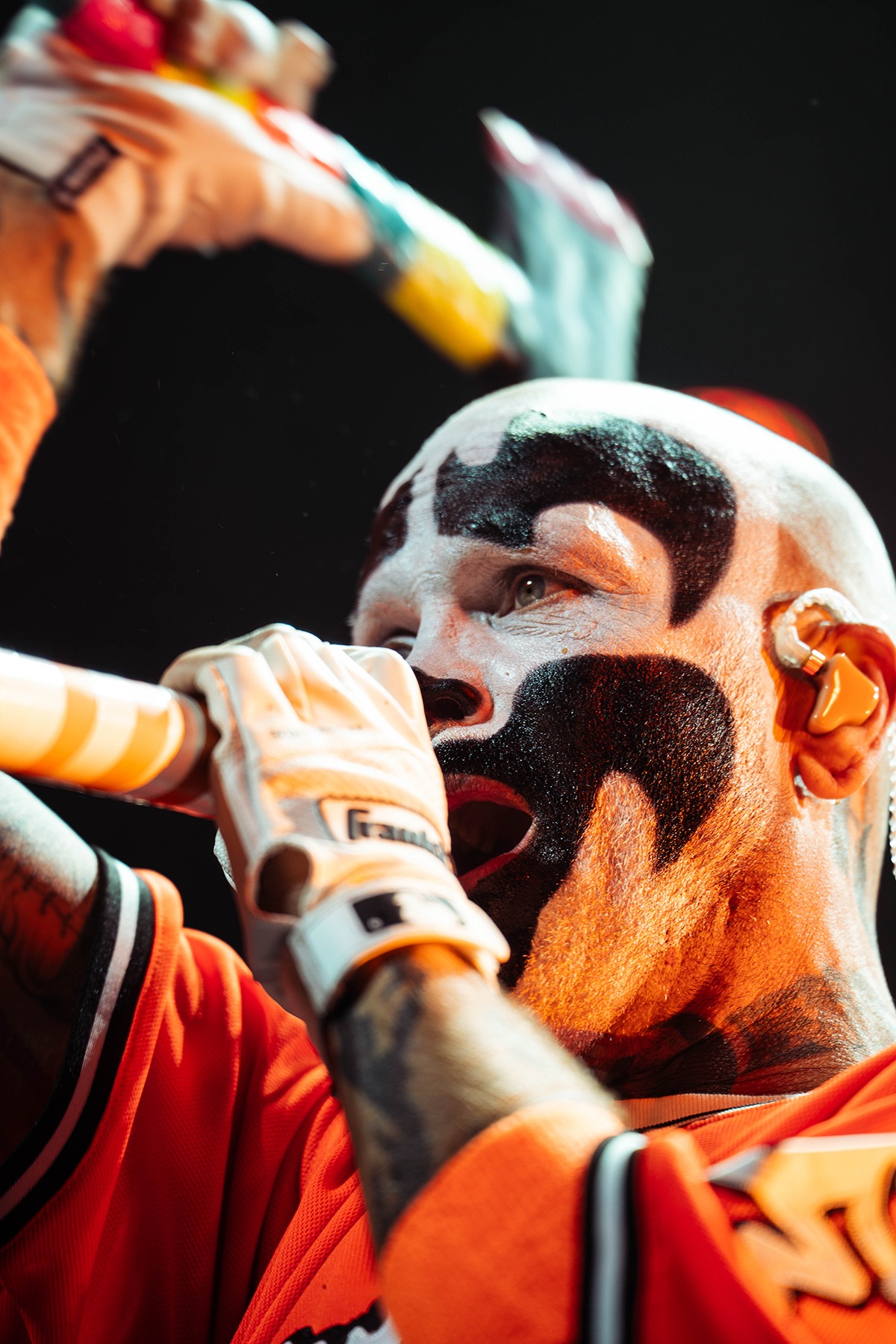
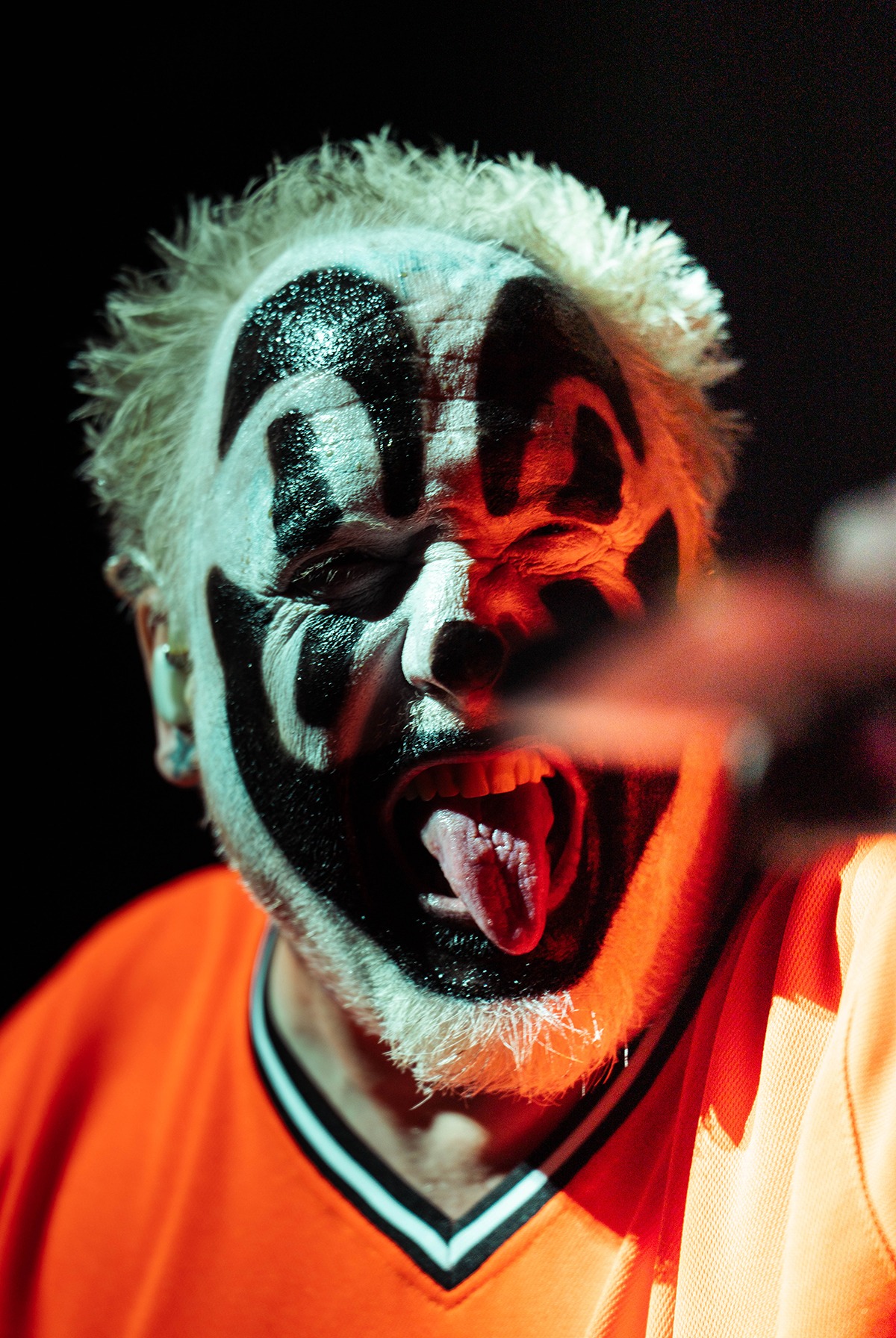
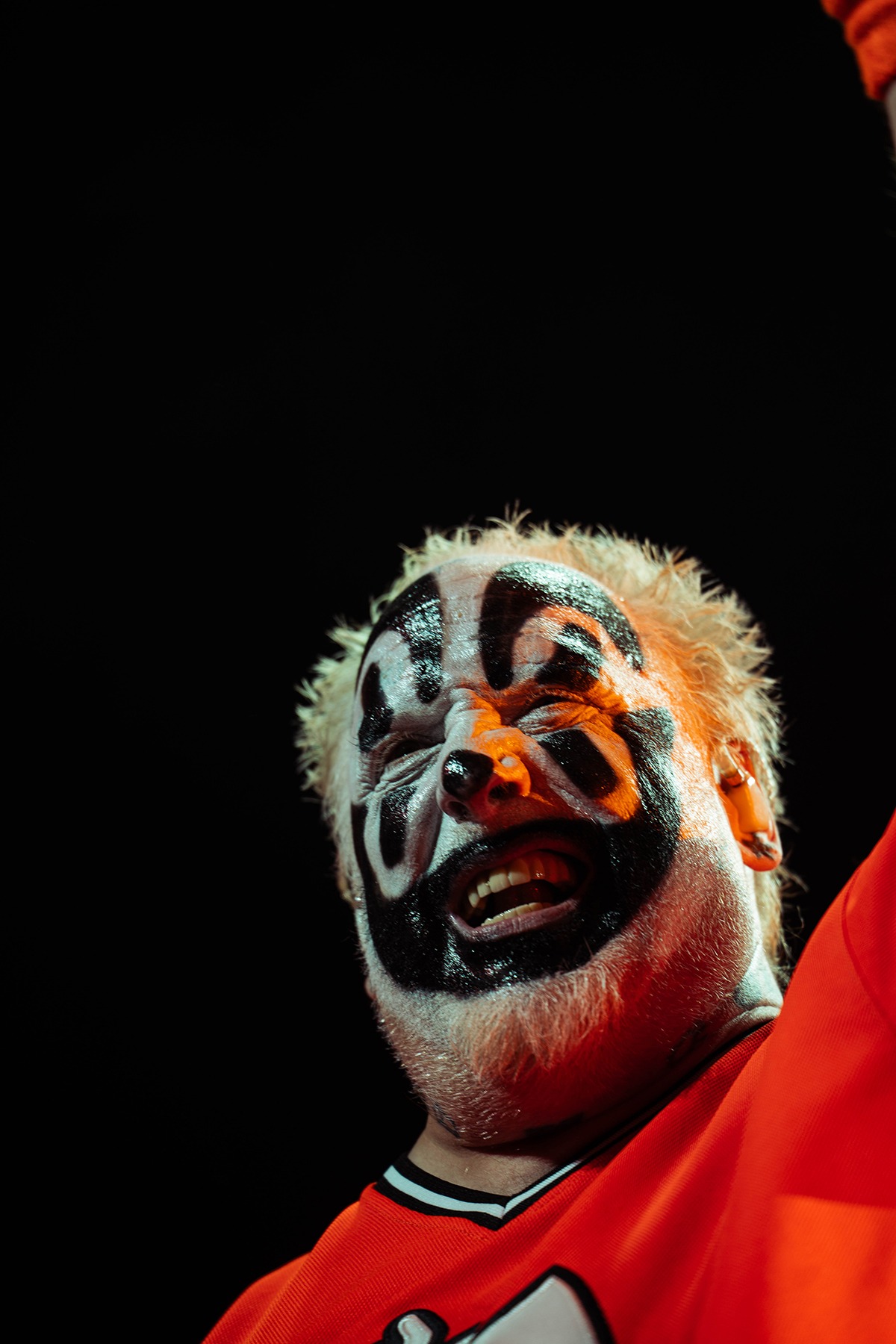
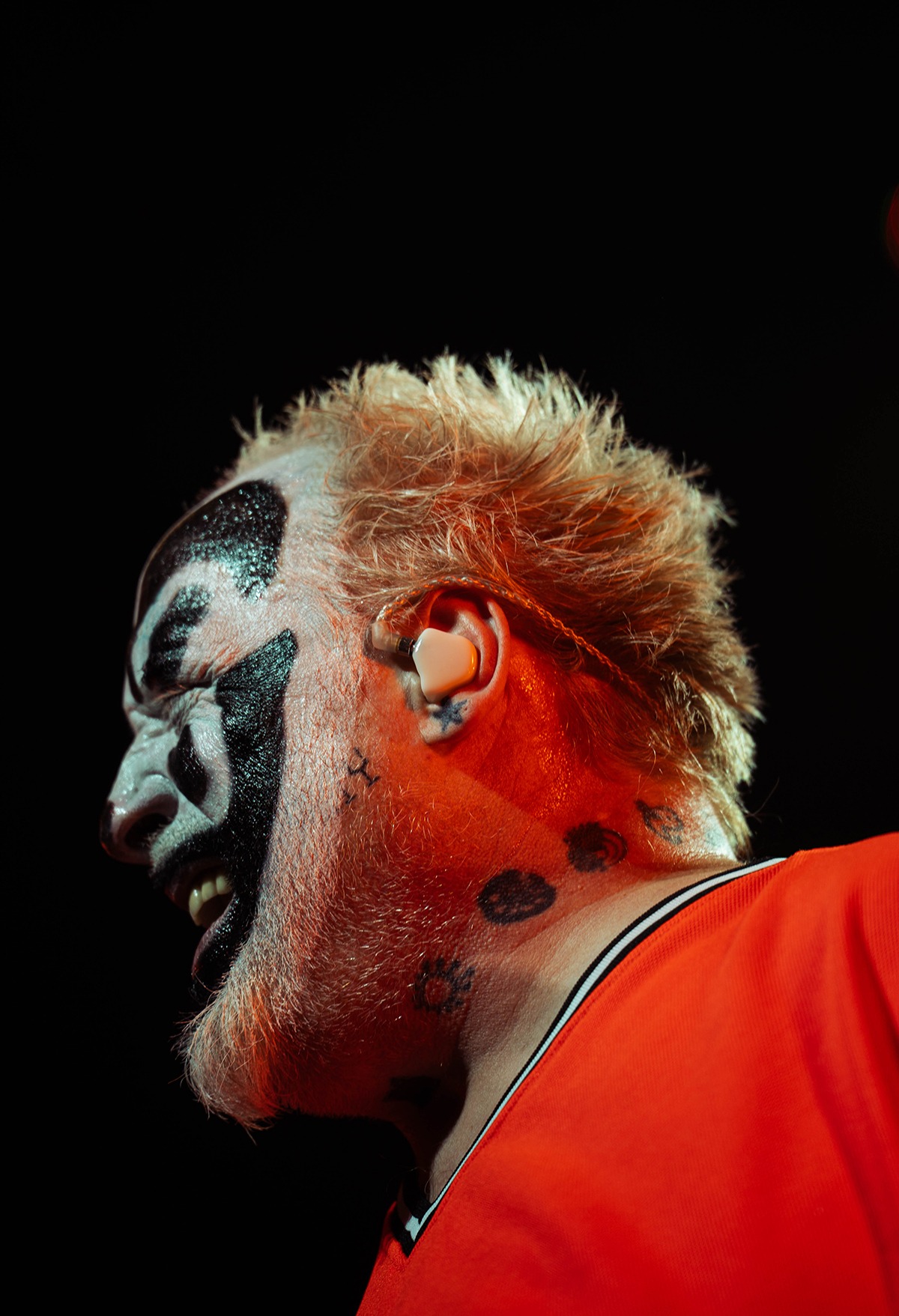
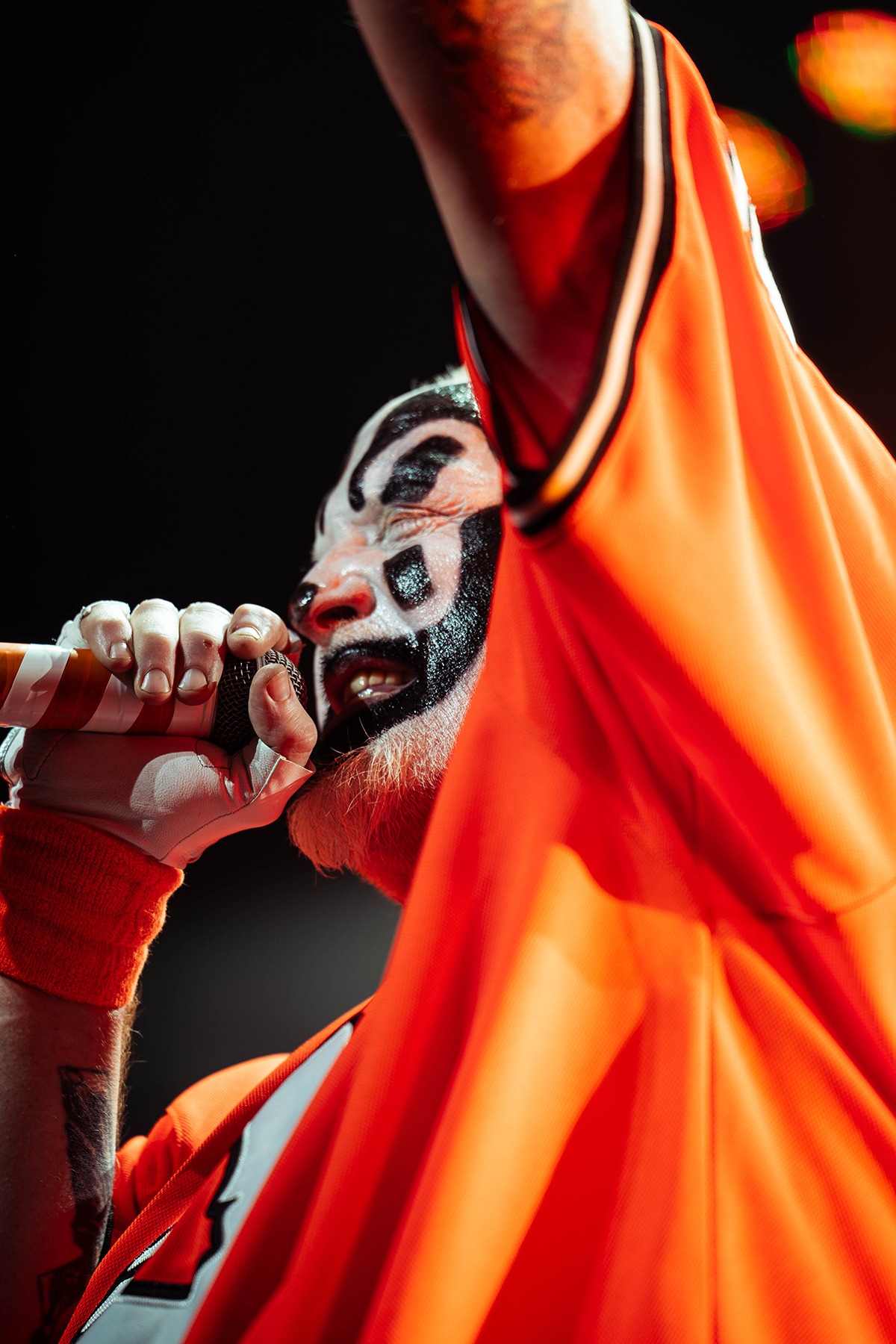
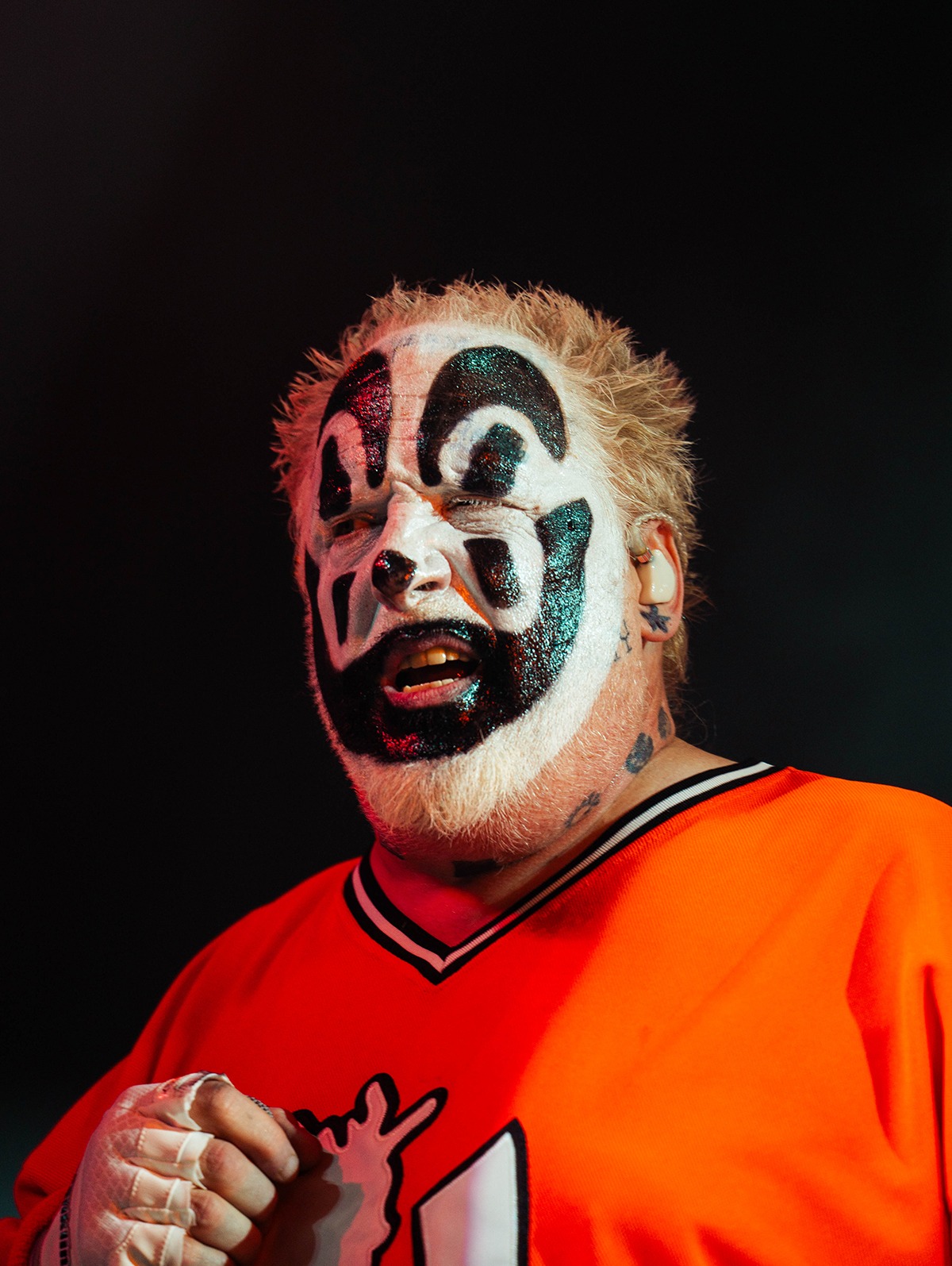
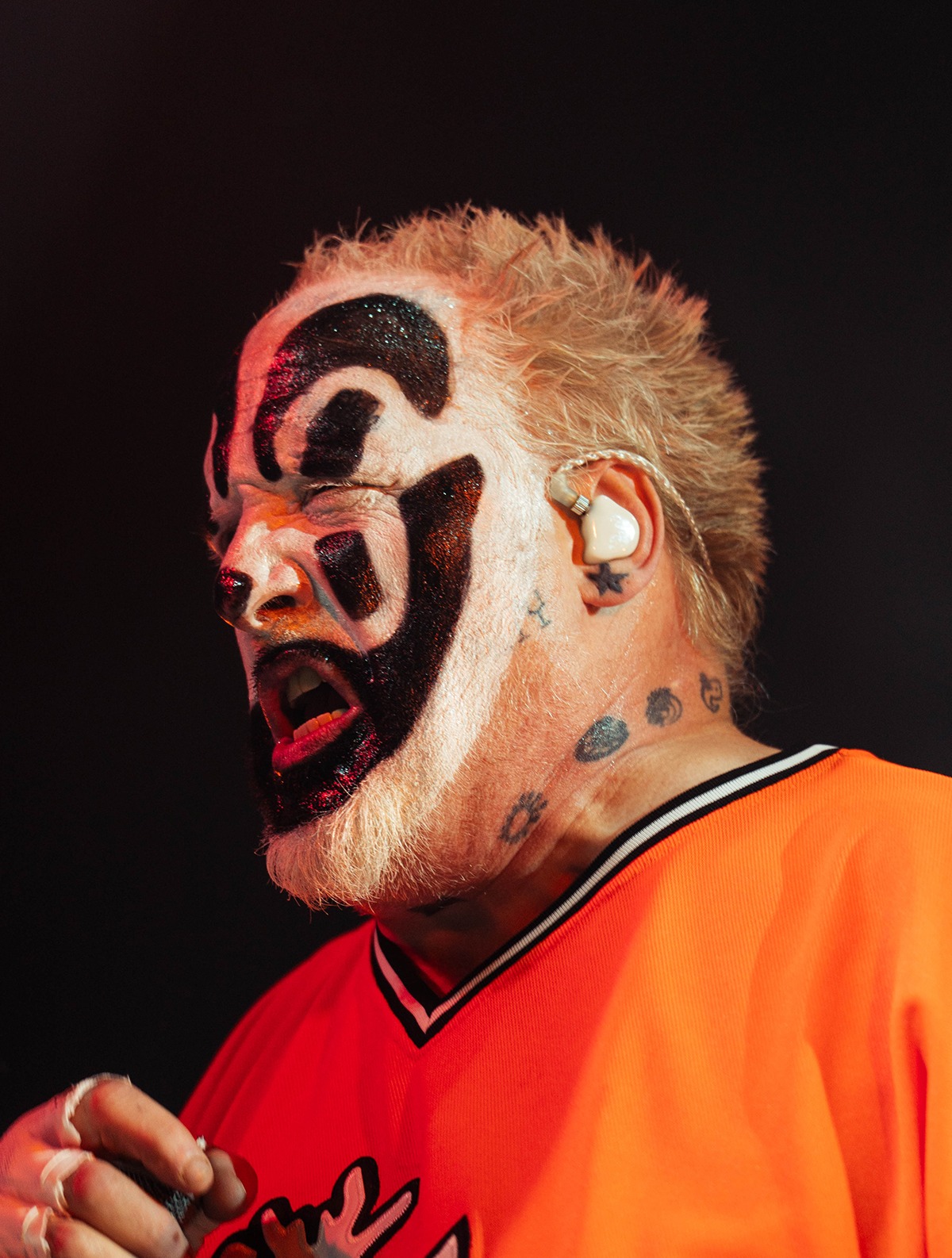
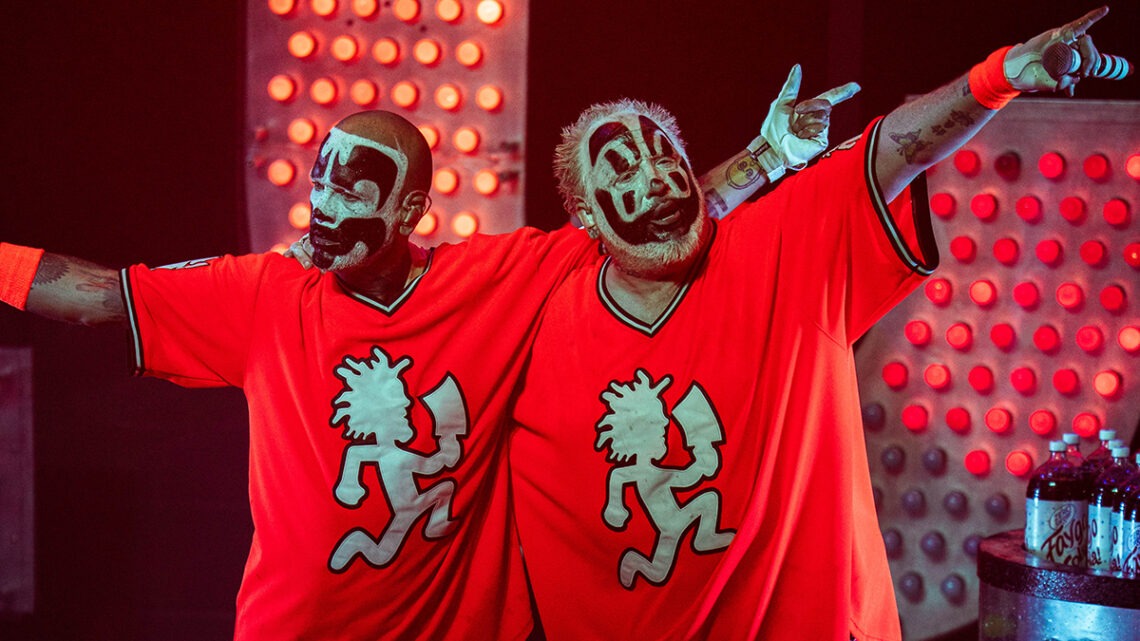
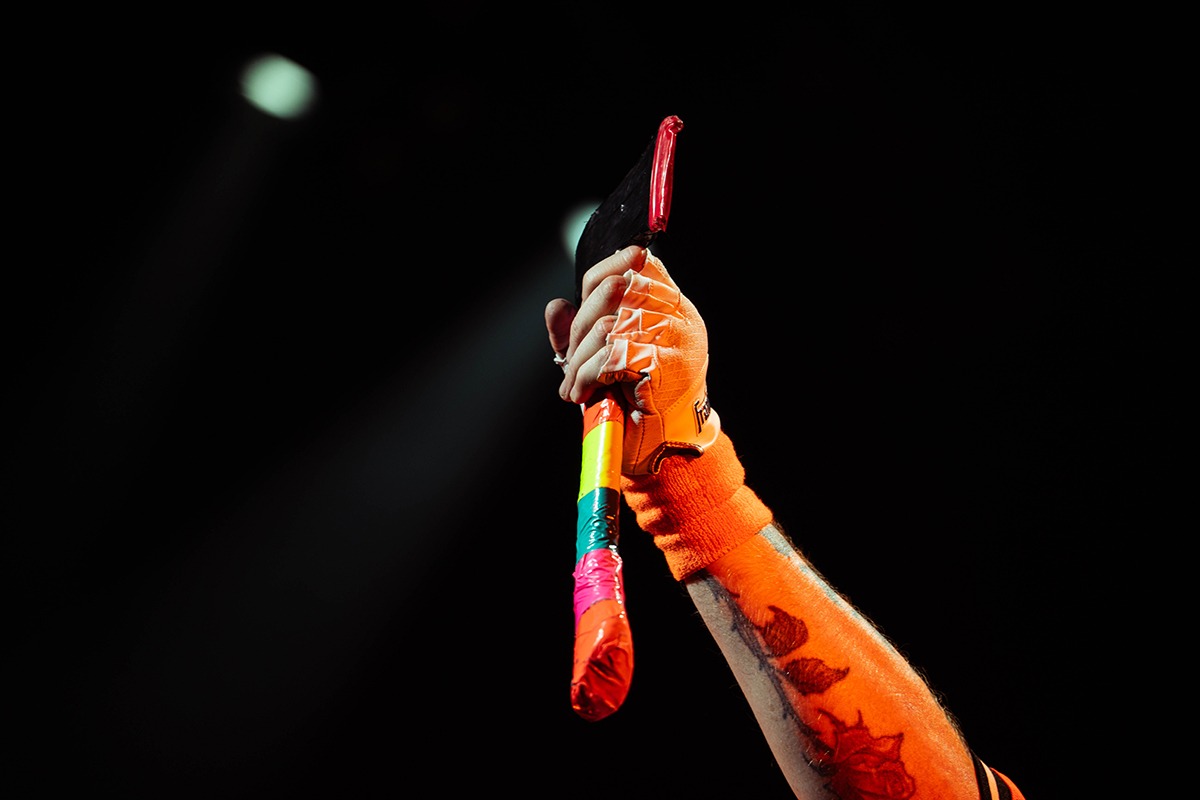
On October 26, Detroit horrorcore lifers Insane Clown Posse turned Denver’s Summit Music Hall into their own miniature Gathering. By the time Violent J and Shaggy 2 Dope finally hit the stage, the room was a solid wall of facepaint, cheap soda, and inside jokes only Juggalos understand. It wasn’t a night of tight rhyme schemes or pristine sound. It was a ritual.
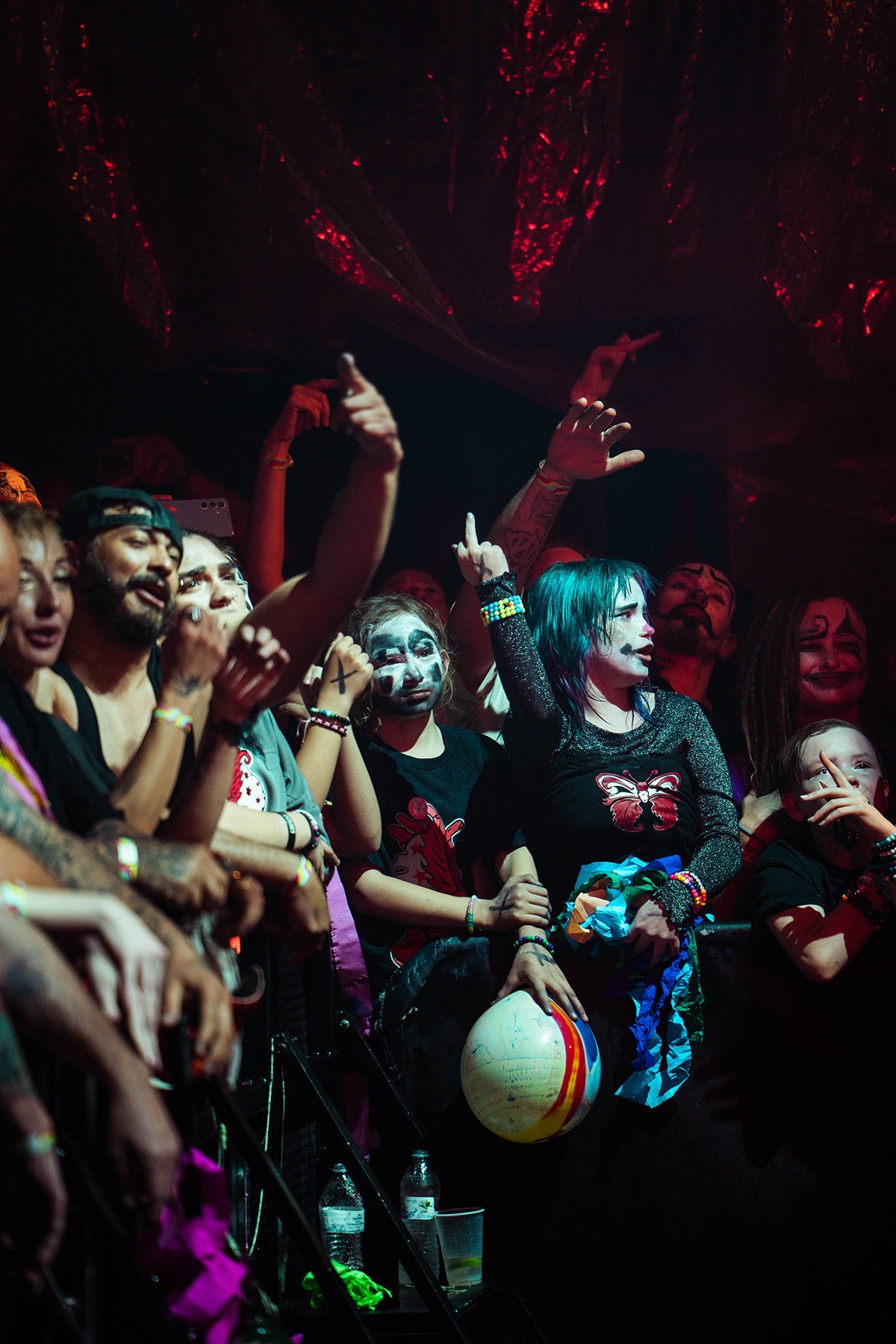
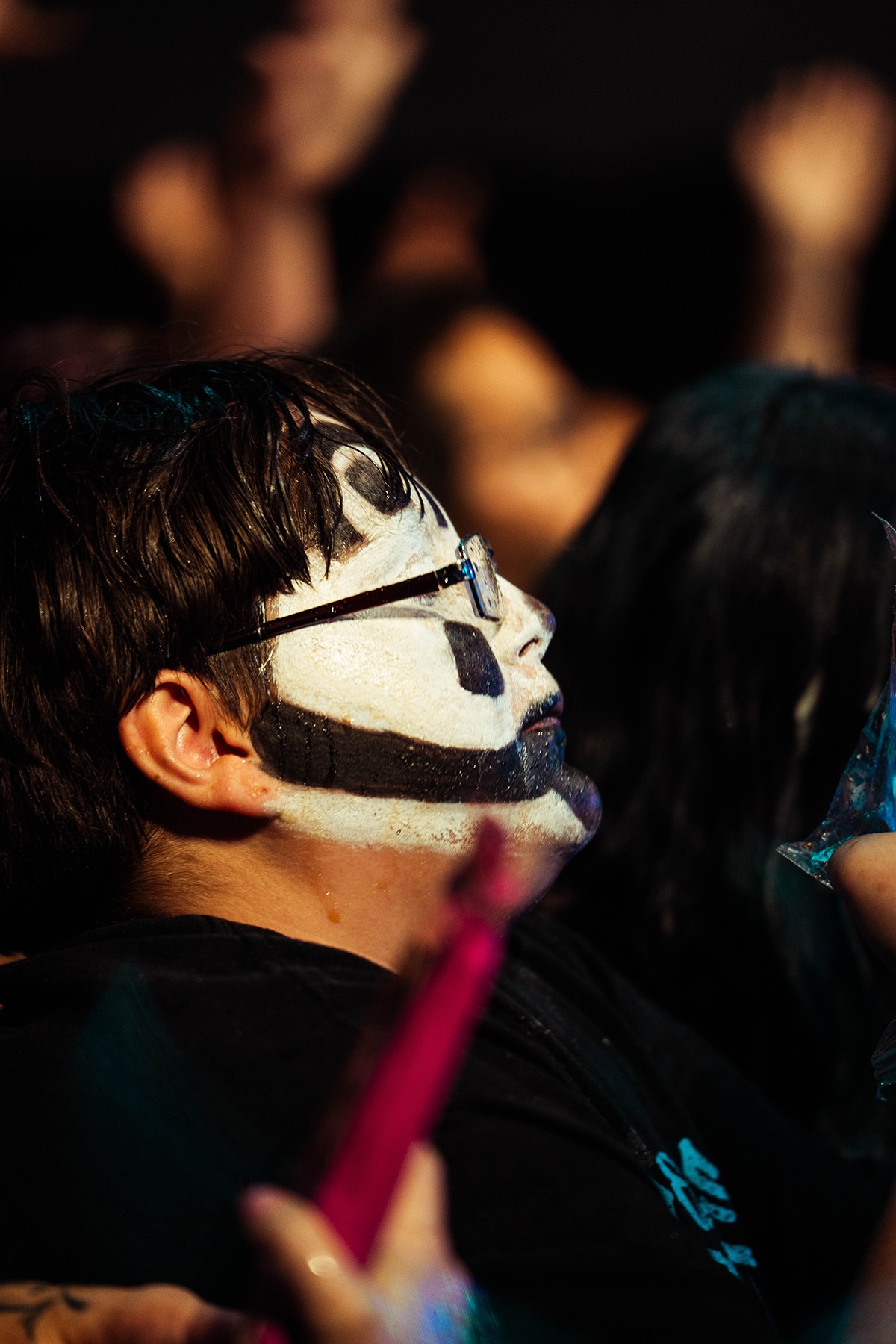
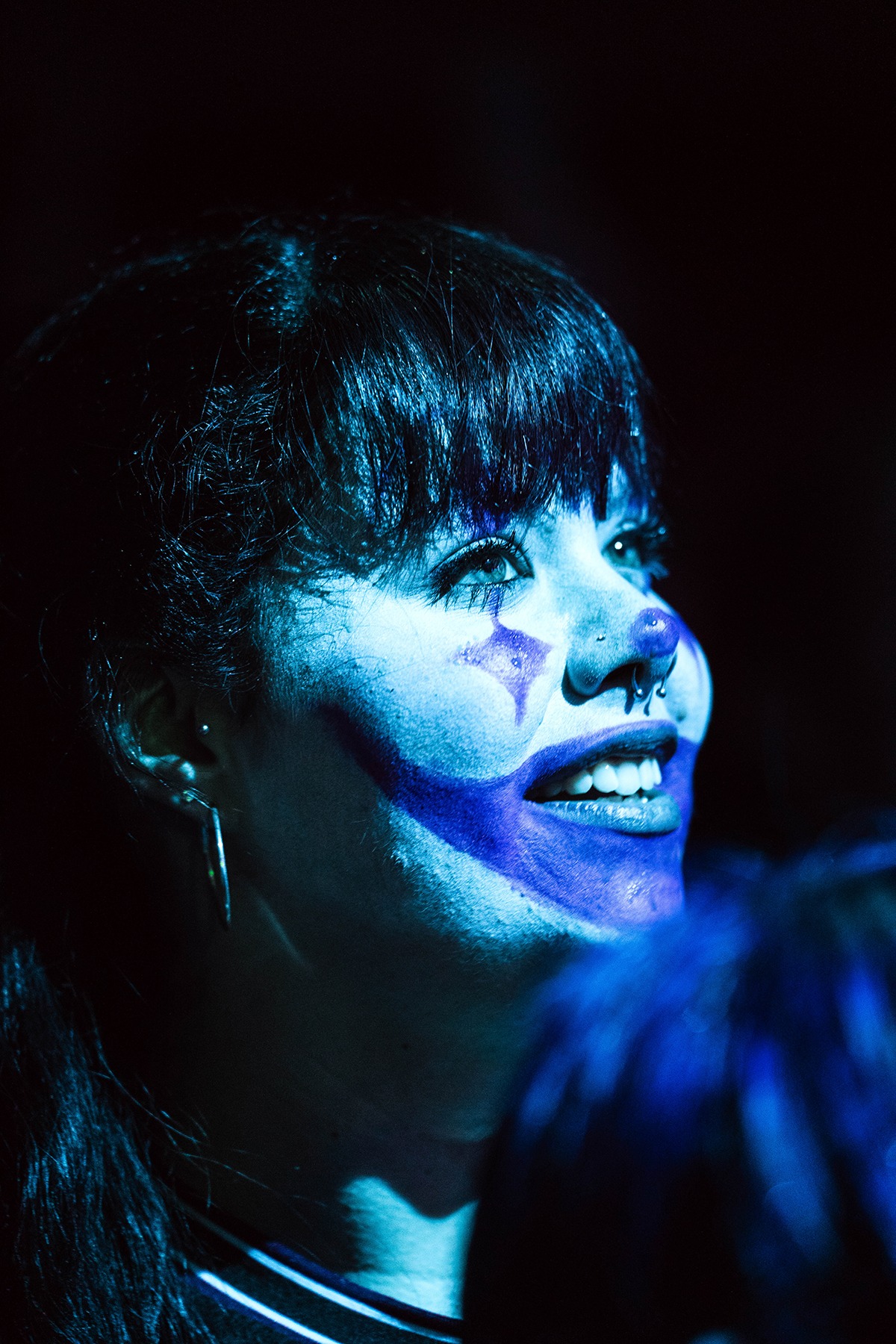
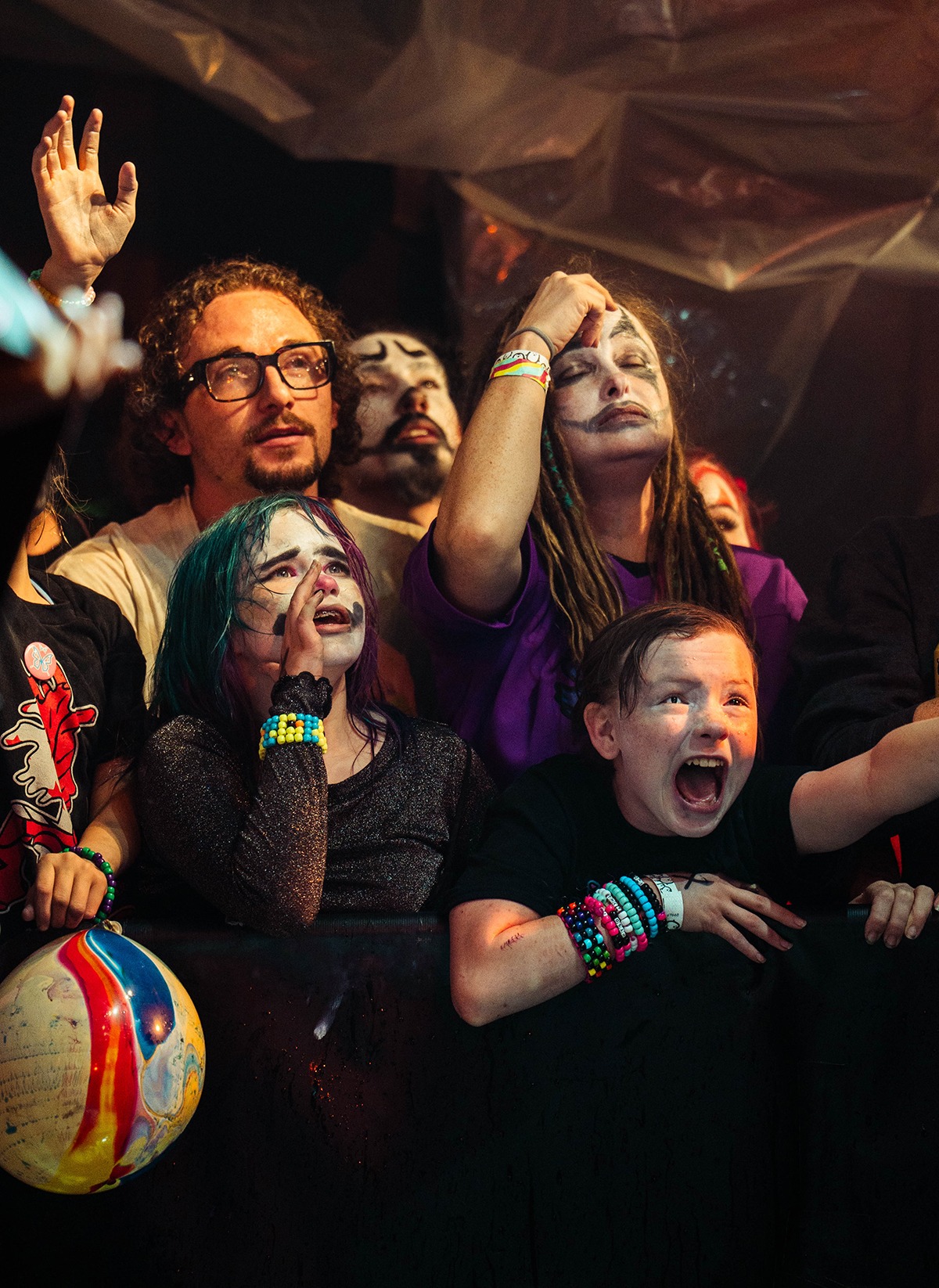
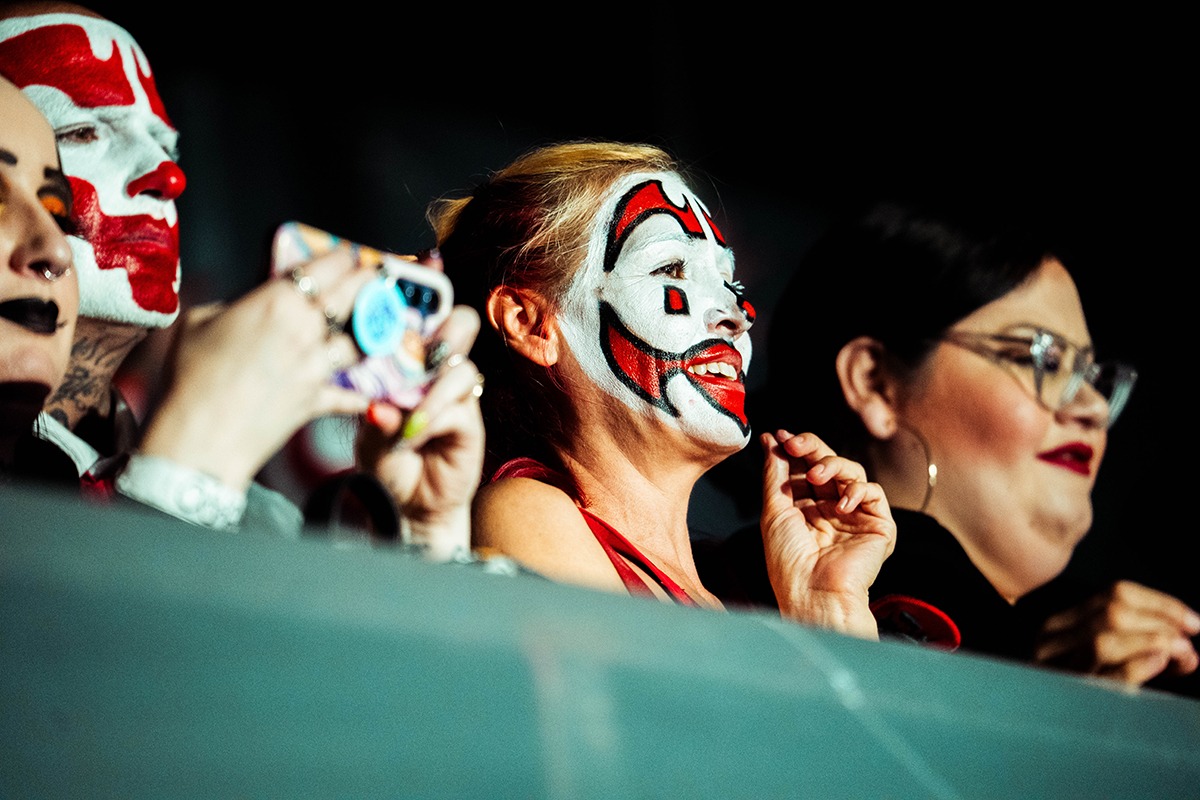
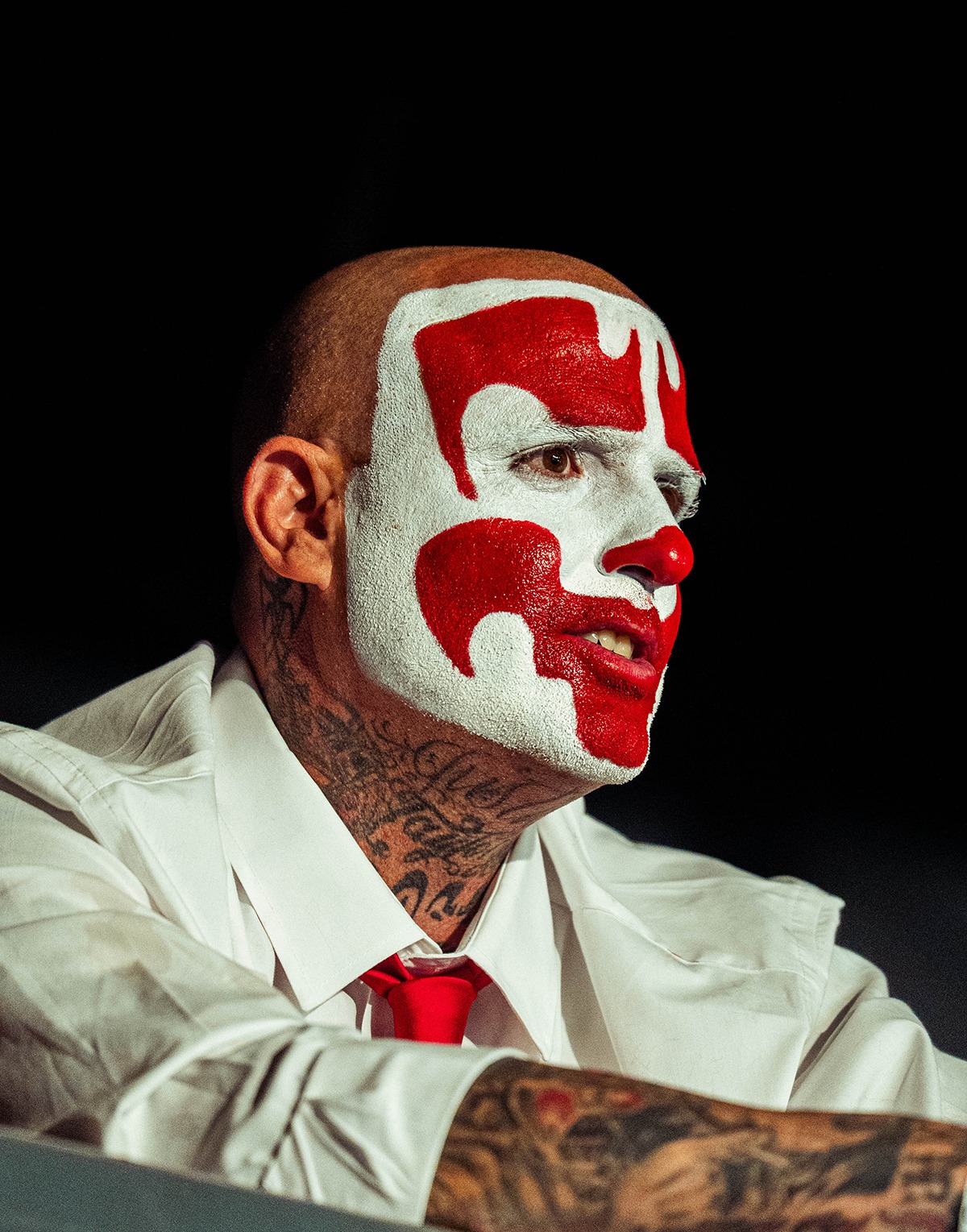
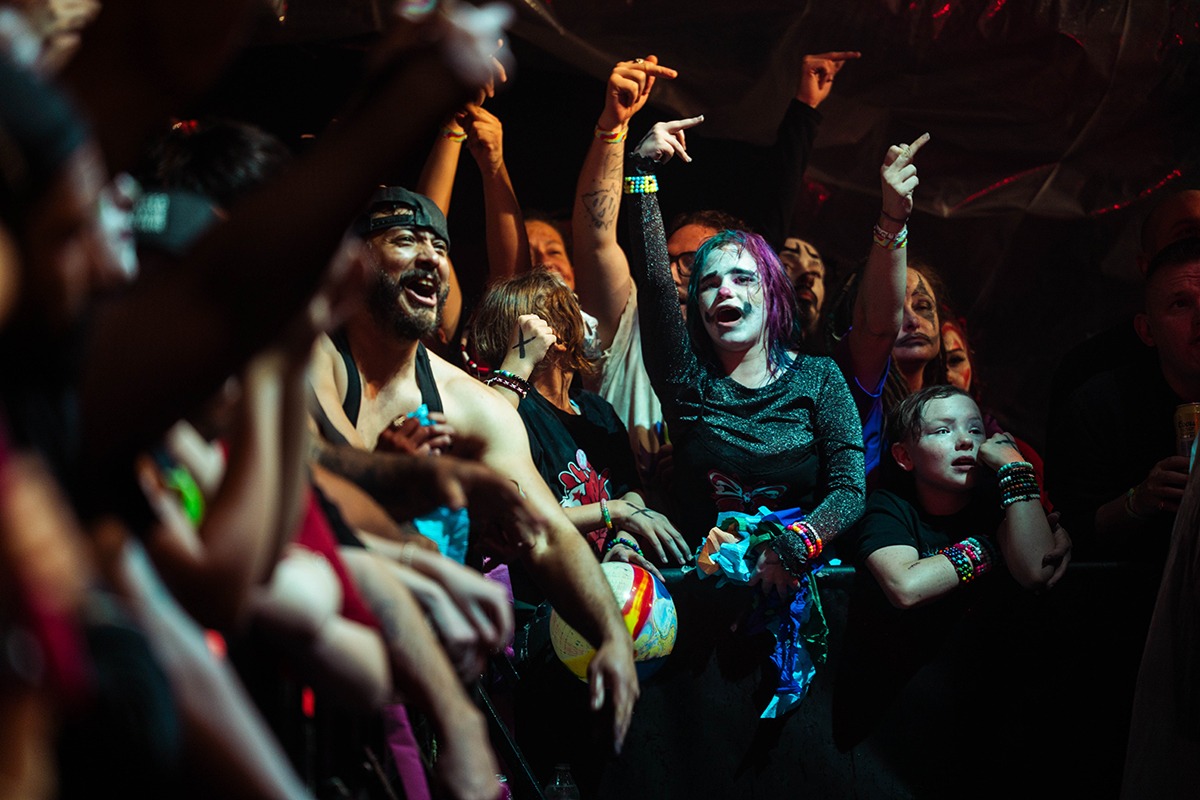
Summit was close to capacity well before ICP went on. Clusters of fans compared paint jobs, shouted “whoop whoop” across the room, and posed for photos that looked more like family portraits than pre-show snapshots. That “fam” language isn’t accidental; Juggalos have long described themselves as a kind of chosen family, united less by genre and more by shared outsider status.
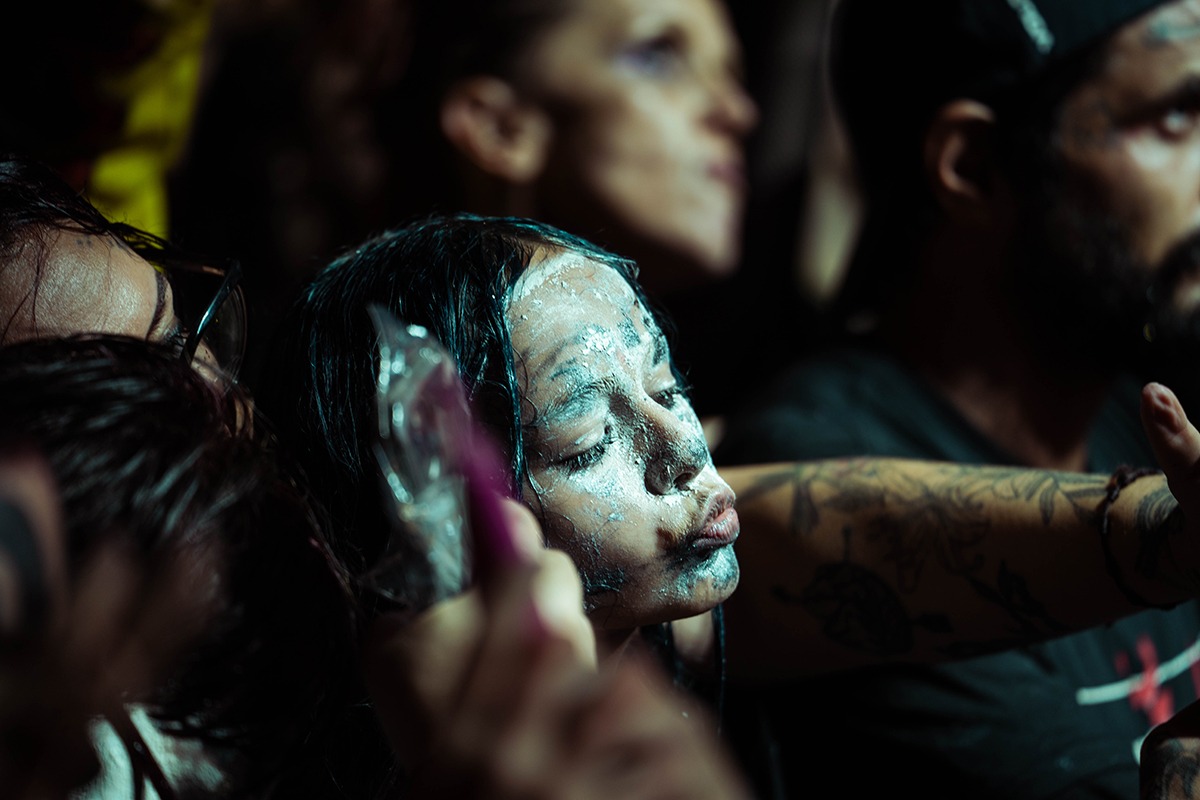
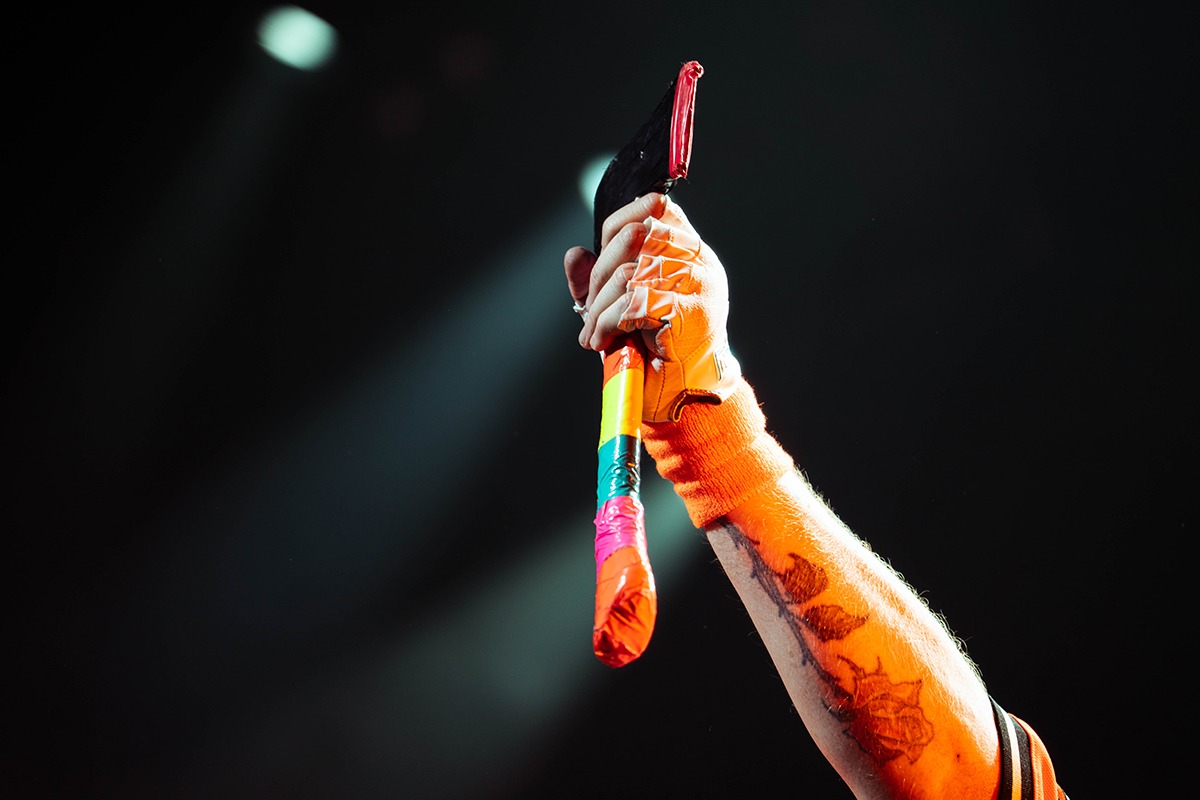
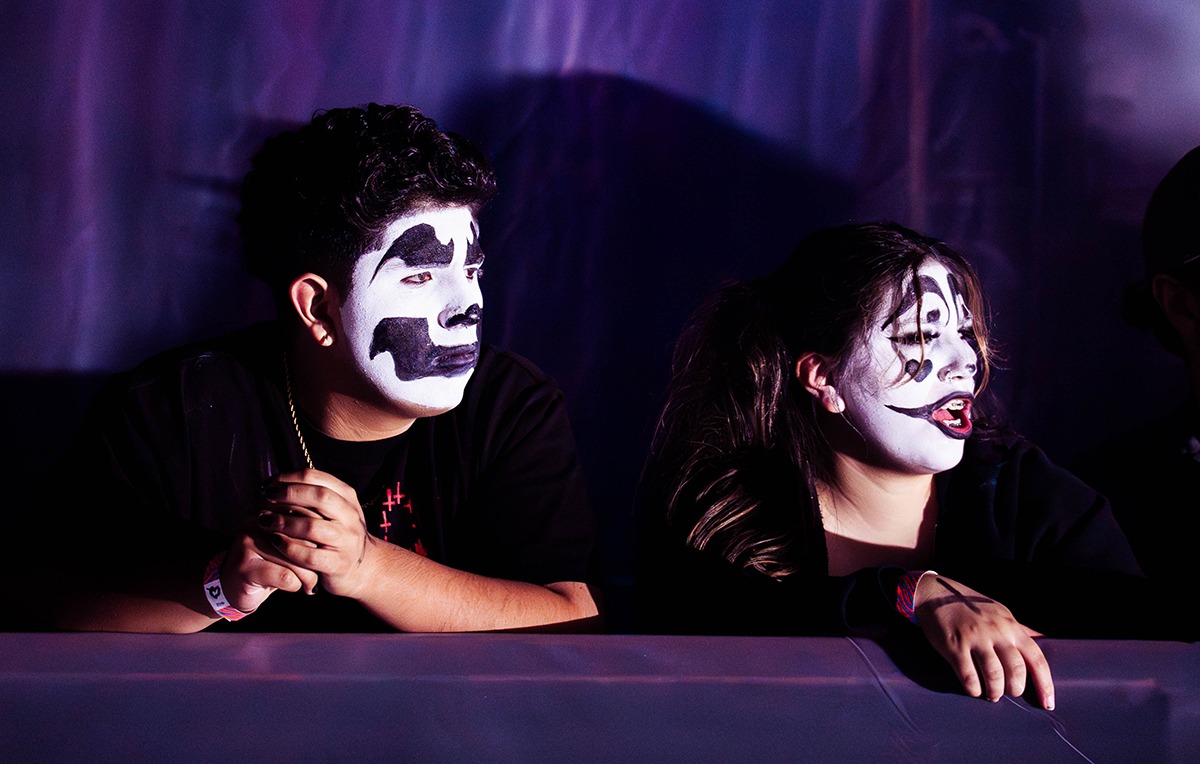
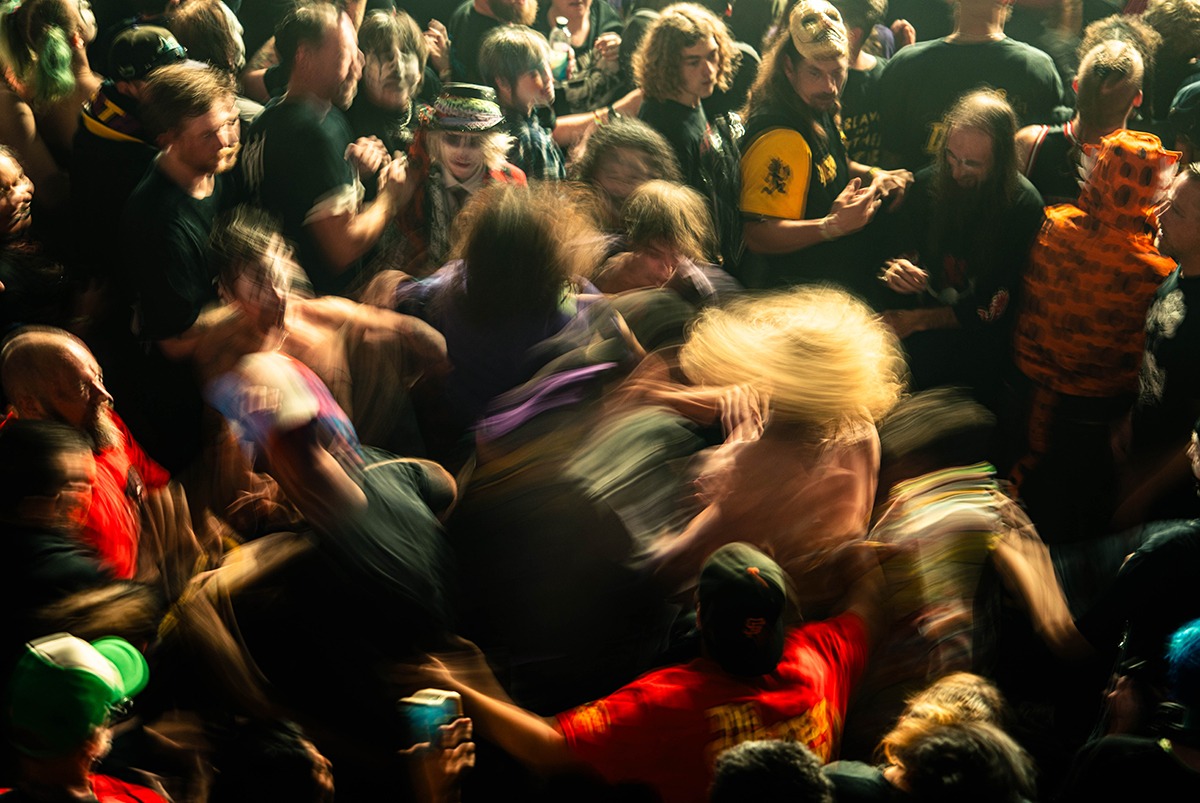
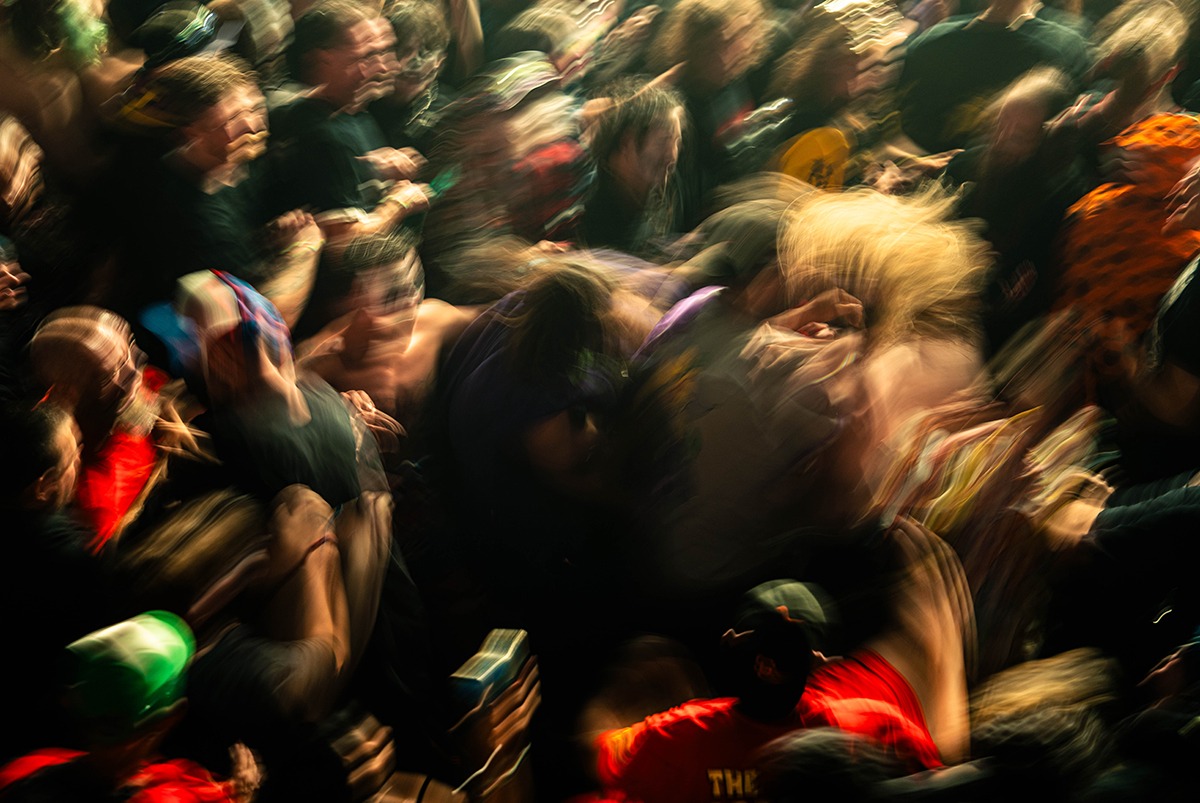
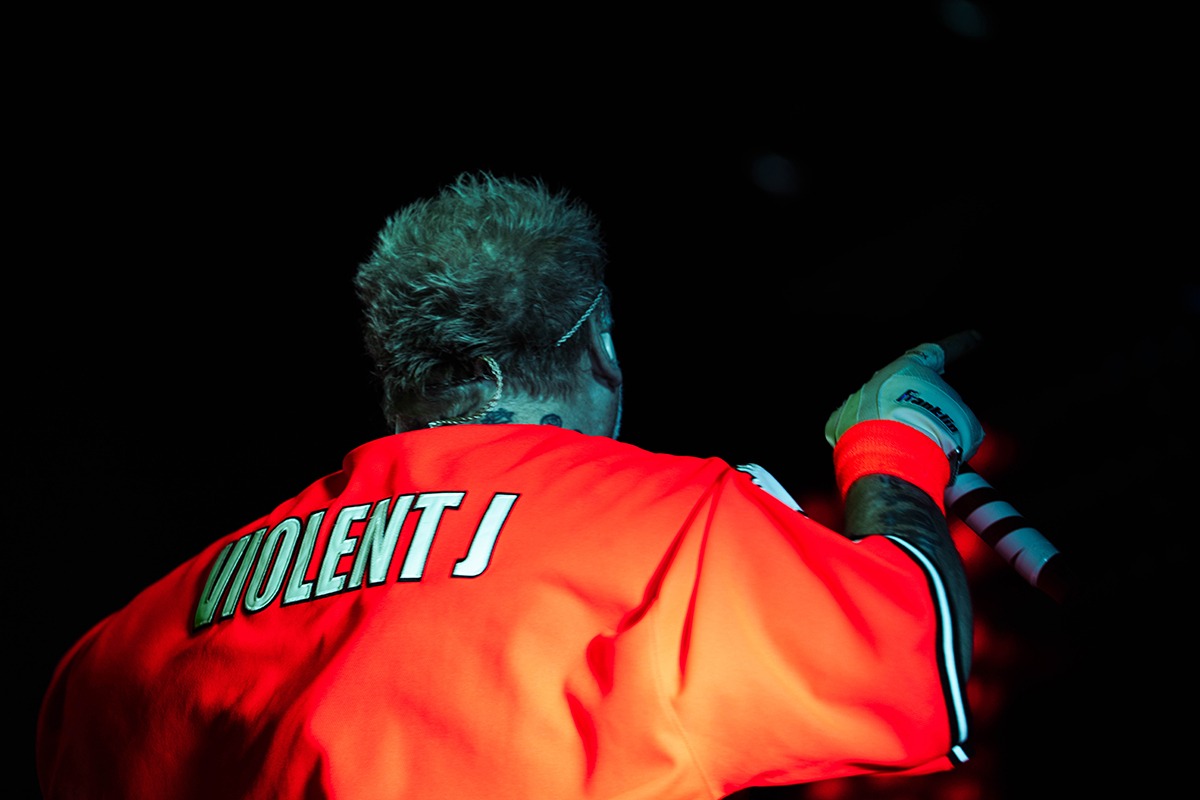
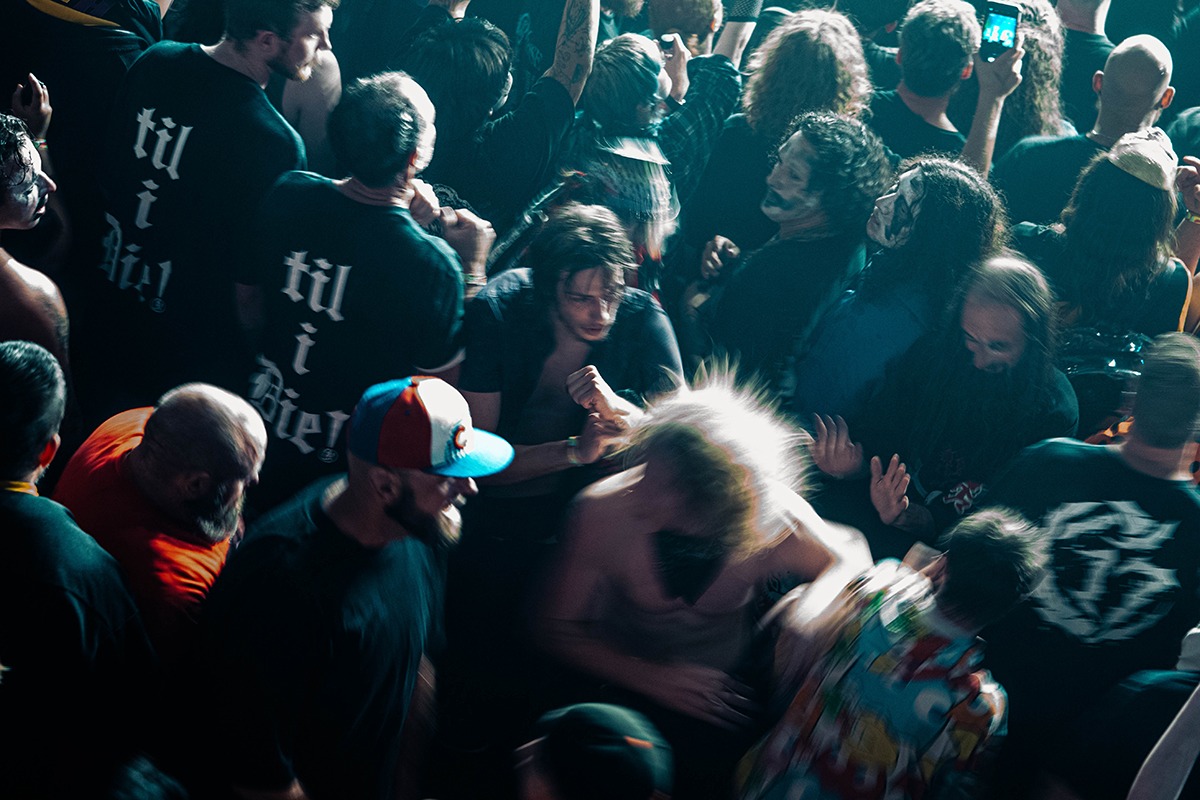
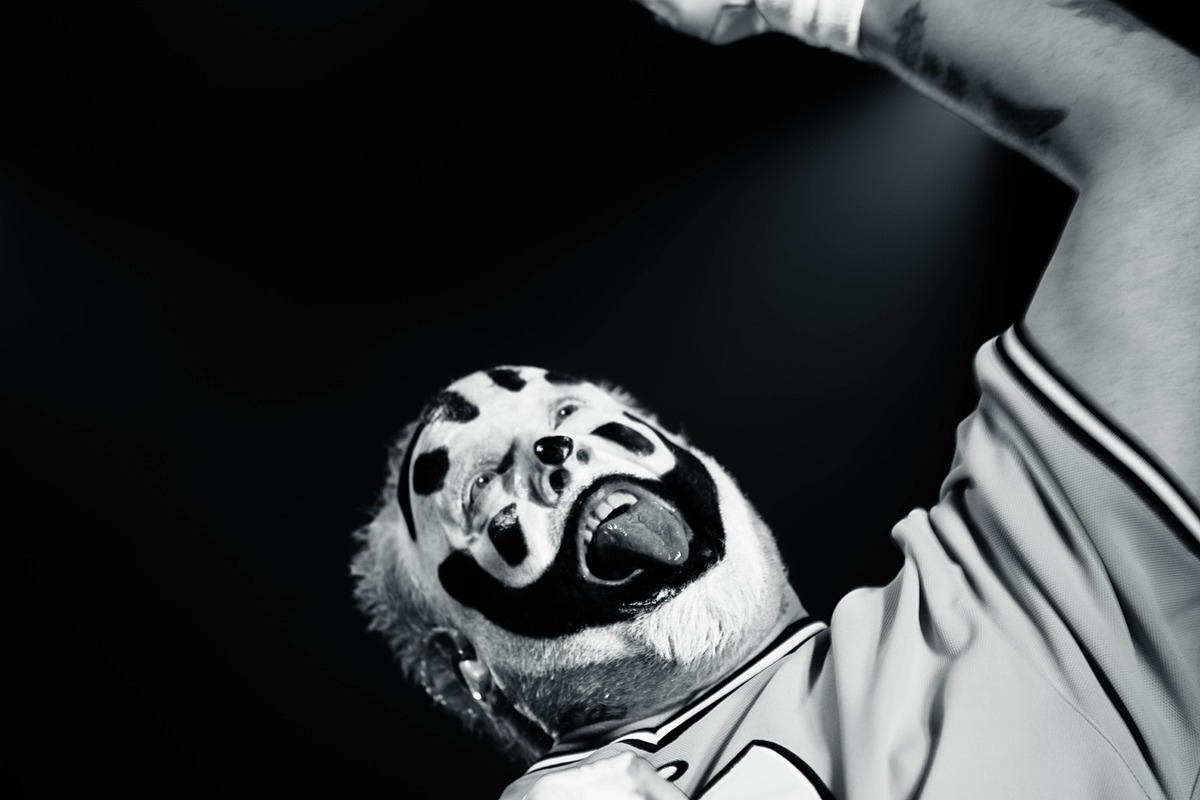
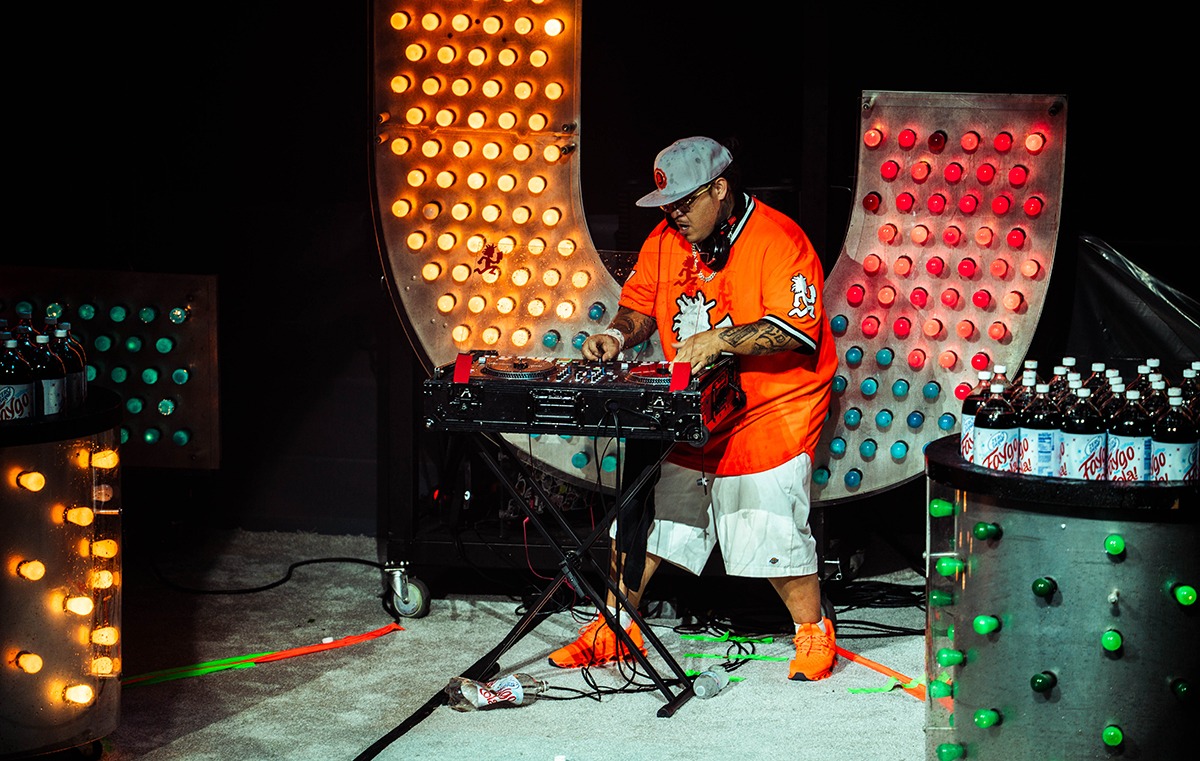
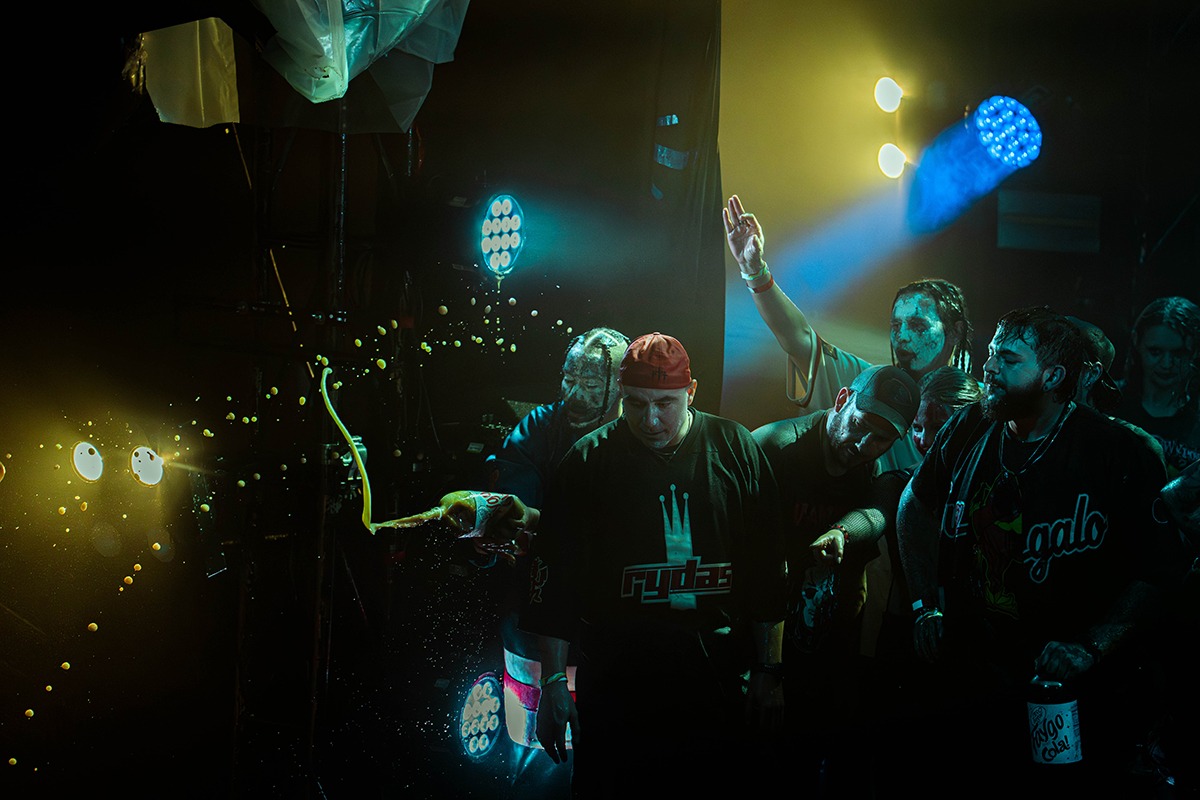
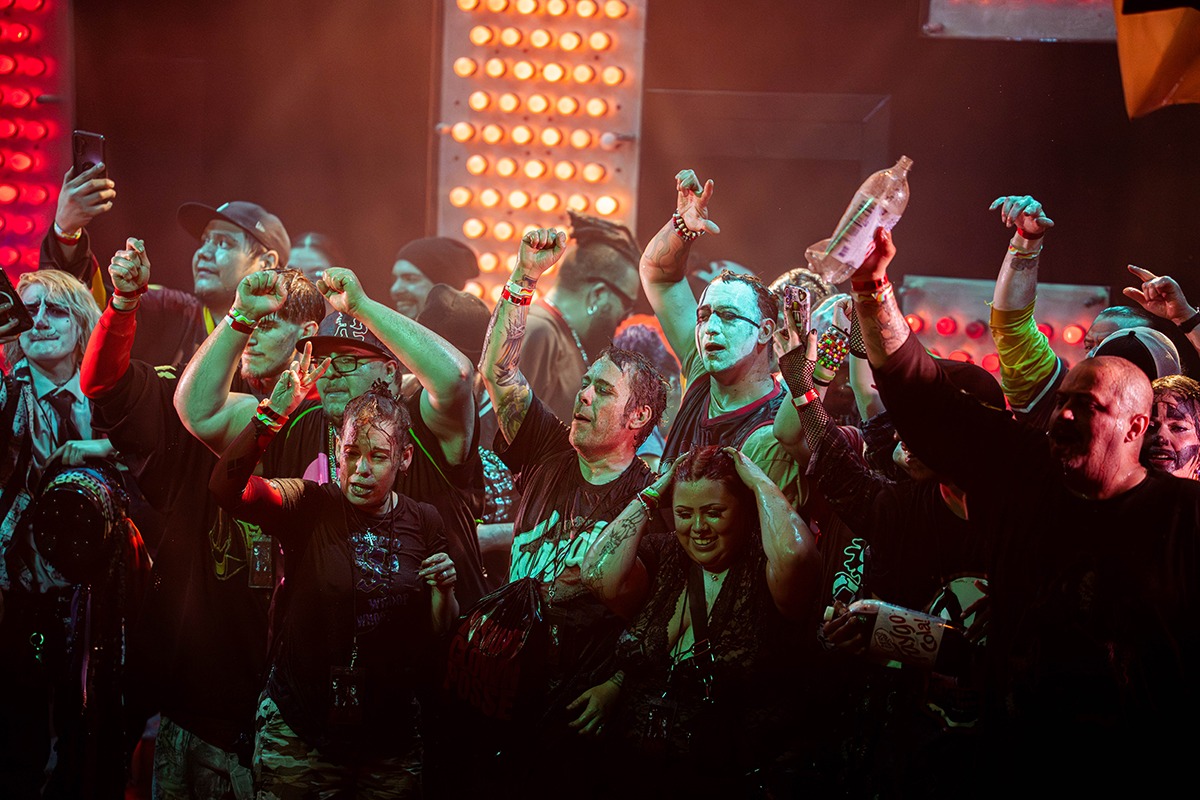



When the house lights finally dropped and the Dark Carnival intro swelled, the floor surged forward as if on instinct. Two middle-aged fans near the back locked arms and started chanting “family” with the teenagers on the rail, and suddenly the room felt less like a club in Denver and more like one small outpost of a much bigger culture.
Chaotic & Overwhelming
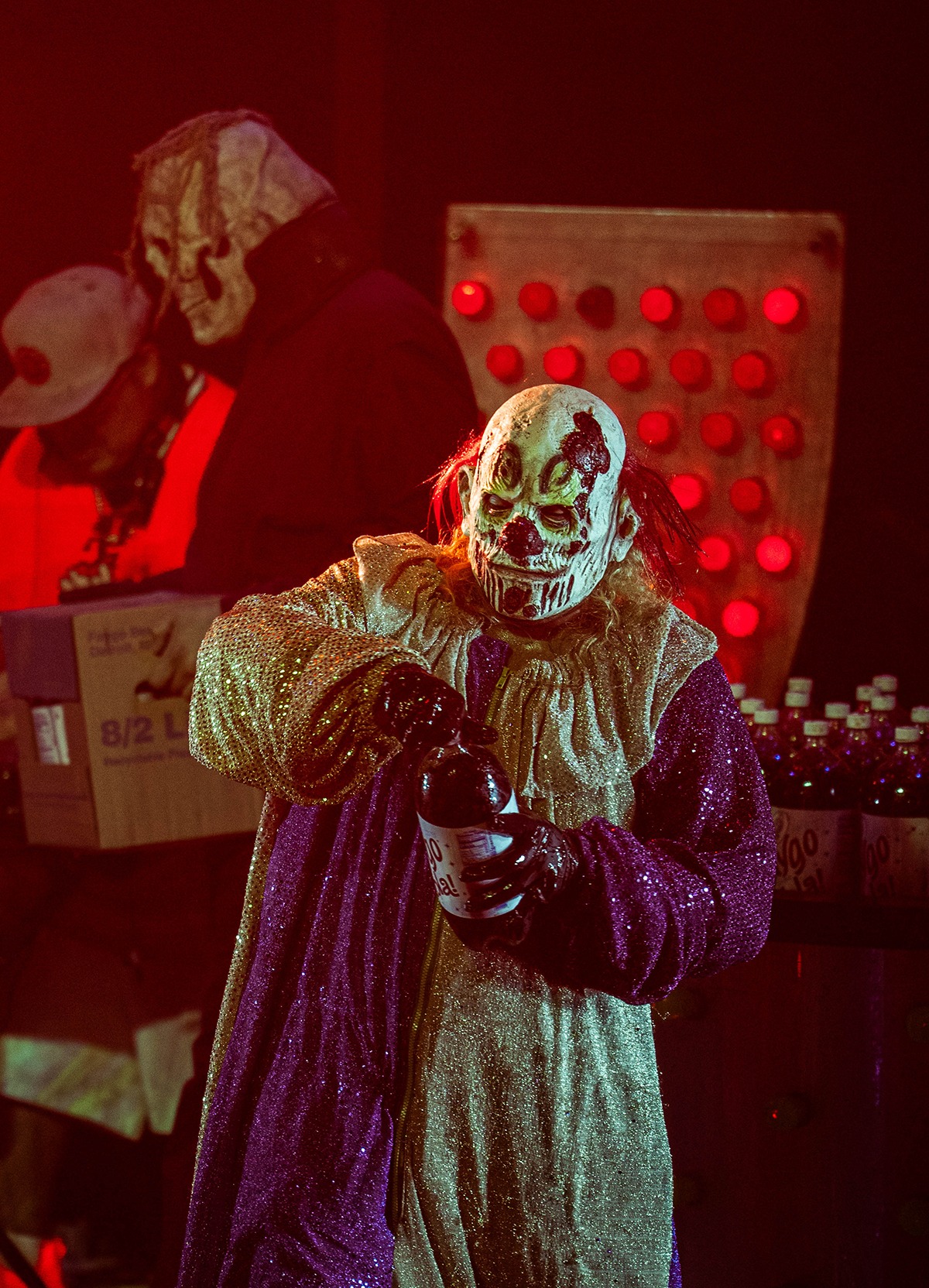
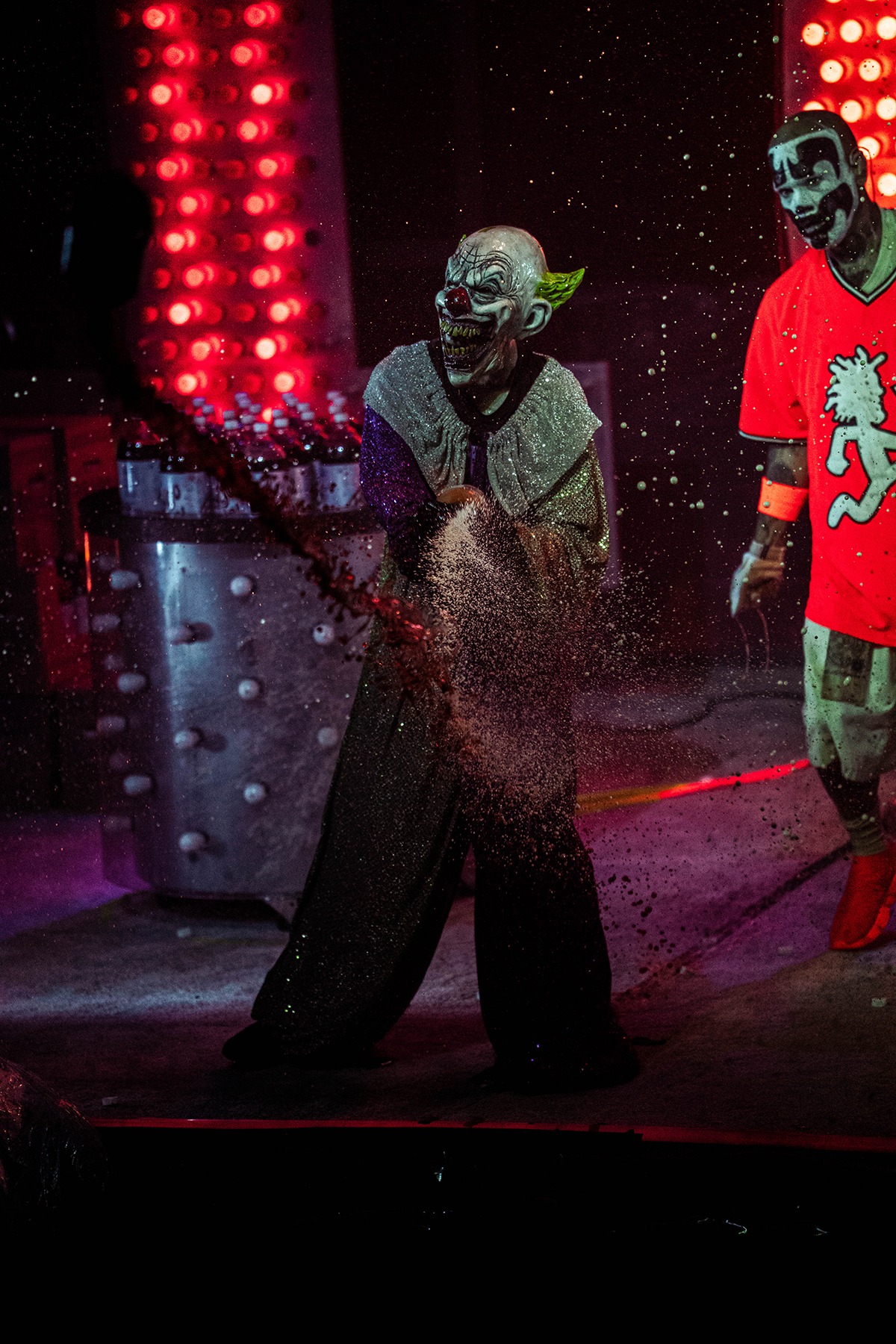
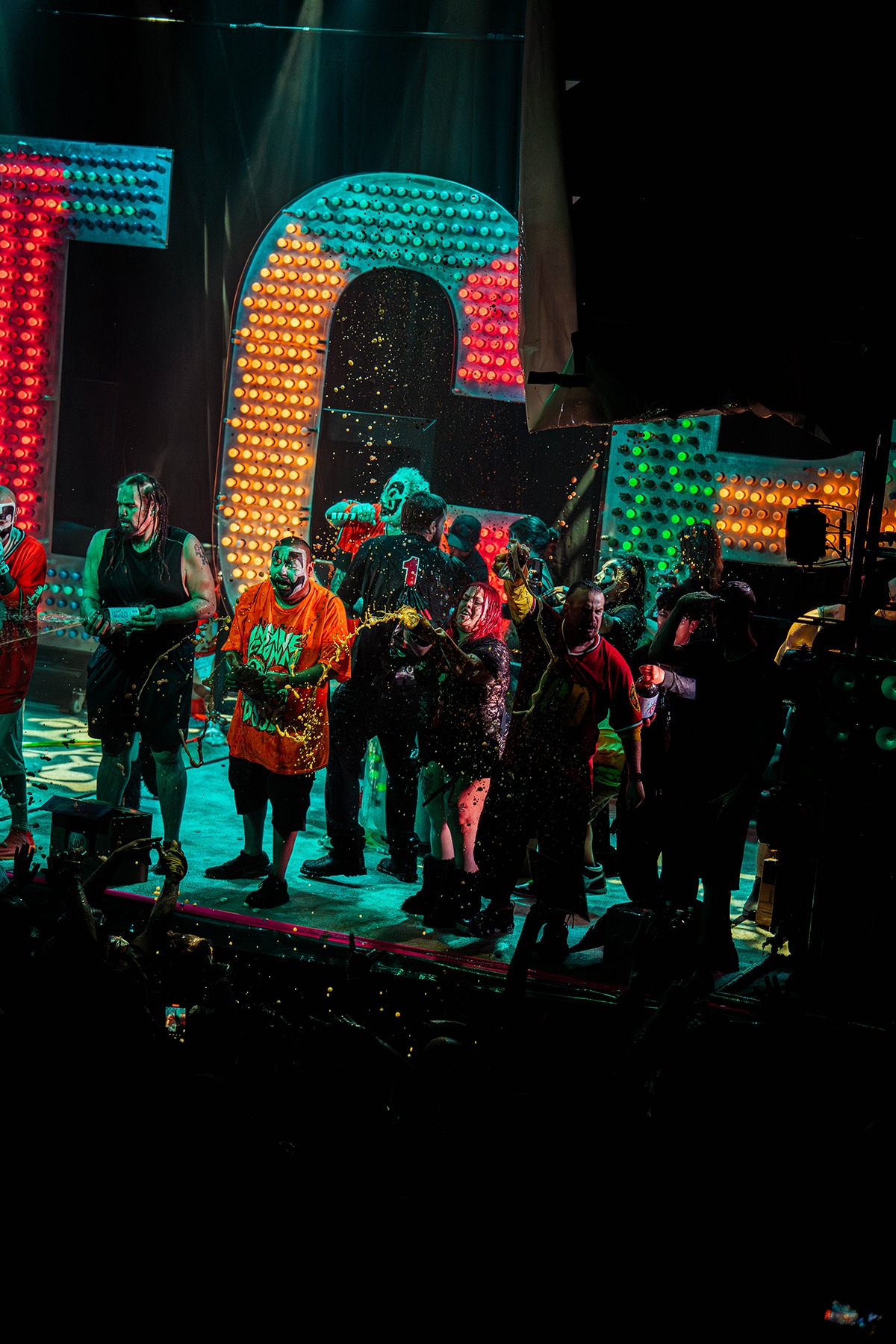
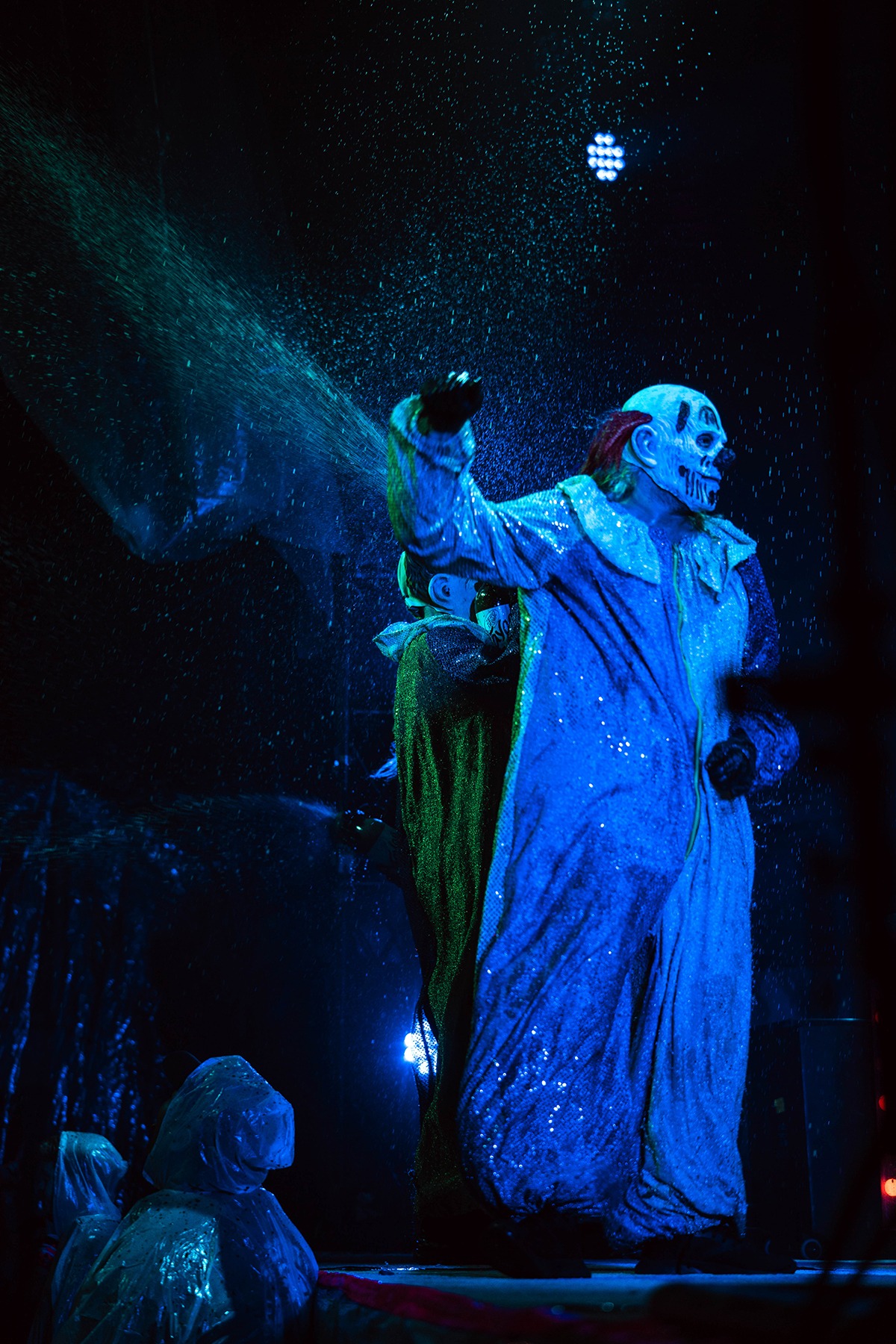
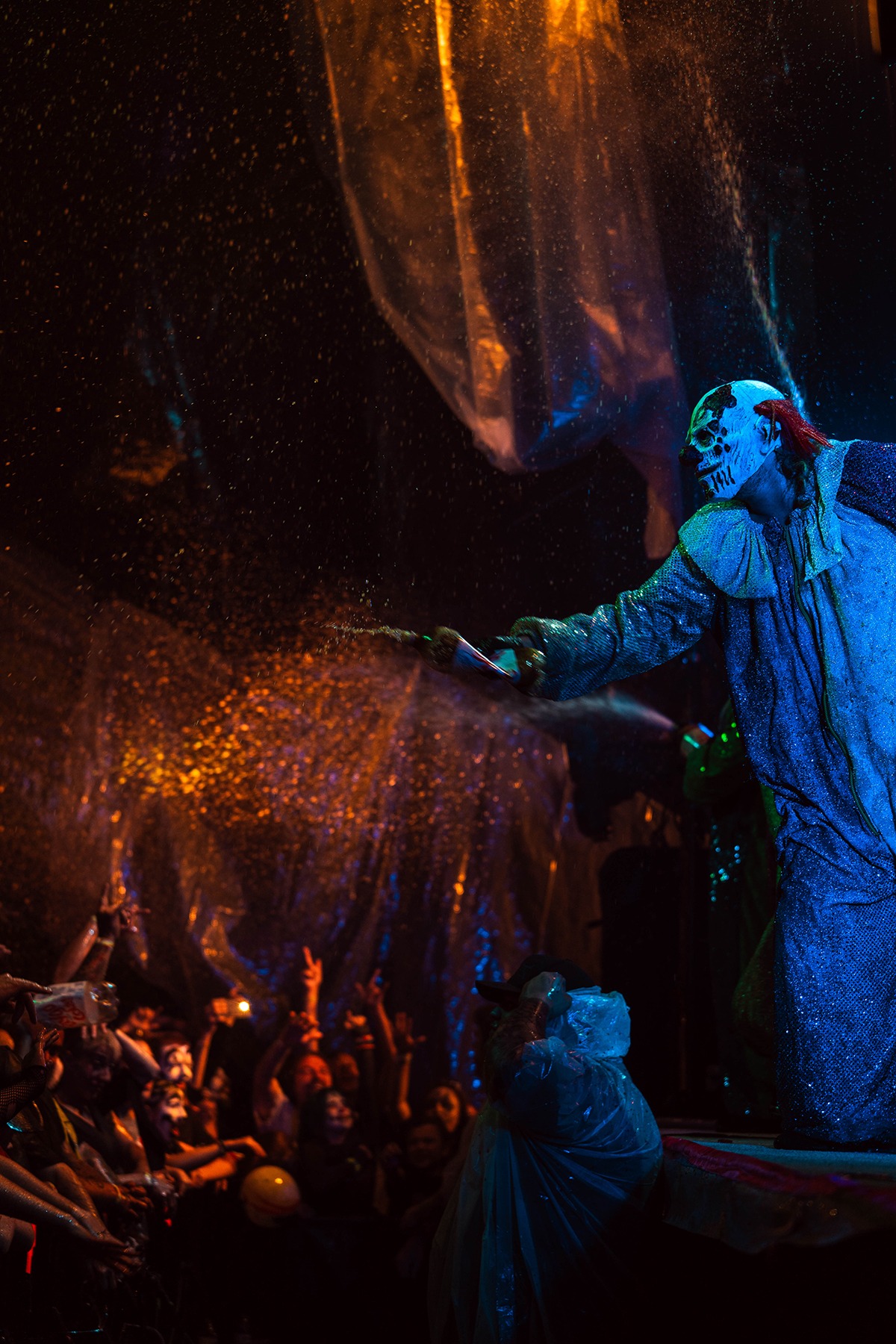
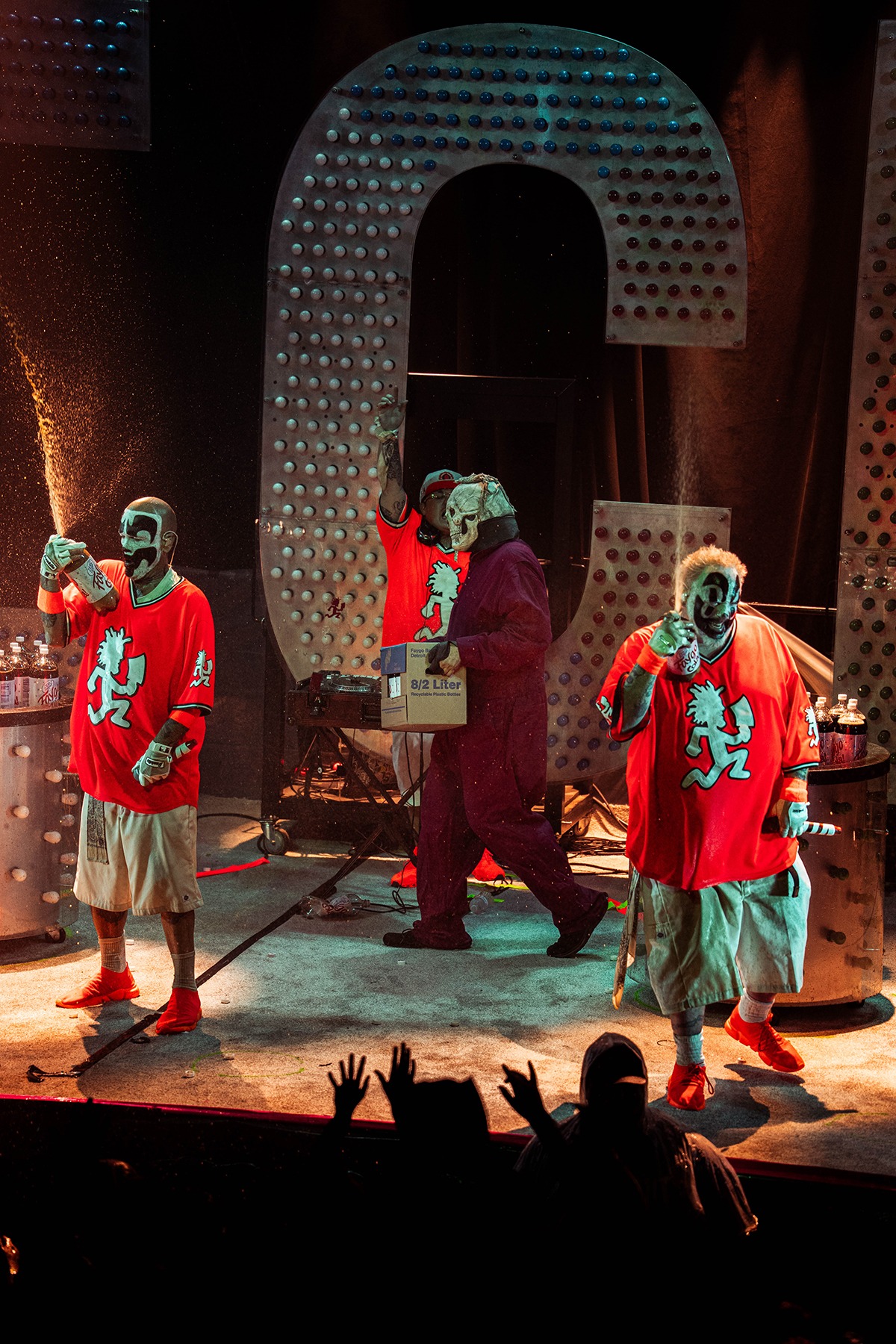
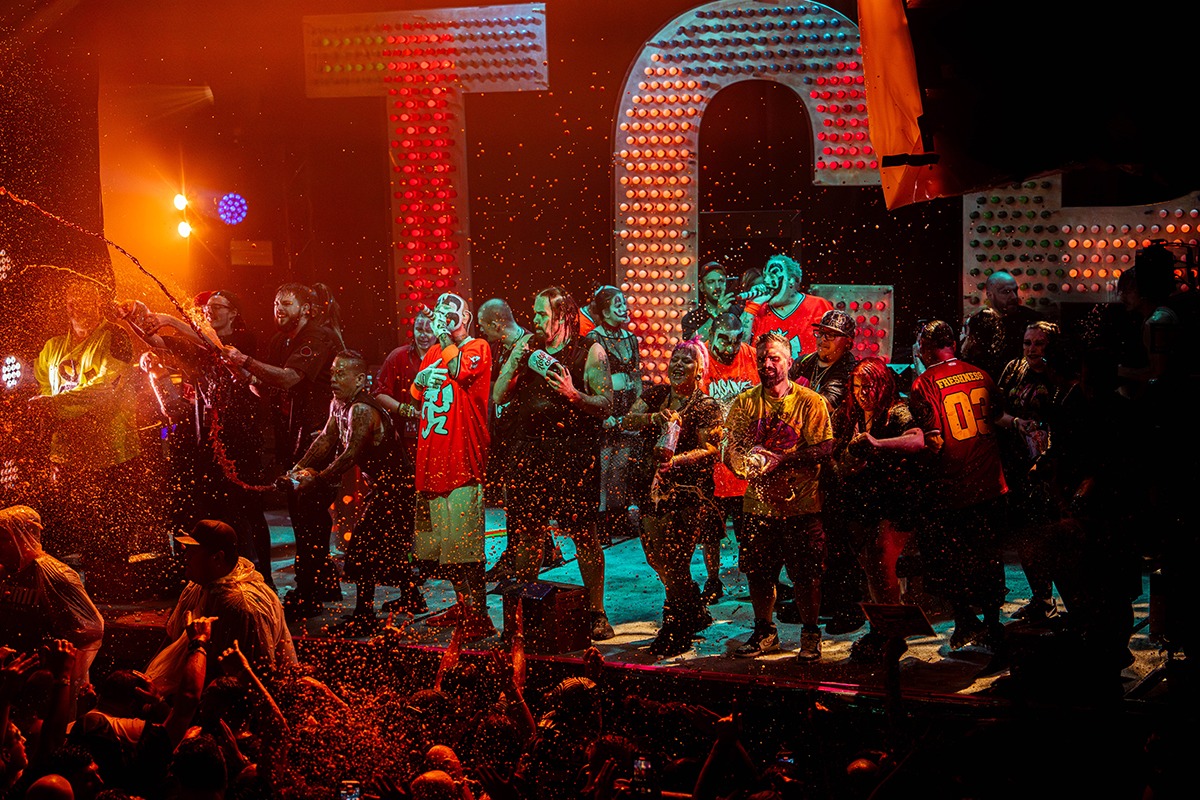
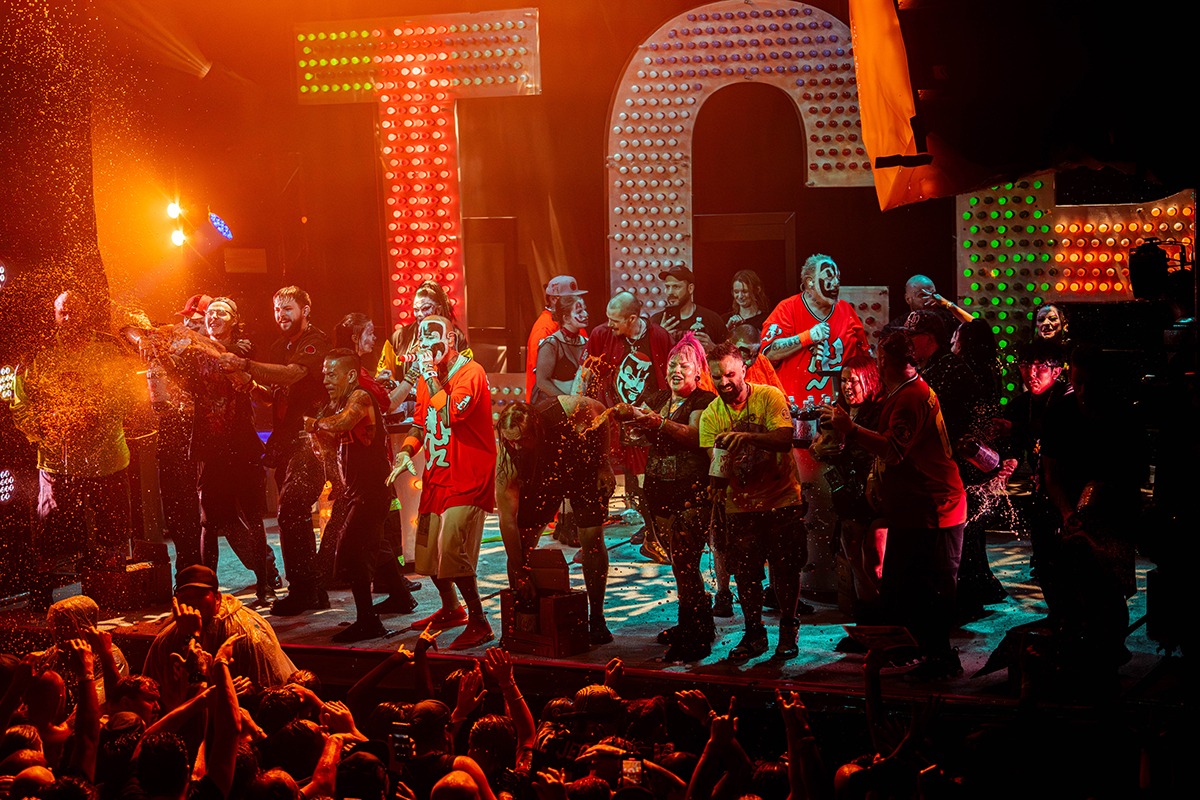
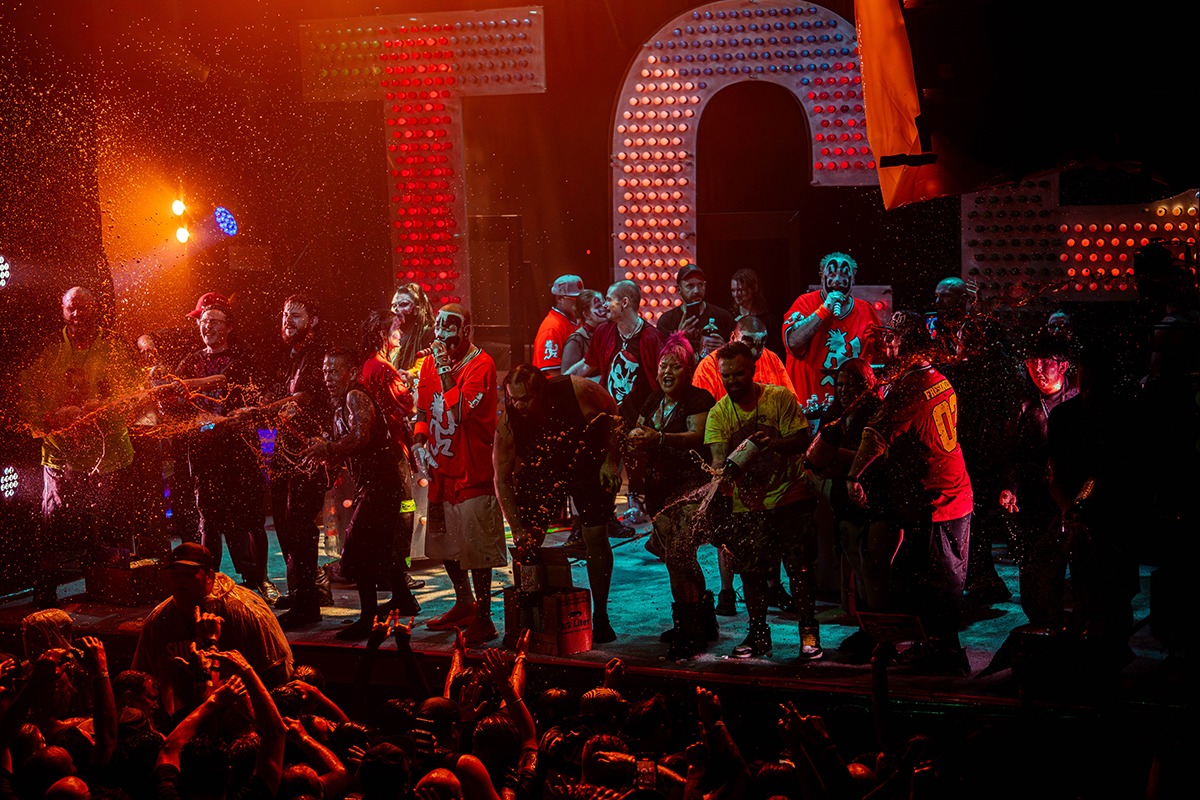
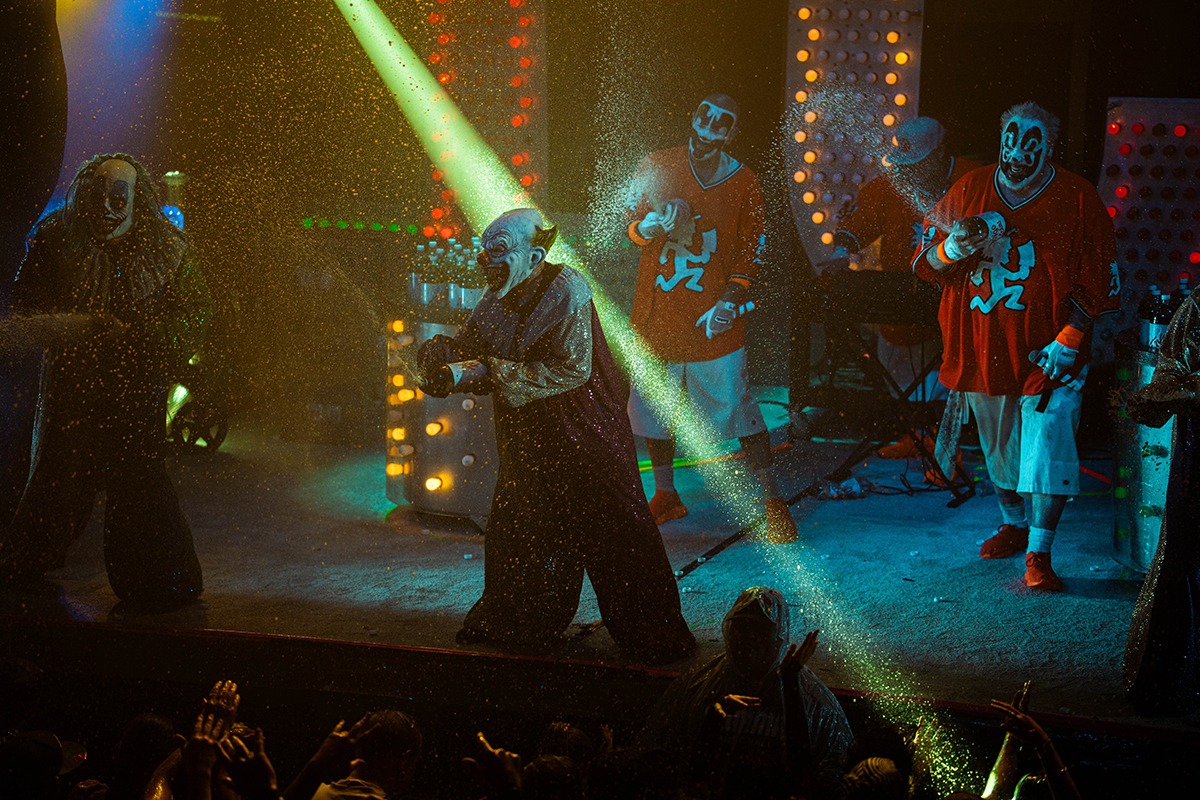
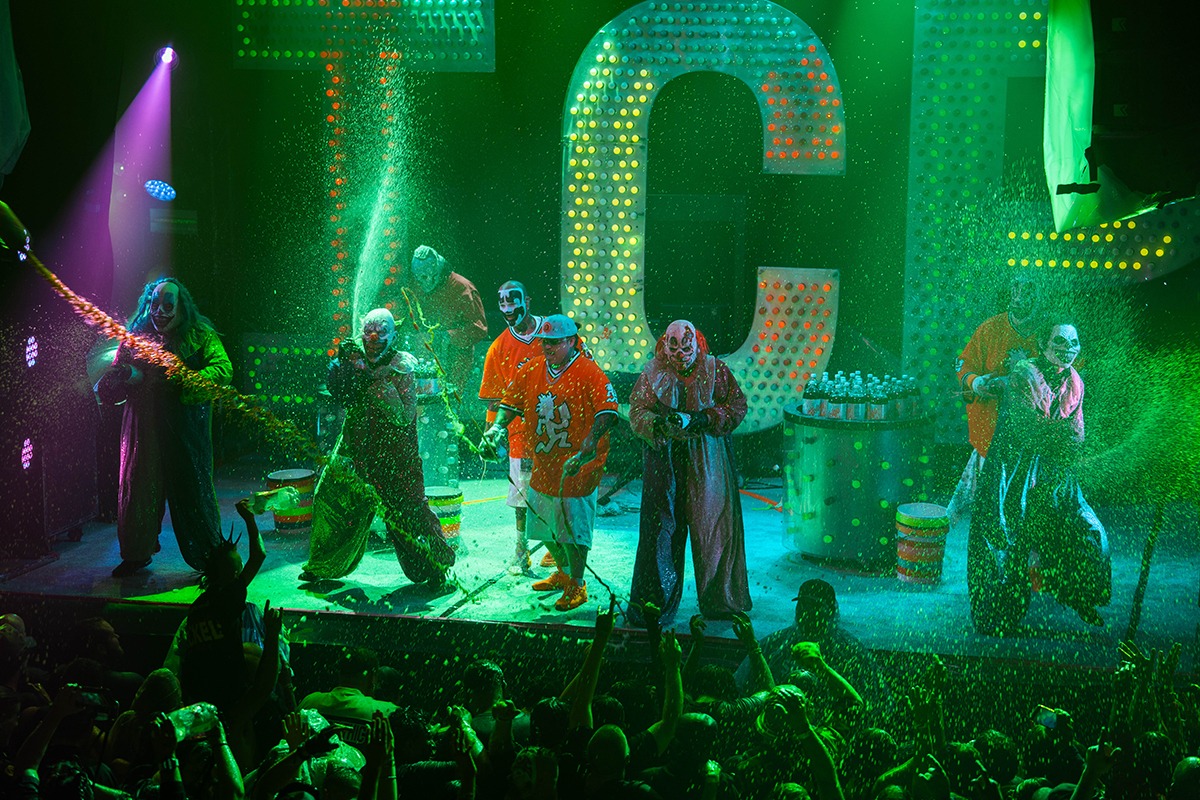
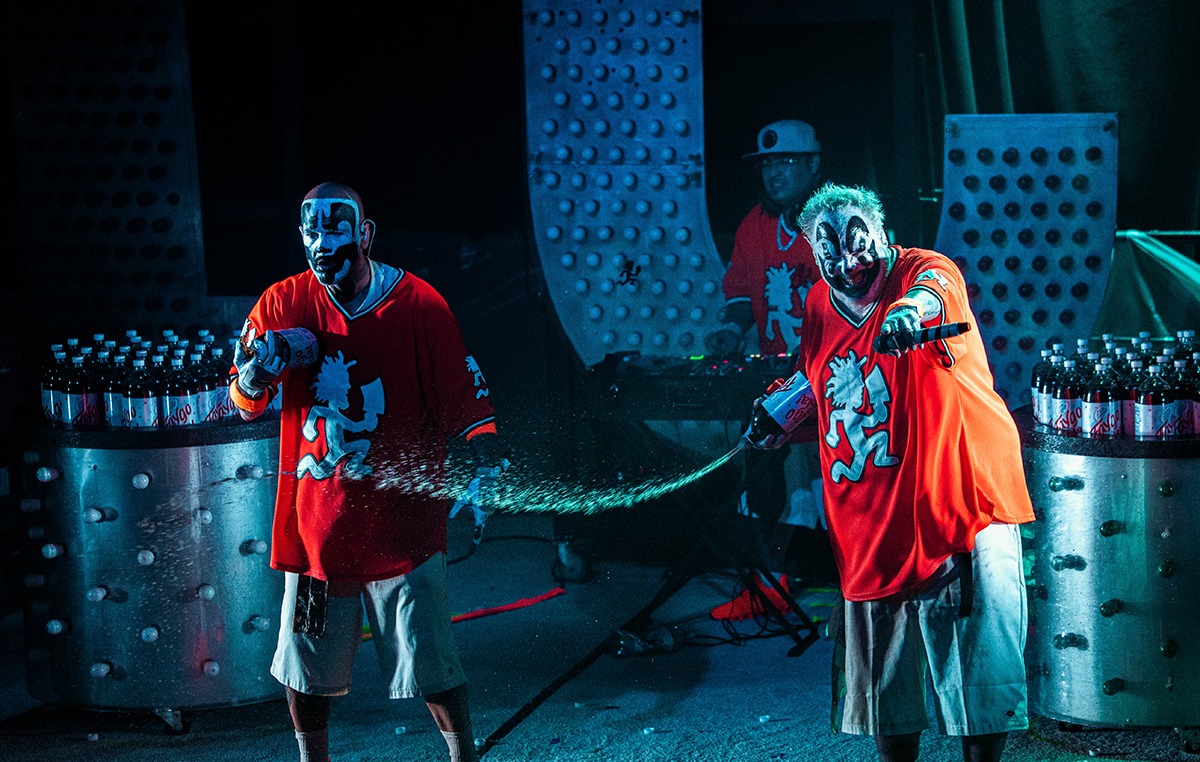
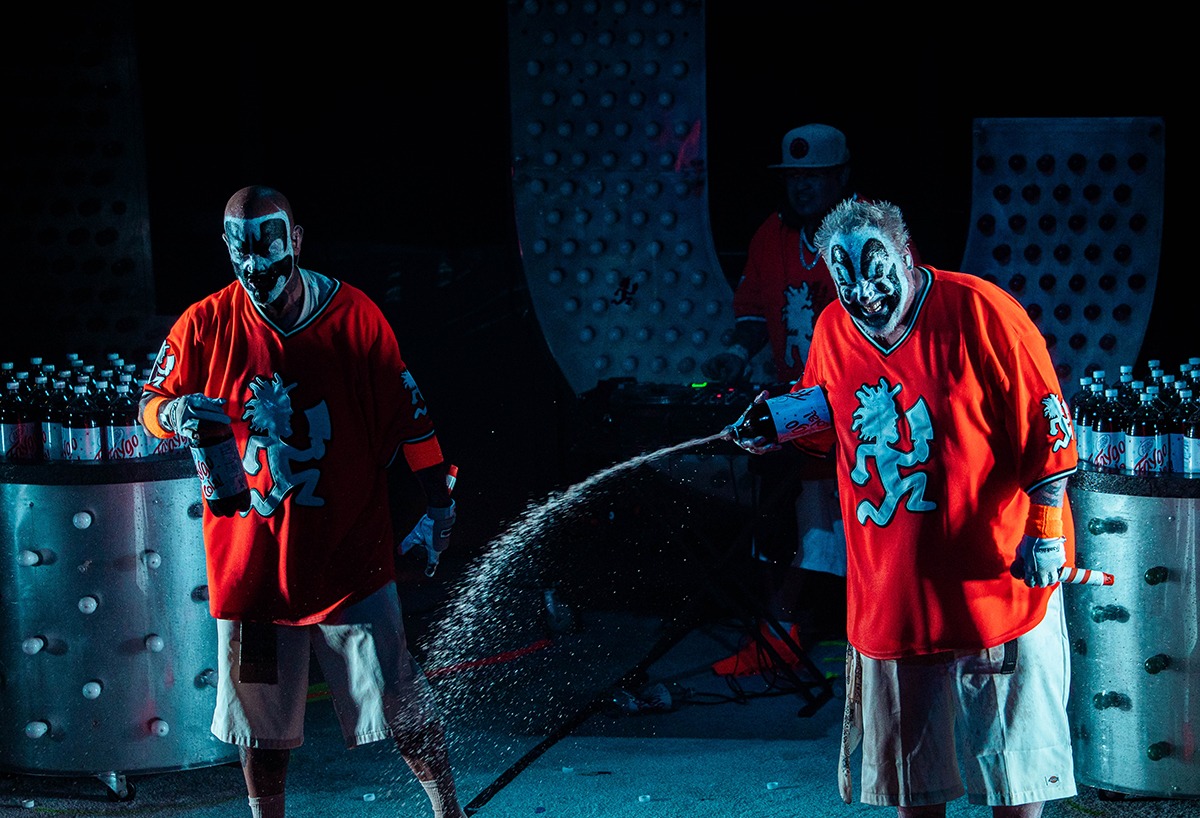
From the first blast of Faygo, the night tilted towards chaos. Security clearly knew what they’d signed up for: plastic sheeting over the barricade, extra towels, and a resigned look that said this wasn’t their first ICP show. Within minutes, the pit turned into a sticky churn of bodies, empty soda bottles, and stray glow sticks.
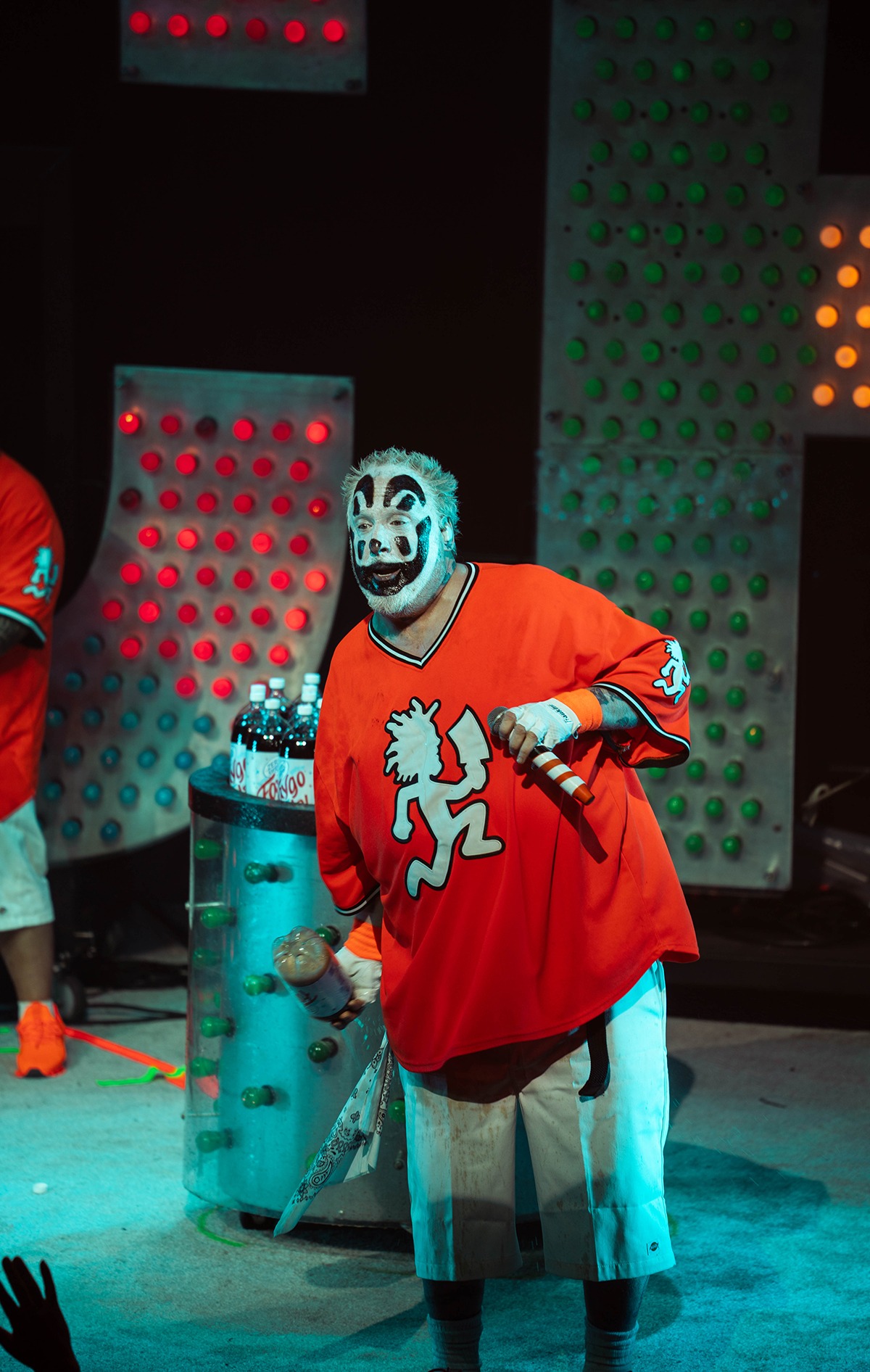
The mix leaned loud and blunt, with thick low-end swallowing a lot of nuance. Verses blurred into shouted cadences, and hooks became something the crowd did more than the group. ICP ran through a clutch of staples pulled from across their catalog—dark carnival stompers like “Hokus Pokus,” “The Neden Game,” and “Down with the Clown” sat beside later-era fan favorites, with the set punctuated by designated “Faygo breaks” where the music almost felt secondary to the soda storm.
If you came in hoping to be converted on technical grounds, this probably wasn’t the night. Transitions were loose, tempos flexed, and a few verses came in more as rasped barks than rhythmic precision. But the energy level never dipped, and the room didn’t seem interested in grading anything on a conservatory rubric anyway.
Silly & Weird
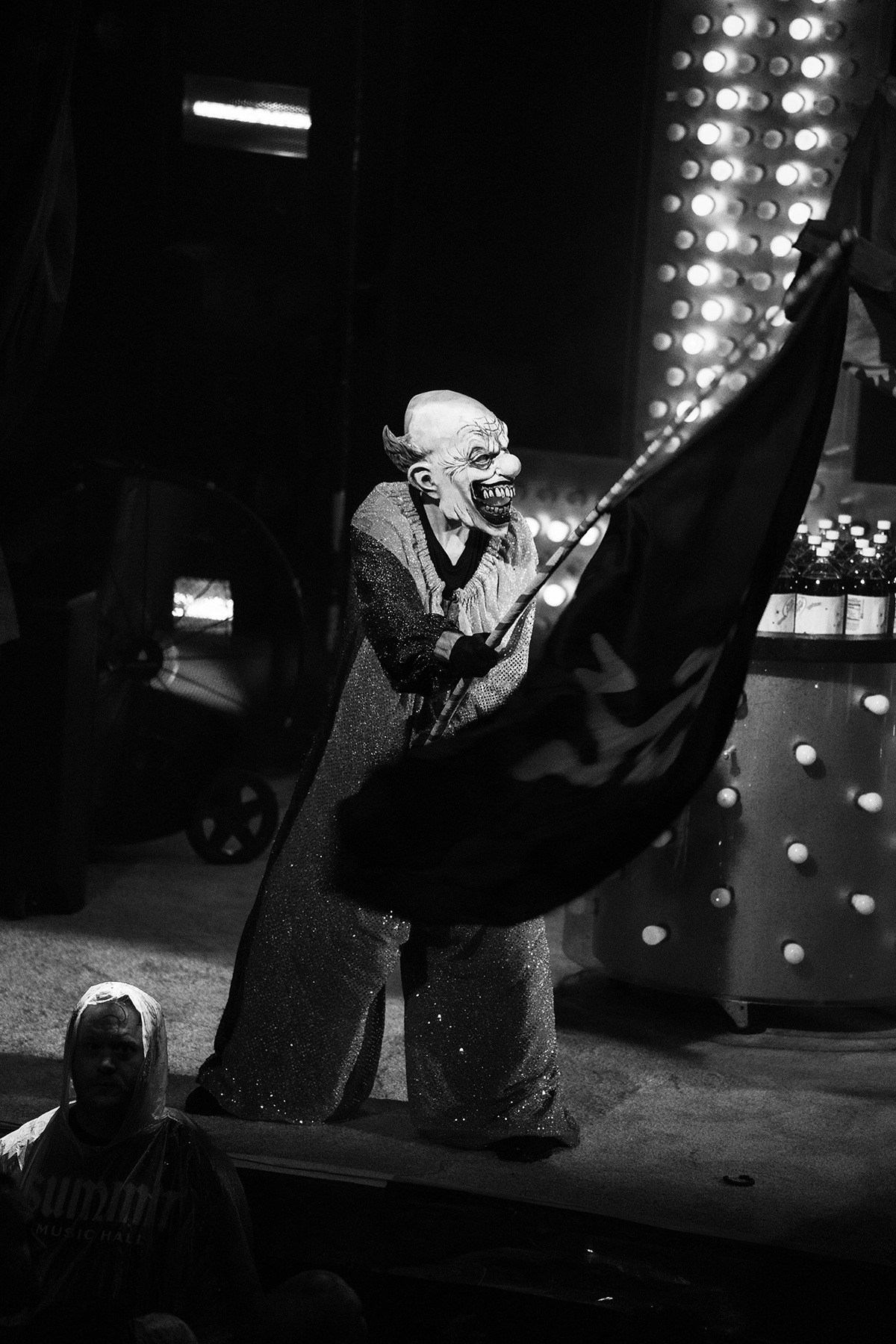
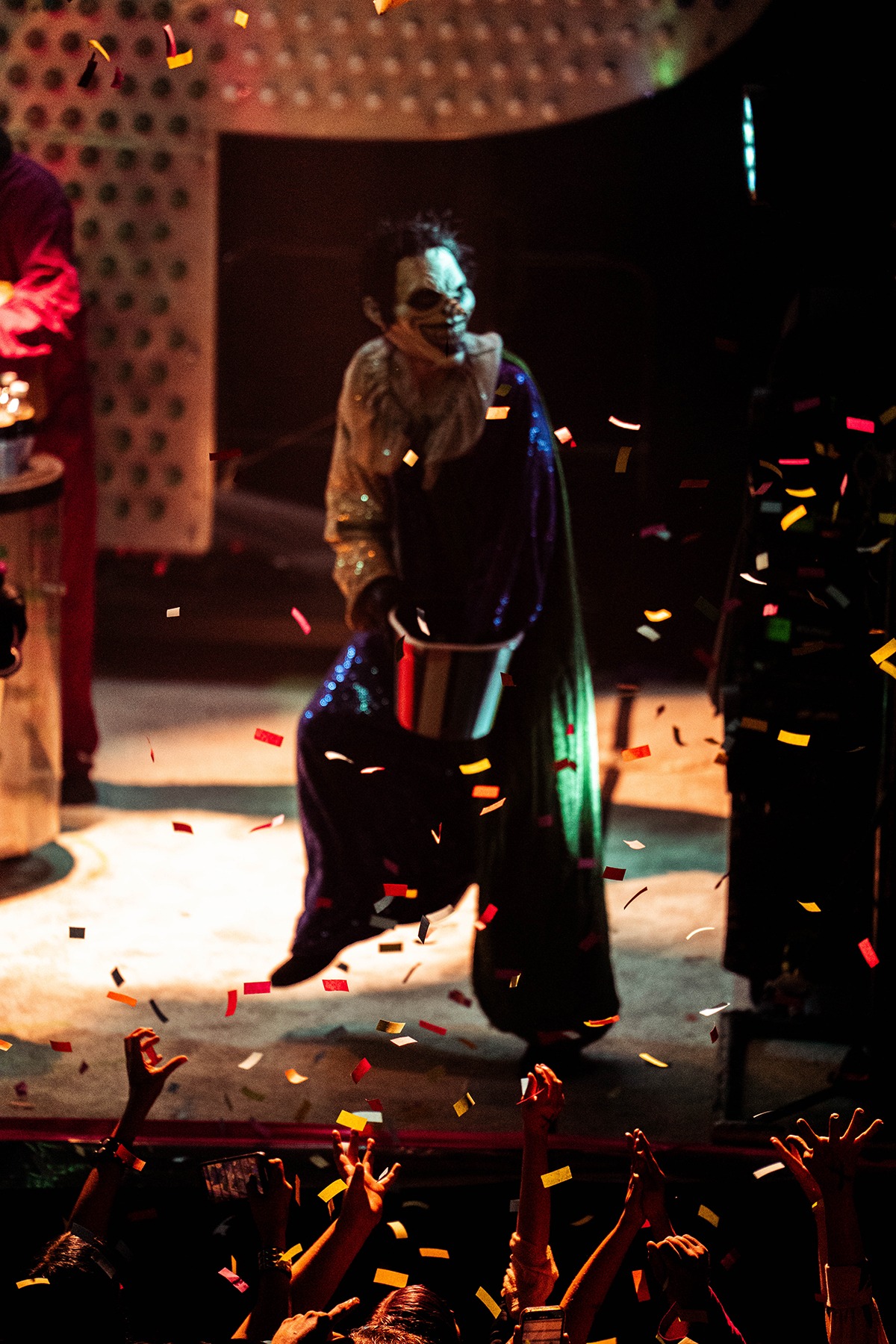
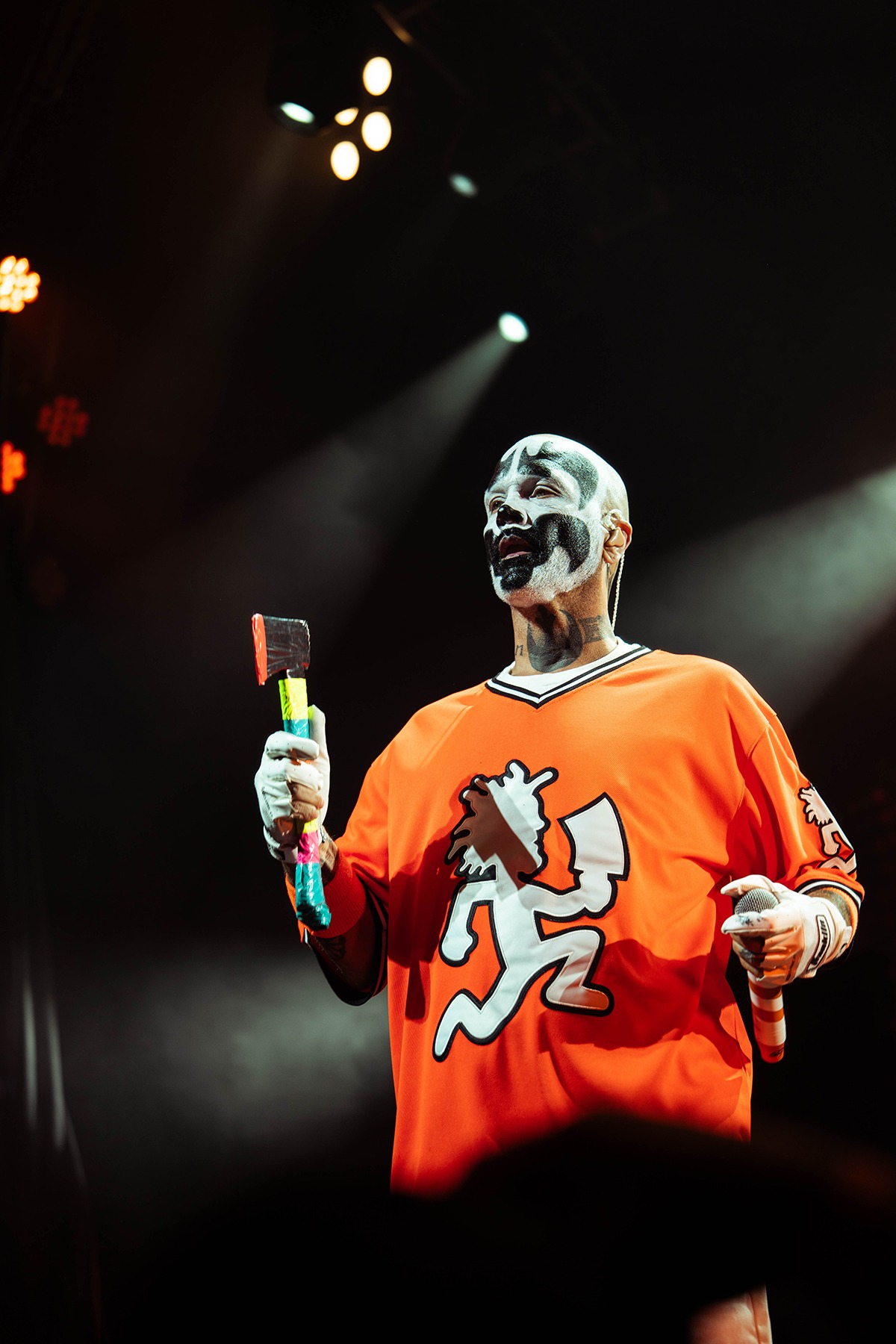
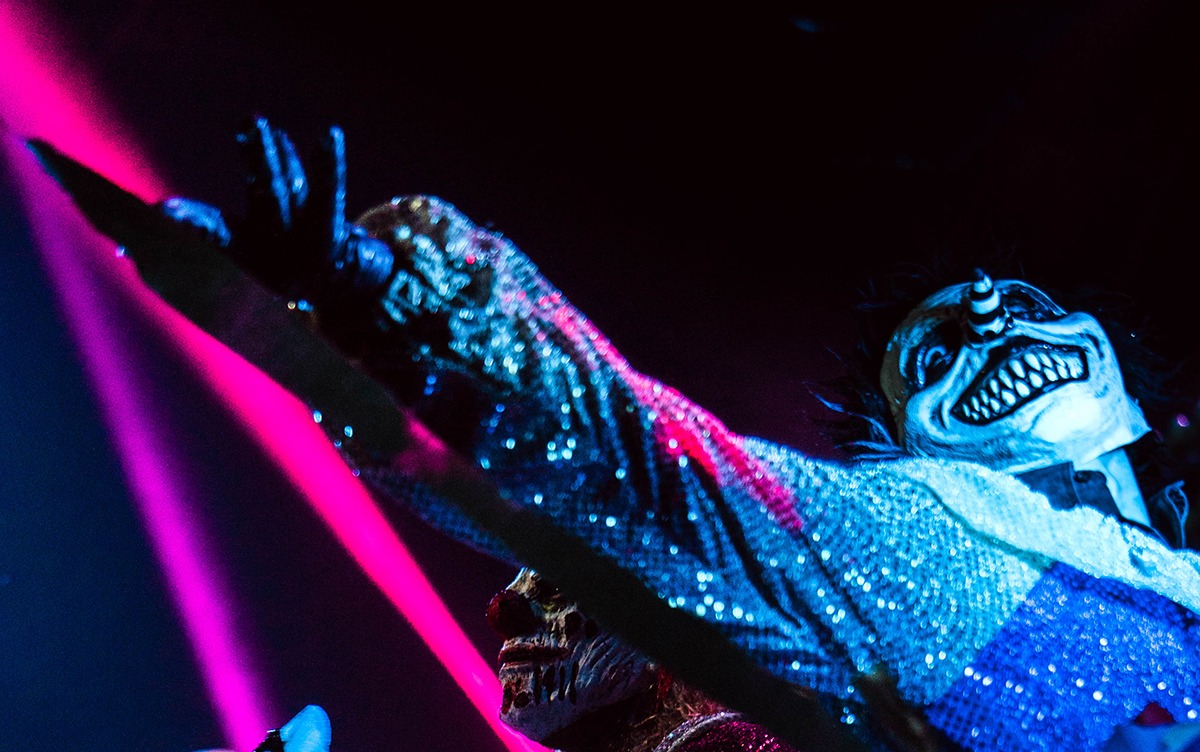
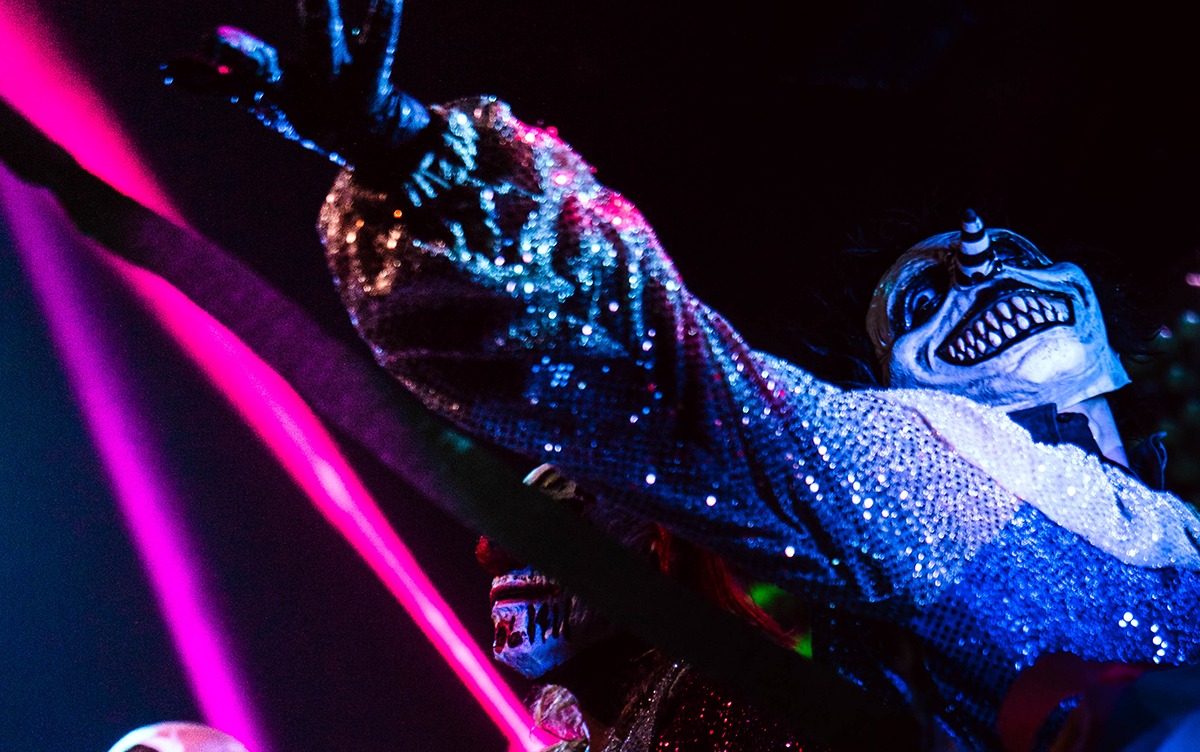
ICP’s entire aesthetic walks a tightrope between horror and slapstick, and the Summit show leaned hard into the latter. The duo’s between-song banter played like a late-night cable sketch, all absurd boasts and self-aware clowning. Masked crew members dashed on and offstage like stagehands at a haunted circus, tossing more Faygo, unfurling banners, and setting up cheap props that somehow made the room erupt every time.
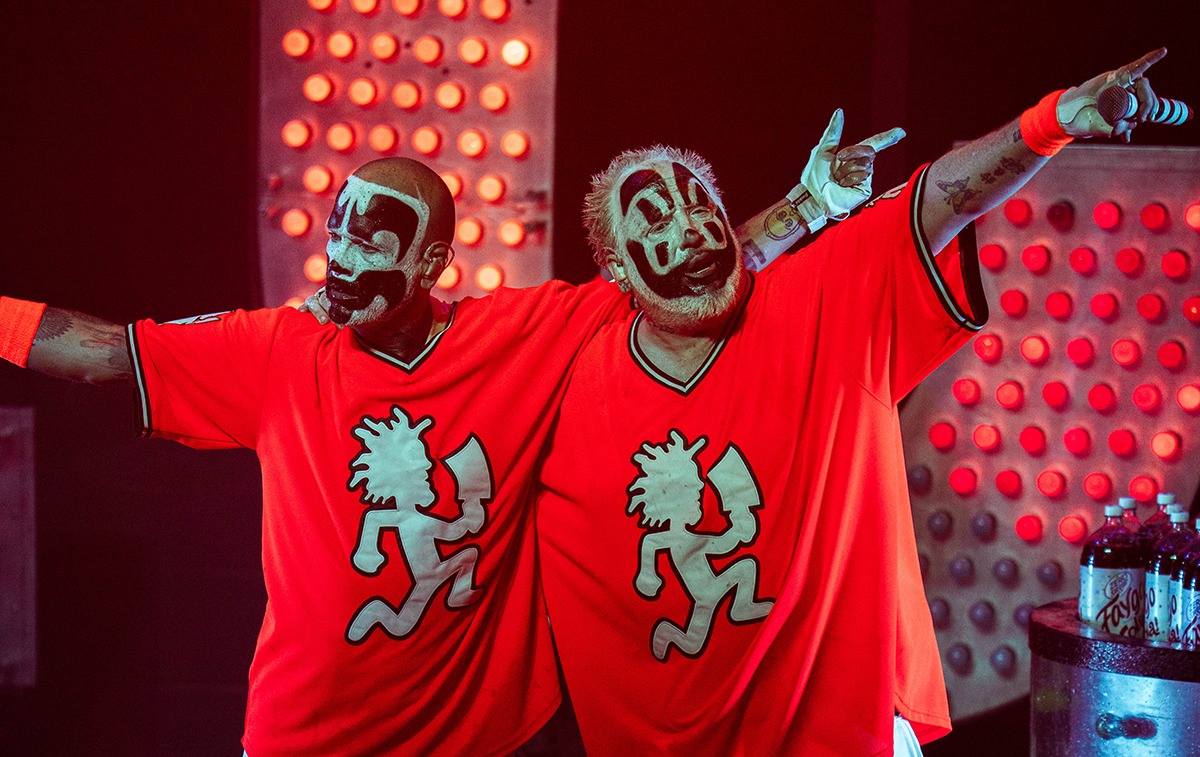
There were wrestling-adjacent bits, pantomimed scraps, and plenty of exaggerated clown poses for the cameras up front. The whole thing felt intentionally low-rent and cartoonish, more midnight movie than blockbuster horror. That silliness is part of why the shows hit so hard for fans: it gives everyone permission to let their guard down and be ridiculous together. Recent coverage of Juggalo culture has pointed out that what looks like chaos from the outside often feels like catharsis on the inside, and Summit fit that pattern exactly.
Tribal & Fantastical
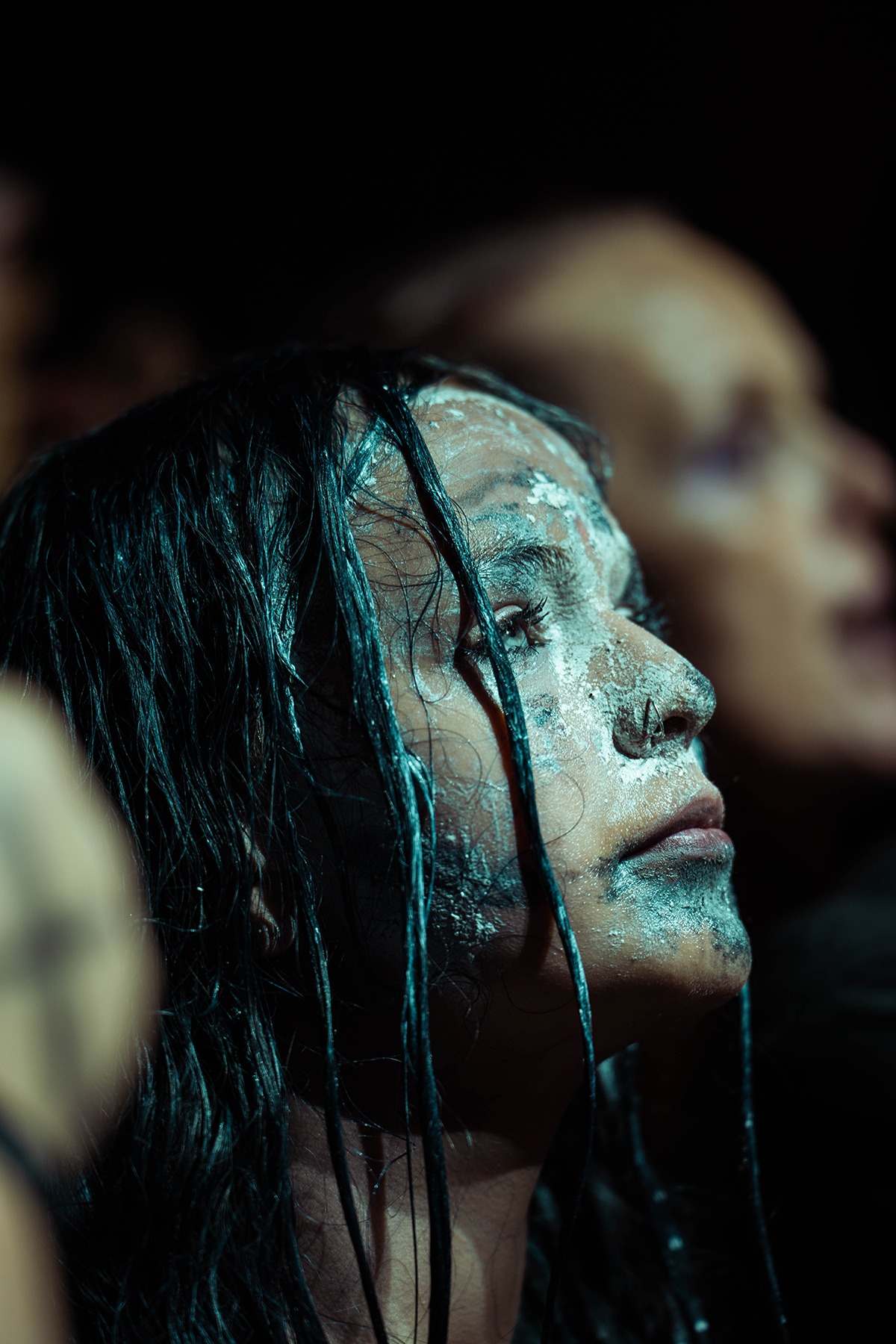
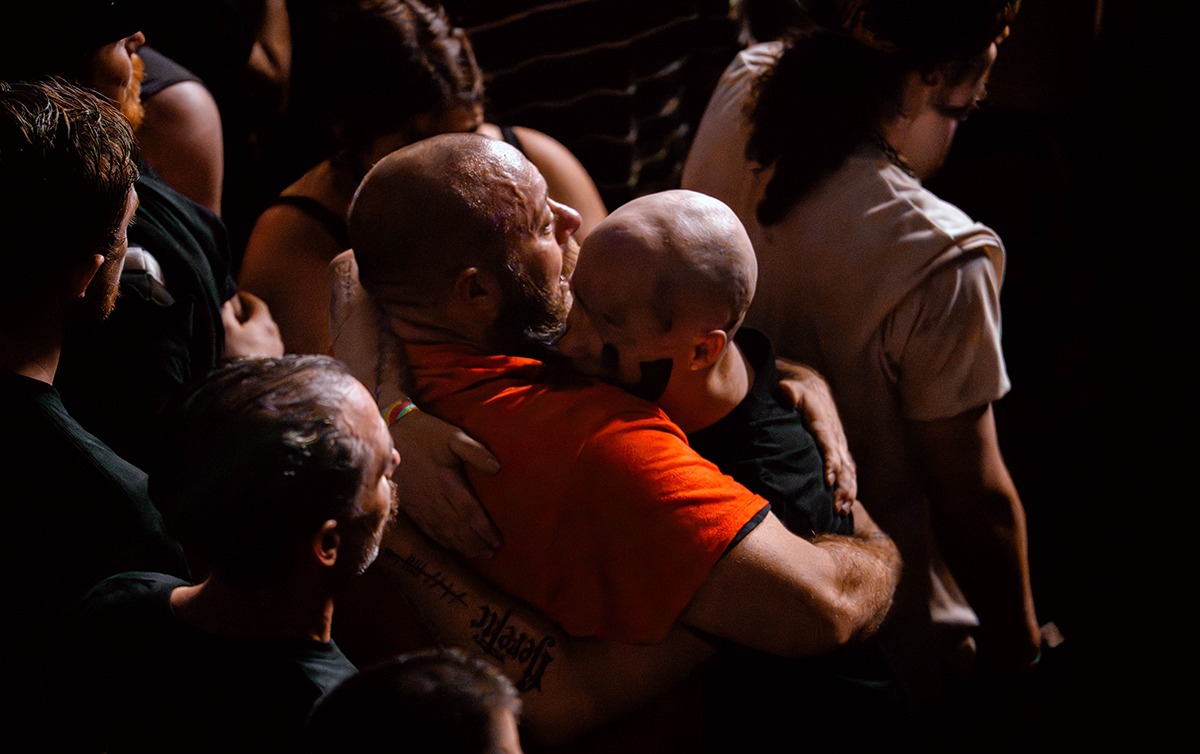
What really separates an ICP show from a standard rap gig is the way the crowd behaves. Summit’s floor moved like a single organism, with chants, hand signs, and call-and-response lines that almost never had to be prompted. Whole sections of the room threw up the Hatchetman logo in unison; strangers pulled each other into photos and hugged during choruses that clearly meant more than just a hook.
The “Dark Carnival” mythology that runs through ICP’s albums—the jokers, judgment, redemption, and afterlife imagery—adds a layer of fantasy that fans seem to carry into the live space. You could see it in the handmade signs, custom jerseys, and full-face paint referencing specific albums and eras stretching back decades. That lore has fueled multi-day festivals like the Gathering of the Juggalos, often described as a kind of “Juggalo Woodstock,” built around concerts, wrestling, and communal rituals as much as music.
Even in a relatively small room like Summit, that same sense of a traveling subculture was obvious. You got the feeling many people in the crowd judge their year not just by holidays and birthdays, but by where and when they caught the Clowns.
Ugly & Devoted
There’s no way around it: some of ICP’s material still leans on violence, misogyny, and cartoonishly grotesque imagery. For listeners encountering it cold, the lyrics can be off-putting or flat-out repellent. The Summit show didn’t soften any of that; if anything, the barked delivery and blown-out sound made the ugliest moments feel even more in-your-face.
But that ugliness exists alongside a consistent message of loyalty to the “scrubs” and “outsiders” who find a home in Juggalo culture, a tension scholars and journalists have been picking apart for years. Watching the Denver crowd, it was hard to ignore how often fans turned to each other—shouting lyrics into a friend’s face, slinging an arm around a stranger’s shoulders, lifting people who slipped in the Faygo slick back to their feet.
You can see similar sentiments pop up in online fan reviews of ICP shows: people talk about feeling seen for the first time in a crowd, about the band “always showing up for the family,” about shows that are messy, ridiculous, and somehow life-affirming anyway. The Summit crowd mirrored that vibe in real time, screaming every word, throwing up “family” chants between songs, and applauding as much for each other as for the band.
Verdict
Insane Clown Posse’s October 26 stop at Summit Music Hall wasn’t a night for casual curiosity seekers hoping to quietly evaluate a legacy act. It was chaotic, silly, overwhelming, tribal, ugly, fantastical, and weird—exactly what the Juggalos on the floor came for.
As a concert, it was uneven: the sound was rough, the flow wobbled, and the duo often leaned on the crowd to carry hooks across the finish line. As a subcultural ritual, though, it felt strangely airtight. For a few sticky, soda-soaked hours, a roomful of outsiders got to be the center of their own universe, and ICP did exactly what their most devoted fans still expect them to do after three decades: show up, make a mess, and remind the family they still belong.